Get your free personalized podcast brief
We scan new podcasts and send you the top 5 insights daily.
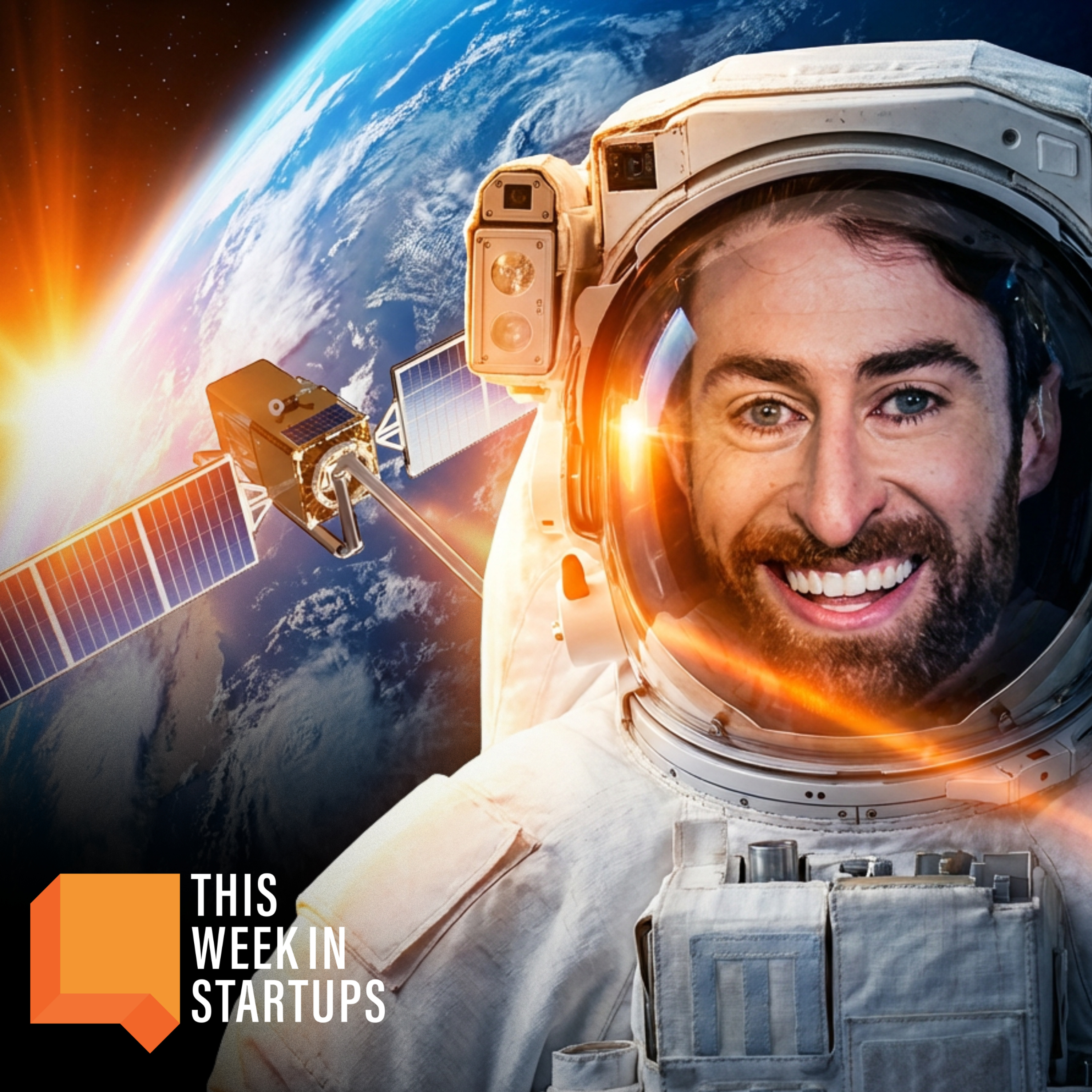
Before HQ Trivia, Scott Rogowsky was repeatedly rejected for jobs on established talk shows. Instead of giving up, he created his own live show, which honed the exact skills that landed him the HQ gig. This demonstrates the power of creating your own platform when gatekeepers deny access.
Related Insights
Despite being the indispensable public face of the viral brand, host Scott Rogowsky was offered a mere quarter-point of equity. This starkly illustrates how tech-focused startups can critically undervalue non-technical, forward-facing talent, creating misalignment and risking the loss of key personnel.
Instead of waiting for speaking invitations, build your brand by creating your own platforms. Guest Goldie Chan established her LinkedIn authority by proactively organizing and hosting the first LinkedIn creator summit at VidCon, which then opened doors to more opportunities.

A 19-year-old built a $3M+/year agency by productizing a task most founders avoid: street interviews for social media. This reveals a massive opportunity in operationalizing the high-rejection, 'unscalable' work that leaders are too embarrassed or busy to do themselves.

Early in her career, Daren Kagan wanted to be a sportscaster on a show that didn't have one. She pitched the news director to let her do it for free on her days off for one month. By creating the role and de-risking the decision for her boss, she built a year and a half of experience that was crucial for her career.

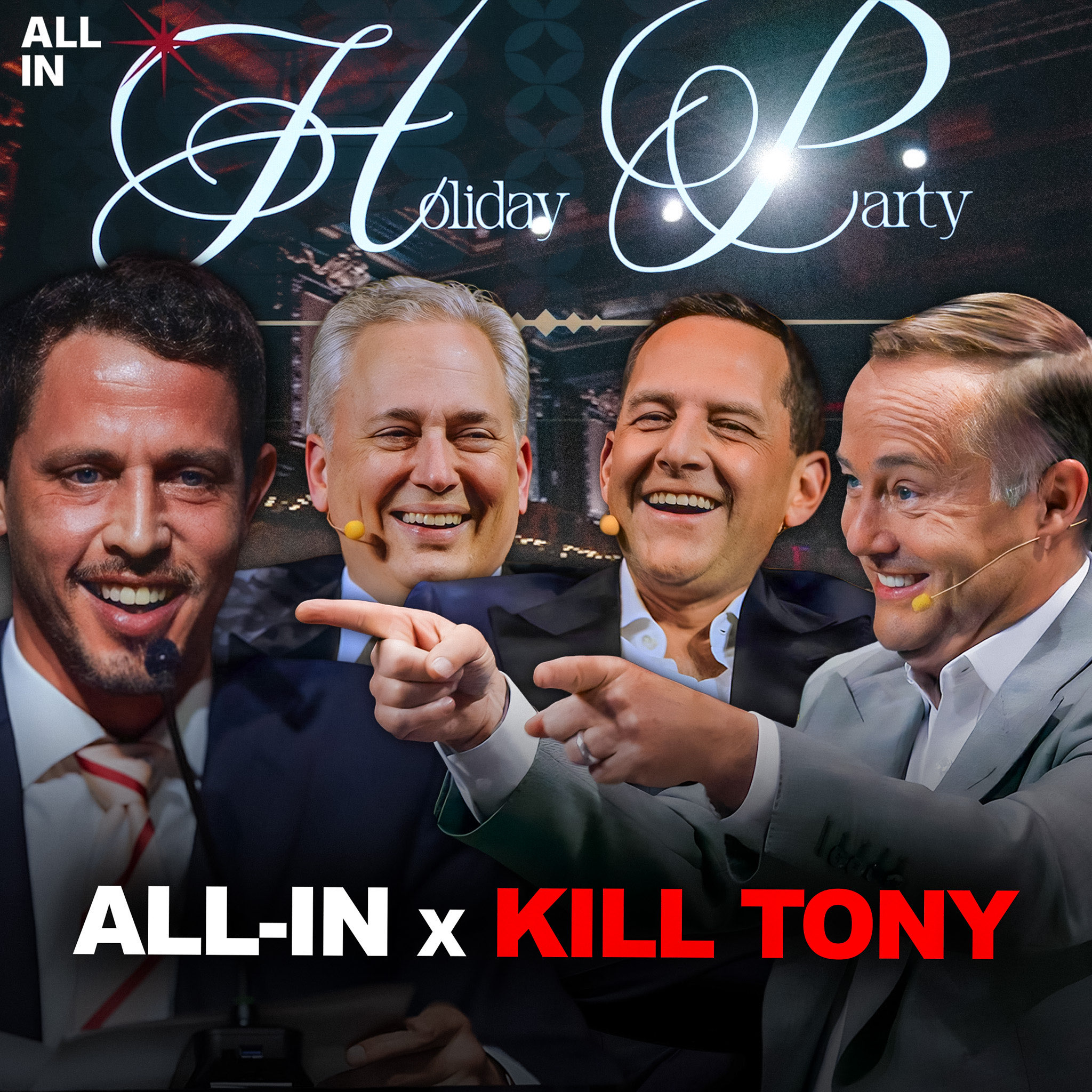
Much like an appearance on Johnny Carson's show once launched a comedian's career, "Kill Tony" now serves as the industry's primary talent discovery engine. Agents and producers watch the live-streamed show to scout undiscovered talent, bypassing traditional gatekeepers.
Roka News's founders built their initial media skills and network by taking over a neglected podcast at their think tank employer. This provided a low-risk environment to experiment and gain access to high-profile guests, which gave them the confidence to launch their own venture.

Vivian Tu's viral creator career was unintentionally born from a toxic Wall Street job. A terrible boss forced her to leave, leading to a new role where friends' questions sparked her multi-million dollar brand. Major setbacks can be the unintentional catalysts for your most defining success.

To get his first book deal, the host ignored the standard advice of finding an agent and instead sent query letters to 100 publishers listed in a directory. This naive, high-volume strategy, while defying industry protocol, resulted in two offers, demonstrating that direct, persistent action can succeed without insider knowledge.
Despite being a top voice in his niche, Eric Coffey was denied speaking slots at industry events, which he found were often pay-to-play. He circumvented these gatekeepers by launching his own conference, creating a platform for himself and other successful minority contractors who were also being excluded.
Social media lets comedians build audiences directly, bypassing traditional gatekeepers. While this empowers many, Punch Up's founder argues it's a "mixed bag." A talented but not social media-savvy comic like Mitch Hedberg might fail today without the industry "shepherds" who once nurtured them.