Get your free personalized podcast brief
We scan new podcasts and send you the top 5 insights daily.
Daniel Mahncke became a host at The Investor's Podcast not by applying, but after co-founder Stig Brodersen discovered his popular investing blog and Twitter account. This highlights how public expertise can create inbound career opportunities, bypassing traditional hiring funnels.

Related Insights
Aspiring social media professionals can bypass traditional career paths. By creating and growing a successful niche fan account ("stan account"), they build a public portfolio that demonstrates their ability to create engaging content and build an audience, attracting recruiters from major brands.

The best way to get noticed by hiring managers is to demonstrate your expertise in a real-world setting, like a webinar or a public project. This acts as a powerful, unsolicited interview, proving your value and legitimacy before a formal process even begins.

The speaker, Philip, caught the attention of Thrive's founder, Josh Kushner, by writing a niche Substack about semiconductors. This demonstrates that deep, public expertise in a specific domain can be a powerful way to network and find unique career opportunities in venture capital.
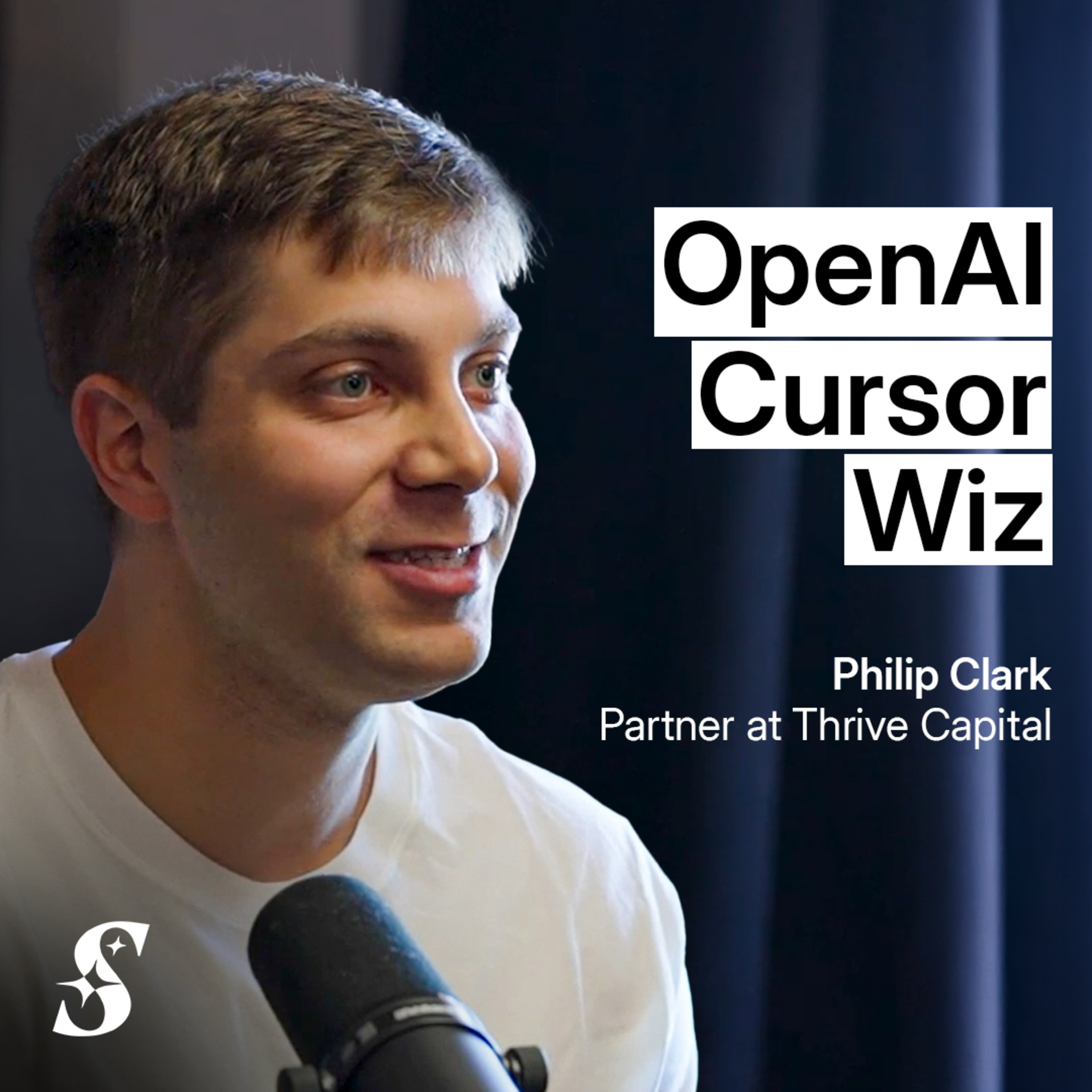
A consistent, high-quality newsletter in a specific niche acts as a living resume and portfolio. This strategy allows you to demonstrate expertise and attract inbound career opportunities from target companies. It's a proactive way to 'work backwards' from a desired role by proving your value publicly before you even apply.

To get hired in a competitive market, stop spamming resumes. Instead, consistently create and publish content on platforms like LinkedIn that showcases your expertise, knowledge, and passion for your craft. This demonstrates value and attracts opportunities, making you a magnet for recruiters rather than just another applicant.

Exceptional individuals often publish their thoughts online. By reading their content, you can assess their thinking, expertise, and confluence of ideas, making a traditional interview redundant. This allows you to move decisively when you find a match, as when the speaker hired his Opendoor cofounder on the spot.
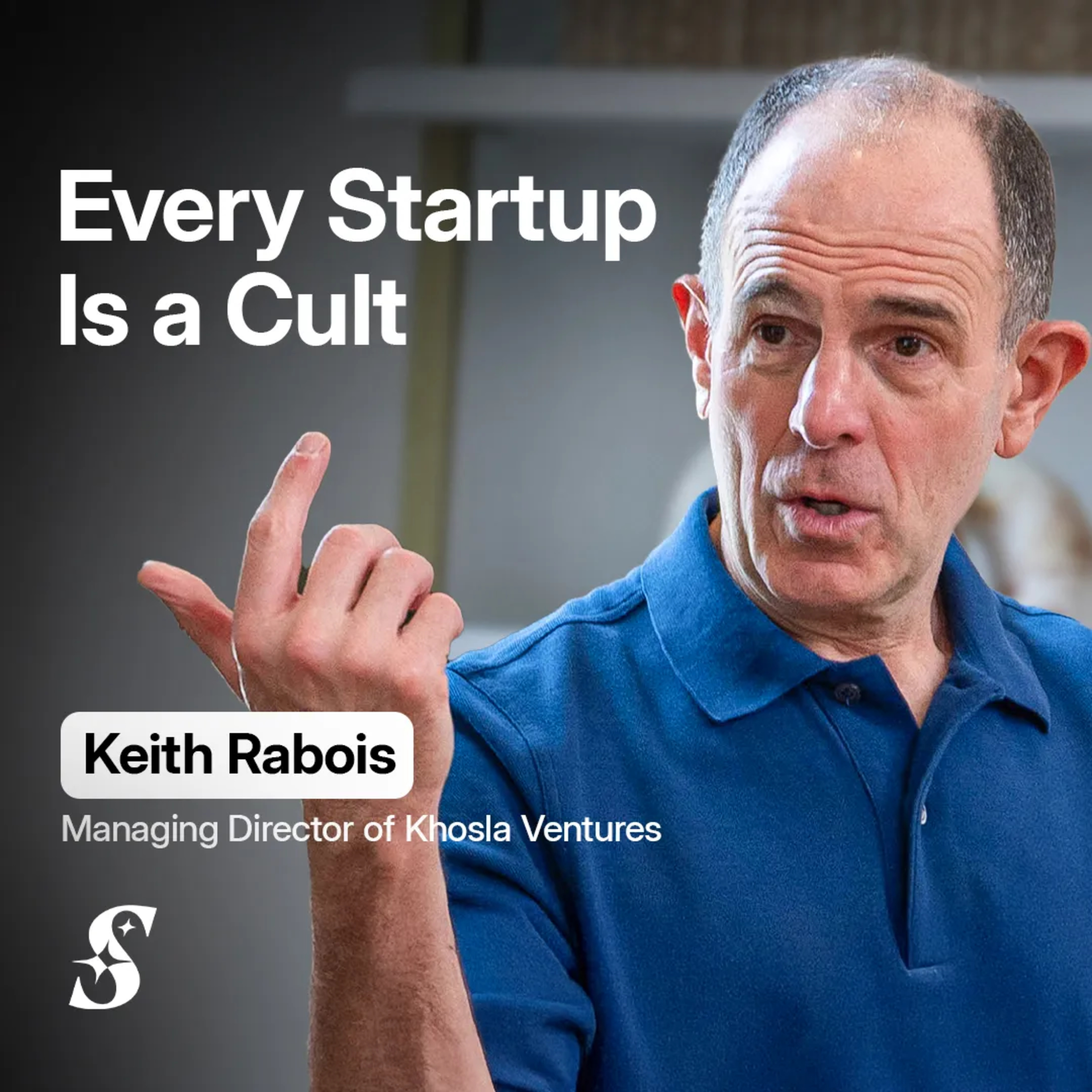
Luck isn't a random event but a skill that can be cultivated. By consistently sharing projects, notes, and learnings online, you create a larger "surface area" for serendipitous opportunities, like job offers from Vercel's CEO or new collaborations, to find you.

When job applications are flooded with AI-generated resumes, they become meaningless. The way to stand out is to bypass the traditional application process by building a public portfolio of your work and expertise through content creation.
The producer's job didn't come from a formal application but a direct message from a former senior colleague from her student magazine. The colleague saw an alumni update post on Instagram and reached out, highlighting the power of maintaining weak ties from early career experiences.
Rejecting conventional headhunters and pedigrees, WCM actively sources talent from unique places. They successfully hired a key team member after discovering his insightful investment commentary on Twitter, where he was posting under a fake name, proving that talent can be found anywhere.
![[REPLAY] Paul Black and Mike Trigg – How to Build a $100B Money Manager (Capital Allocators, EP.227) thumbnail](https://static.libsyn.com/p/assets/f/b/7/6/fb76e1c8bfb69e8dd959afa2a1bf1c87/CA_Square_logo_light_background_6.26.24.jpg)