AI is excellent at showing what's possible and outlining a project's scope, much like revealing a map in a video game. However, it is still the designer's job to do the actual work of building, understanding the complexities, and navigating the terrain themselves.
Luck isn't a random event but a skill that can be cultivated. By consistently sharing projects, notes, and learnings online, you create a larger "surface area" for serendipitous opportunities, like job offers from Vercel's CEO or new collaborations, to find you.
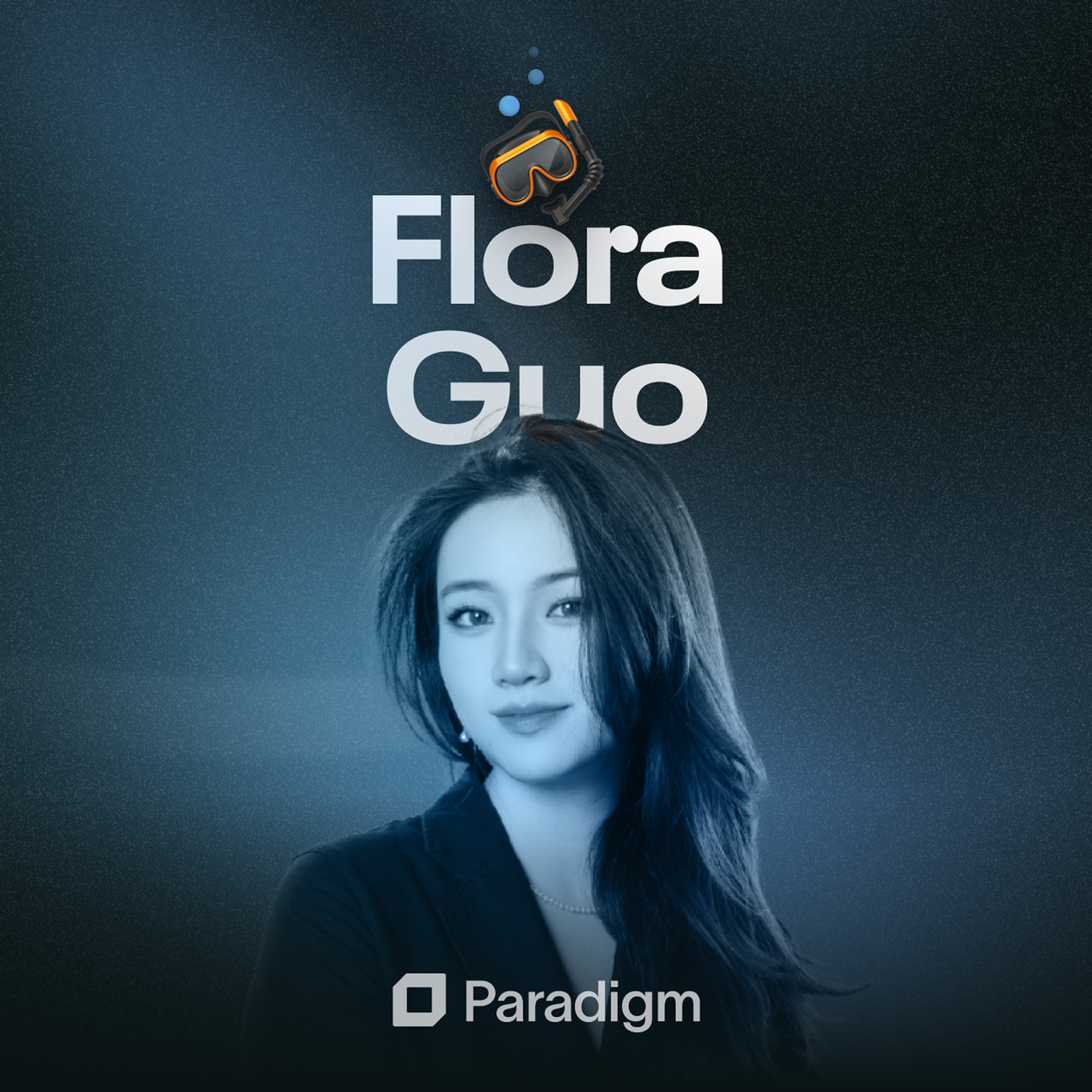
Flora Guo initiated contact with Vercel's CEO not to ask for a job, but simply to thank him for a tool she enjoyed. This small, proactive gesture of gratitude made a memorable impression that paid off when he later saw her work and reached out with an internship offer.
Approach online networking with the mindset of a host, as designer Charles Eames suggested. Instead of asking what you can get from others, focus on what you can offer. Create artifacts, share knowledge, or host events to naturally attract community and opportunities.
Instead of only using AI to generate final assets, use it as a learning tool to build deep understanding. Ask it to break down complex concepts and explain how things work. This scaffolds your learning and equips you with the foundational knowledge needed to debug real-world problems.
Instead of building generic projects for a portfolio, reframe them as "digital gifts" for friends. This approach infuses the work with personal meaning, making the learning process more enjoyable while strengthening relationships. Flora used this method to build a 3D artifact for a friend.
When designing ambiguous systems, resist creating visual mockups immediately. First, establish alignment on the fundamental concepts or "primitives." At Paradigm, this meant defining the core objects of a 'workflow' to ensure the team shared a mental model before exploring any UI.
When tackling a new technical skill, don't try to learn everything at once. Focus on acquiring the "minimum viable amount of learning" needed for the immediate next step to maintain momentum. You can then "backfill" deeper, systemic knowledge later as you encounter problems you can't solve.
Highly creative individuals are often driven by the intrinsic joy of the creative process, not just the final outcome. Constantly experimenting with side projects and personal websites, as designer Rano does, keeps skills sharp and serves as a sustainable source of inspiration and learning.