Get your free personalized podcast brief
We scan new podcasts and send you the top 5 insights daily.
The Iranian regime exploited Europe's desire for diplomatic rapprochement in the 1990s. It engaged in peace talks while simultaneously carrying out assassinations on European soil, viewing the dialogue not as a path to peace but as political cover that provided impunity for its crimes.

Related Insights
If the U.S. bombing campaign had successfully eliminated Iran's nuclear program, there would be no reason to negotiate. The fact that talks occurred immediately after the strikes was a clear, albeit subtle, indicator that the core objective—securing the nuclear material—had not been met.

In the 1990s, as Iran's assassinations occurred across Europe, German and other European officials actively hid or excused Tehran's actions. This willful blindness was driven by economic interests, as Europe's exports to Iran reached a historic peak, making the prosecutor's inconvenient findings 'unwelcome.'
The last book review Christopher Hitchens wrote before his death was for Roya Hakakian's "Assassins of the Turquoise Palace." This poignant fact highlights the book's significance, as Hitchens' writing was 'visionary' for its early and accurate identification of the Iranian regime's murderous nature.
The bombing campaign, aimed at regime change, could be counterproductive. Prior to the conflict, Iran's regime was seen as unpopular and frail, potentially heading for collapse or moderation. The external attack risks creating a rally-round-the-flag effect, allowing the regime to consolidate power where mere survival becomes a victory.
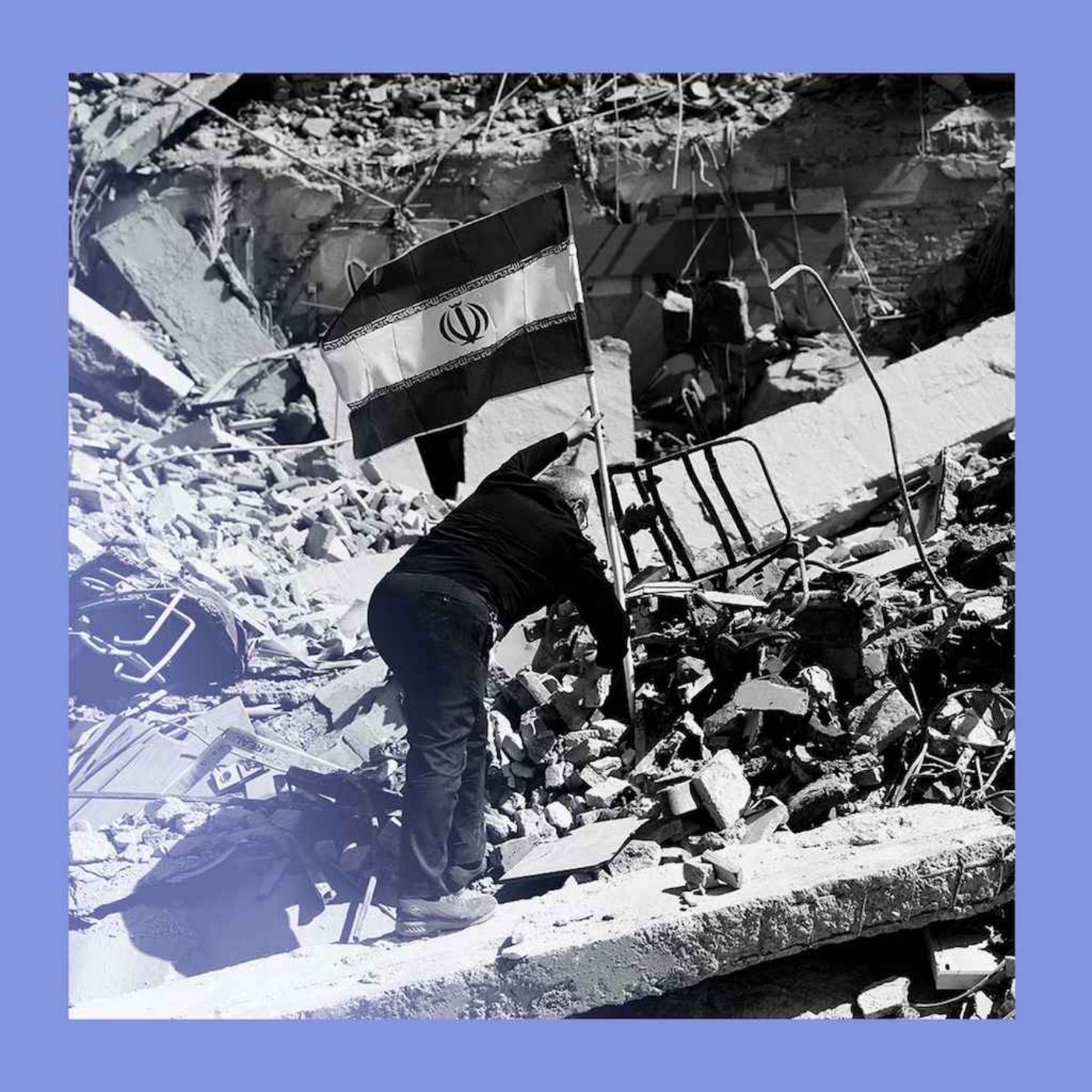
The podcast reveals a stunning paradox: one of the Islamic Republic's henchmen lived in Germany and organized assassinations while his disabled daughter depended on the German National Health Service. This illustrates the regime's deep cynicism and its ability to condemn and exploit the Western systems it seeks to undermine.
Engaging only with formal Iranian negotiators while ignoring hardliner factions like the Islamic Revolutionary Guard Corps (IRGC) leads to failed diplomacy. The IRGC is the true power center in Iran, and any agreement made without their buy-in is unlikely to be honored or effective, as they control the actual military assets.

The targeted Iranian supreme leader had issued two religious edicts (fatwas) against developing nuclear weapons. His assassination removed this key restraint and installed his more aggressive son, who has not issued similar edicts, thereby inadvertently accelerating the nuclear threat.
Although likely unaware of the initial embassy takeover plan, Ayatollah Khomeini astutely leveraged the ensuing hostage crisis. It became an invaluable political tool to unify the public against a common enemy and sideline moderate rivals, thereby cementing his revolutionary control.

The ongoing war provides the Iranian regime with a pretext for heightened internal security. This allows it to suppress domestic protests and dissent, framing internal control as a necessary measure while managing an external existential threat.

Despite a long history of documented terrorism, Iran has successfully manipulated global opinion by consistently erasing its past crimes from public memory. This allows the regime to present itself as a blank slate or a victim, entering diplomatic negotiations from a position of perceived innocence.