Get your free personalized podcast brief
We scan new podcasts and send you the top 5 insights daily.
The Iran conflict has tied up US naval assets in the Middle East, preventing their deployment to the West Pacific. This validates the US Army's long-held concern that it will lack naval support and have to fight independently in a potential first island chain conflict.

Related Insights
Despite the Strait of Hormuz closure being a long-theorized scenario, the US military response was 'insufficient' and lacked preparedness. Iran achieved a near-total shutdown with minimal force, relying on the *threat* of attack, revealing a significant gap in US strategic readiness.

The perception that the US Navy is unwilling to risk its high-value assets, like aircraft carriers, in contested littorals feeds directly into rival propaganda. This reluctance, even if militarily prudent, validates adversaries' belief that America lacks the tolerance for initial casualties and will back down in a crisis, potentially increasing the risk of miscalculation.

Despite years of rhetoric about prioritizing the Indo-Pacific to counter China, the US military remains deeply mired in Middle East conflicts. This reveals a disconnect between stated strategy and operational reality, resulting in a series of "operational level spasms" rather than a coherent global posture.

Post-Cold War globalization and its resulting just-in-time supply chains relied on the implicit security of maritime choke points, a role largely guaranteed by the US Navy. As regional conflicts rise and US commitment becomes uncertain, this foundational assumption of safe passage is collapsing, forcing a reassessment of global trade.

The U.S. expended a significant portion of its L-RASSM inventory—an advanced anti-ship missile designed for a Pacific conflict with China—against the comparatively insignificant Iranian Navy. This reflects a profound strategic disconnect, using a limited resource on a low-end threat and depleting critical war stocks.
The Pentagon is moving significant military assets, including warships, out of the Indo-Pacific to reinforce its position in the Middle East. This diversion of American attention and resources could present China with an opportunity to advance its long-standing interests in regions like Taiwan.

A regional conflict like the one in Iran has immediate global consequences for military readiness. The massive expenditure of interceptor missiles will create a supply crunch for US forces in other strategic areas like the Pacific and for allies like Ukraine, as production cannot keep up with wartime demand.
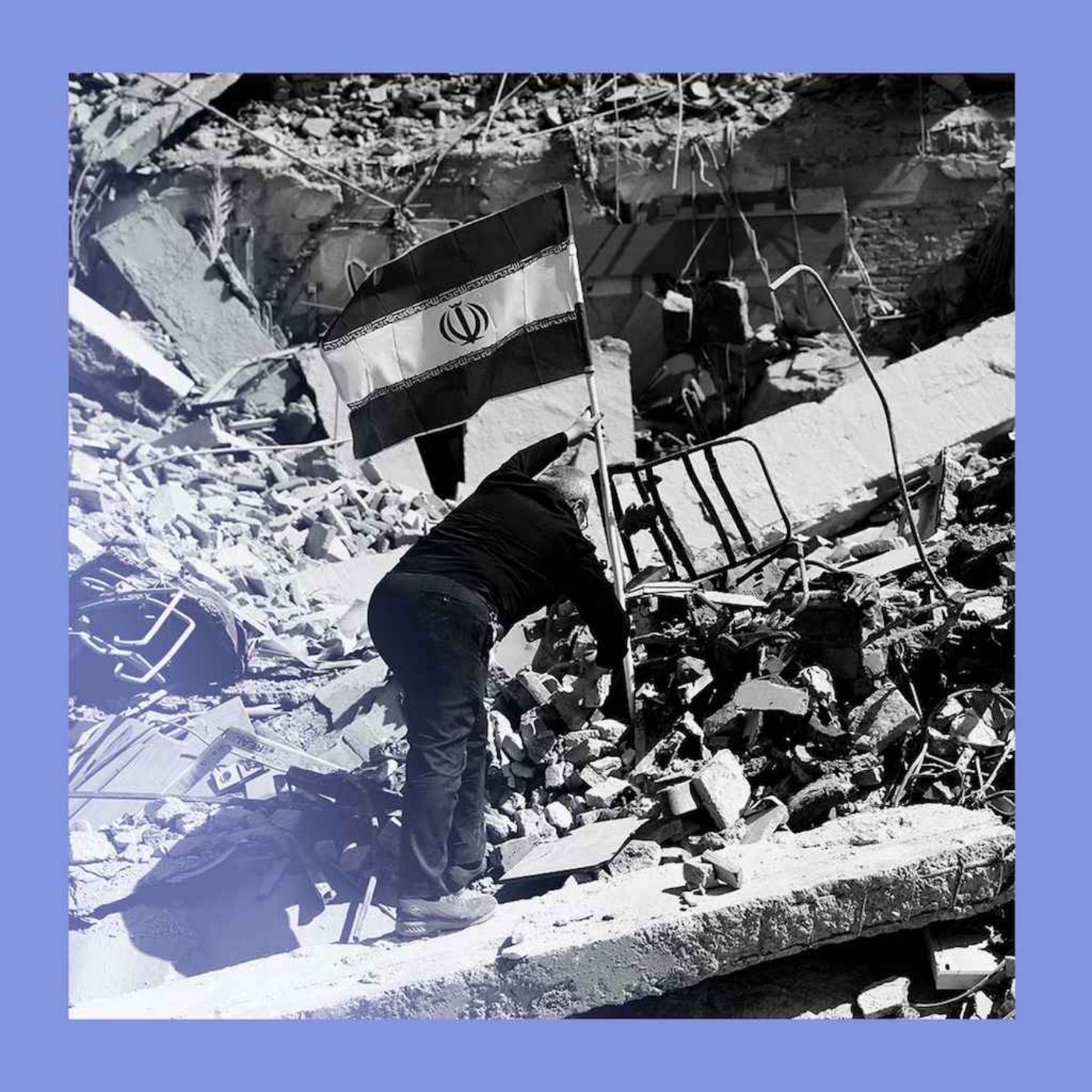
The US is moving from a global deterrence posture to concentrating massive force for specific operations, as seen with Iran. This strategy denudes other theaters of critical assets, creating windows of opportunity for adversaries like China while allies are left exposed.

While the U.S. is preoccupied with Iran and the Strait of Hormuz, China has significantly increased its military presence around Taiwan. This may not be just a show of force, but a strategic dress rehearsal for an invasion, testing capabilities while global attention is focused elsewhere.

The Iran conflict serves the strategic interests of China and Russia by distracting US attention and draining its military resources. It consumes critical assets (like Patriot missiles needed for Ukraine) and diverts political focus from containing America's primary geopolitical rivals in Europe and Asia.
