Get your free personalized podcast brief
We scan new podcasts and send you the top 5 insights daily.
Instead of trying to reach inaccessible celebrities directly, Midday Squares targeted their personal chefs. By building genuine relationships with these behind-the-scenes tastemakers over several years, they earned authentic placements with figures like Kim Kardashian without paying for endorsements.

Related Insights
The effectiveness of large-scale influencer marketing is waning as audiences recognize inauthentic paid promotions. A better strategy is to identify smaller creators, or 'trust brokers,' with high engagement and genuine community trust. Focus on building real, long-term, mutually beneficial relationships rather than transactional one-off posts.

Influential chefs are reluctant to promote finished CPG products (like sauces) that compete with their expertise. However, they will champion a premium ingredient brand like Bold Bean Co. because it enhances their own recipes without compromising their culinary authority, making them natural advocates.
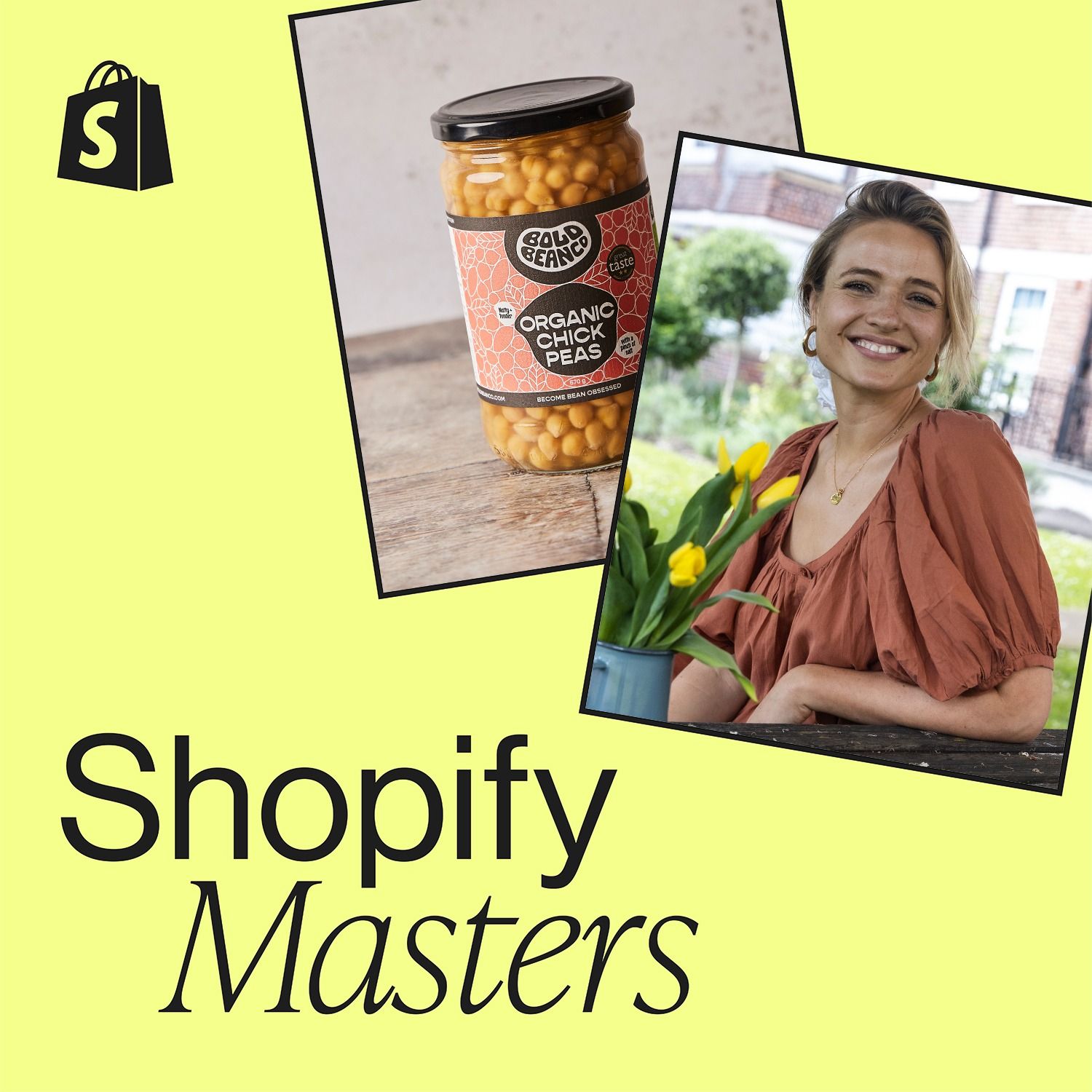
True influence in niche communities often lies with respected experts who lack a large social media presence. Building relationships with these 'invisible influencers,' like dedicated ski bums, by providing free products can generate powerful, authentic word-of-mouth credibility.
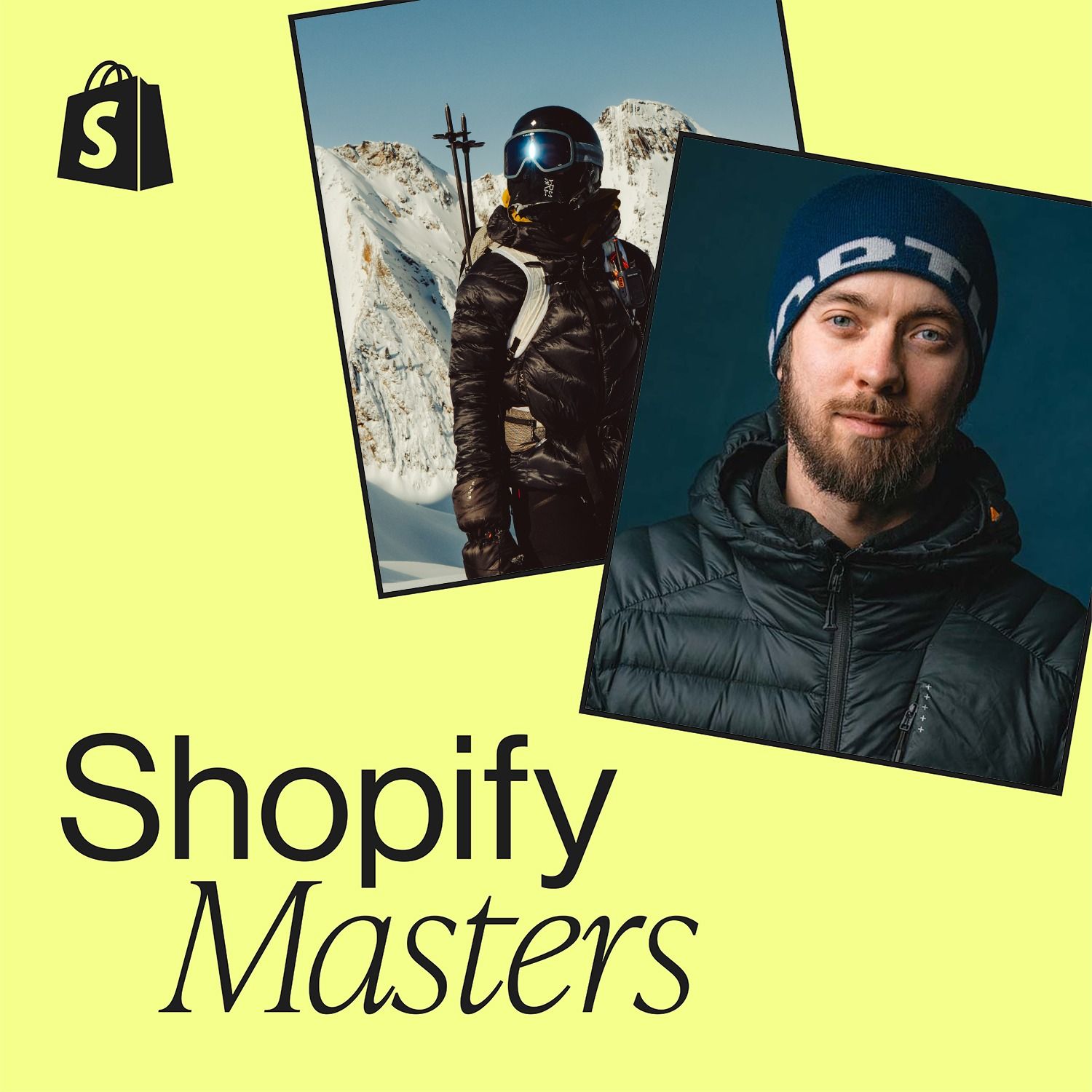
In today's saturated market, one-off influencer posts appear inauthentic. 437's strategy is to build deep relationships with a few creators, ensuring repeated exposure so they become the influencer's "go-to" brand for activewear, establishing genuine credibility.

McDonald's strategy wasn't to hire celebrities, but to partner with existing fans. Campaigns like the celebrity meals weren't invented; they were the stars' actual orders. This approach ensures an authentic connection with the audience, making the collaboration feel genuine rather than a transactional endorsement.

To achieve authentic endorsements, brands must simulate a long-term relationship before a big deal. This involves seeding product, buying smaller media like podcast ad reads, and confirming genuine usage first. This manufactured history makes the eventual large-scale partnership believable to the creator's audience, as it doesn't appear out of nowhere.

Unlike awareness, which can be purchased, true authenticity is unattainable for most brands directly. The most effective use of influencers is tapping into their pre-built, genuine communities to gain credibility and trust. This allows a brand to "borrow" the equity of authenticity from creators who have already earned it.
Don't dismiss the success of celebrity brands as unattainable. Instead, analyze the core mechanism: massive 'free reach' and 'memory generation.' The takeaway isn't to hire a celebrity, but to find your own creative ways to generate a similar level of organic attention and build a tribe around your brand.

To transition from a product to a lifestyle brand, Hexclad pursued a grand-scale influencer strategy. They targeted the world's best chefs, sending products and even "sneaking into" exclusive Michelin star events to build relationships. This top-down approach established premium credibility.

Gamma’s founder personally onboarded early influencers, walking them through the product and brainstorming hooks. This investment treats influencers as extensions of the team, not just a media buy, fostering genuine understanding and authentic promotion in their own voice.