Get your free personalized podcast brief
We scan new podcasts and send you the top 5 insights daily.
Rippling's CEO models a "go and see" culture by personally investigating customer issues down to the chat logs. This top-down behavior sets the standard for the entire company, ensuring even at scale, teams stay deeply connected to the real customer experience to maintain high product quality.

Related Insights
Even at significant scale, Alex Bouaziz maintains a deeply hands-on approach, believing it's a critical cultural pillar. Being involved in day-to-day problems and customer issues prevents him from being too far removed from the business. This proximity allows him to identify flaws in org design, response times, and processes that are invisible from a '10,000-foot view'.

Parker Conrad acts as the sole administrator for Rippling's own software, personally running payroll and approving expenses. He believes this hands-on approach provides an unparalleled, ground-level understanding of the product and customer pain points that competitors' executives lack, calling it a 'superpower.'

As companies grow, communication becomes fragmented across more people, increasing the risk of "translation errors." Regular, firsthand customer experience for all roles—not just founders—is essential to prevent internal models from diverging from customer reality.

Base fosters a "chop wood, carry water" culture where leaders are still individual contributors. The founding team set this tone by writing the first code and installing the first batteries themselves. This ensures a hands-on, problem-solving mindset permeates the company as it scales.

Pendo's CPO warns that scaling isn't just about replicating processes for more teams. Leaders must simultaneously build coordination systems (design reviews, clear communication) while fighting to maintain the "maniacal focus on the customer" and rapid innovation that characterize small teams.

To prevent management from becoming a detached layer, Arista ensures its leaders are "coach players." This means even senior executives, like the CTO and founder, still contribute by coding. This "leading by example" approach proves to employees that management is connected to the core work, reinforcing a strong, authentic engineering culture.

Large corporations can avoid stagnation by intentionally preserving the "scrappy" entrepreneurial spirit of their early days. This means empowering local teams and market leaders to operate with an owner's mindset, which fosters accountability and keeps the entire organization agile and innovative.

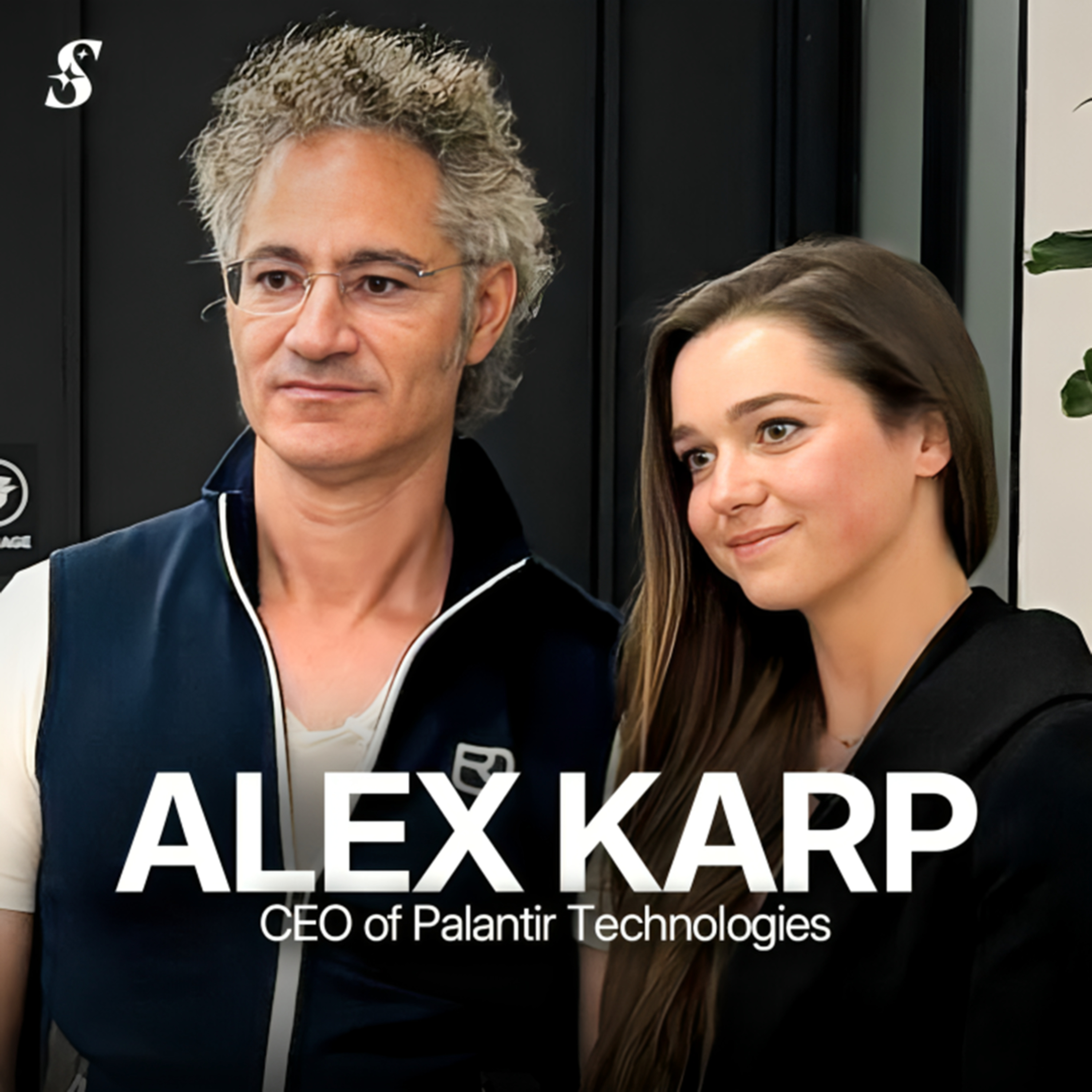
Palantir's success stems from its "anti-playbook" culture. It maintains a flat, meritocratic structure that feels like a startup despite its size. This environment fosters original thinking and rewards those who excel outside of rigid, conventional frameworks, turning traditionally undervalued traits into strengths.
To build a 'fearless innovation' culture, Snap-on's innovation director spends the vast majority of his time on-site with customers, not in corporate headquarters. This radical commitment to direct observation and ethnographic research ensures the entire innovation pipeline is grounded in real-world user problems.

Aravind Srinivas maintains a close connection to his users by personally using Perplexity for at least 10 queries a day and actively participating in customer support. He believes this is essential for a CEO to truly understand user frustrations and make sound product decisions.
