Get your free personalized podcast brief
We scan new podcasts and send you the top 5 insights daily.
Consumers can cut through marketing hype using a three-step vetting process. First, verify the product is backed by studies. Second, ensure those studies were conducted on humans, not animals. Third, confirm the study's conclusion shows a statistically significant benefit for your specific health goal.

Related Insights
For CNS diseases, where animal models are notoriously unreliable predictors of efficacy, the most pragmatic R&D model is to quickly move promising new chemical entities into human trials. The focus shifts from extensive preclinical validation to early biological experimentation in humans for proof-of-concept.

The fear that creatine causes hair loss originates from one 2009 study that found increased DHT levels but did not measure actual hair loss. This finding has never been replicated, and subsequent randomized controlled trials show no significant impact on hair outcomes or DHT levels versus a placebo.

AG1 made a strategic shift from influencer-led marketing to a science-first approach. The company invested over $10 million in double-blind, placebo-controlled human trials and built campaigns around this scientific validation. This move aims to build deep credibility and differentiate the brand in a crowded, often unsubstantiated market.

Dr. Kaufman developed a unique rating system for supplements. Each of the seven digits corresponds to a "tenet of aging," and is rated 0-3 based on the strength of scientific evidence, providing a strategic, evidence-based approach to supplementation.

To differentiate from competitors and build consumer trust, Olipop substantiates its health claims with empirical data. The company partners with Purdue University's labs to run in-vitro and human clinical trials that validate the product's positive effects on microbiome health and blood sugar stability.

Claims that creatine boosts brain function in healthy individuals are premature. Current scientific literature supports its cognitive benefits primarily in populations with existing deficits, such as those with traumatic brain injury, depression, or severe sleep deprivation, not the general public.

To differentiate in a crowded market, Atlas Bar conducted clinical tests to prove its product has a negligible effect on blood sugar. This scientific approach provides quantifiable proof of its health benefits—a 77% lower blood sugar response than white bread—shifting from typical marketing claims to evidence-based validation.

The founder, a former elite athlete, argues that 95% of 'functional' products lack true efficacy. He believes brands delivering real, measurable health benefits will win long-term as consumer education grows, making genuine functionality the ultimate competitive advantage over marketing-driven noise.

Investing in clinical studies is not just for product validation; it's a powerful marketing strategy. It allows you to make scientifically-backed claims in ads that competitors cannot legally replicate, creating a significant and sustainable competitive advantage.

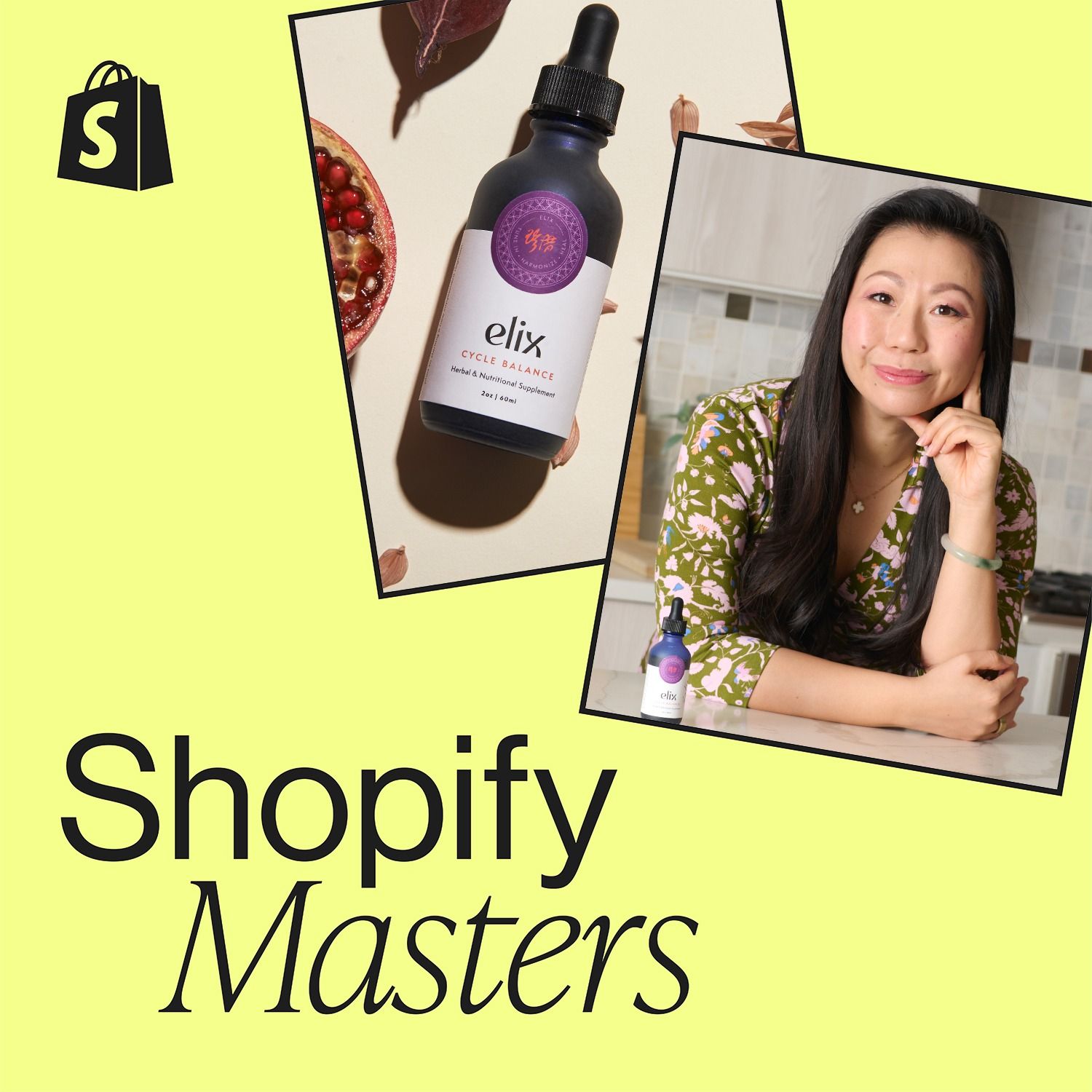
To build credibility in the modern healthcare landscape, Elix invests in formal, IRB-approved clinical studies for its traditional formulas. This strategy provides scientific validation, allowing them to operate as a credible resource alongside Western medicine, not in opposition to it.