Get your free personalized podcast brief
We scan new podcasts and send you the top 5 insights daily.
Trump's treatment of arms sales to Taiwan as a 'bargaining chip' and his dismissive comments about old commitments could be the tipping point for Asian allies. Just as the Greenland threat awakened Europe, Trump's transactional approach to Taiwan's security signals to Japan, South Korea, and Australia that their own long-standing treaties may also be considered negotiable.

Related Insights
Given President Trump's transactional nature and disinterest in Taiwan, it is argued that Chinese President Xi Jinping would be derelict not to offer him a massive personal financial incentive in exchange for abandoning America's security commitment to the island. This presents a non-military path for Chinese influence.

During the Trump-Xi summit, China is explicitly linking its willingness to make economic deals, such as buying more American goods, to the U.S. shifting its stance on Taiwan. Beijing wants President Trump to formally oppose Taiwanese independence, using trade as a bargaining chip for a key geopolitical objective.
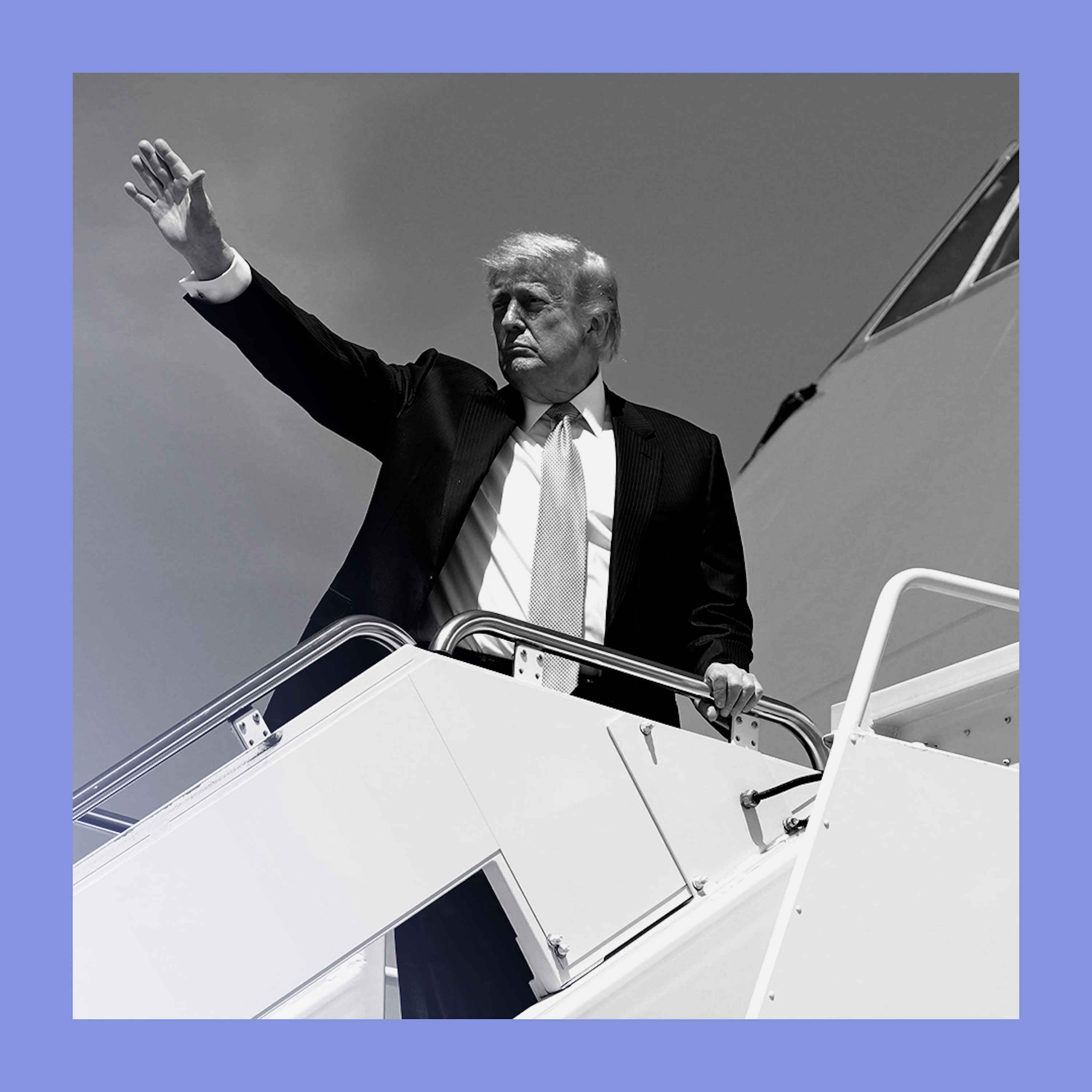
Unlike Europeans who have NATO and native nuclear powers as a potential fallback, major Asian allies like Japan and South Korea feel they have no viable alternative to the U.S. security guarantee. This perceived lack of options forces them into a strategy of accommodation and appeasement toward a transactional Trump administration, hoping to simply endure the term.
Trump's rhetoric about acquiring Greenland "the easy way or the hard way" is not just bluster. It's part of a broader pattern of unilateral action that prioritizes American strategic interests above all else, even at the cost of alienating key allies and potentially fracturing foundational alliances like NATO.

Actions like the Greenland affair are alienating allies like Canada and the EU. This pushes them to pursue independent, softer trade policies with China to secure economic benefits, seeing it as diversification rather than a strategic pivot away from the US.

While Americans may become desensitized to a president's unconventional statements, allies like Australia do not see it as a joke. They interpret threats to treaty obligations as genuine disrespect and aggression, compelling them to develop independent defense strategies and fundamentally altering geopolitical relationships built over decades.

Trump's strategy of publicly bullying and belittling allies backfires on the international stage. Unlike in domestic politics, sovereign nations have viable alternatives. This approach forces them to save face by aligning with rivals like China, even if it's not in their long-term best interest.

Seemingly disruptive actions, like those concerning trade or Greenland, are viewed as necessary 'jolts' to force allies to renegotiate their longstanding security and economic relationships with the U.S. for long-term sustainability.
The Trump administration demands allies take more responsibility for regional security. Yet when Japan's leader did so regarding Taiwan and faced Chinese pressure, the U.S. prioritized its direct relationship with Beijing, effectively hanging a key ally "out to dry" and contradicting its own strategic doctrine.
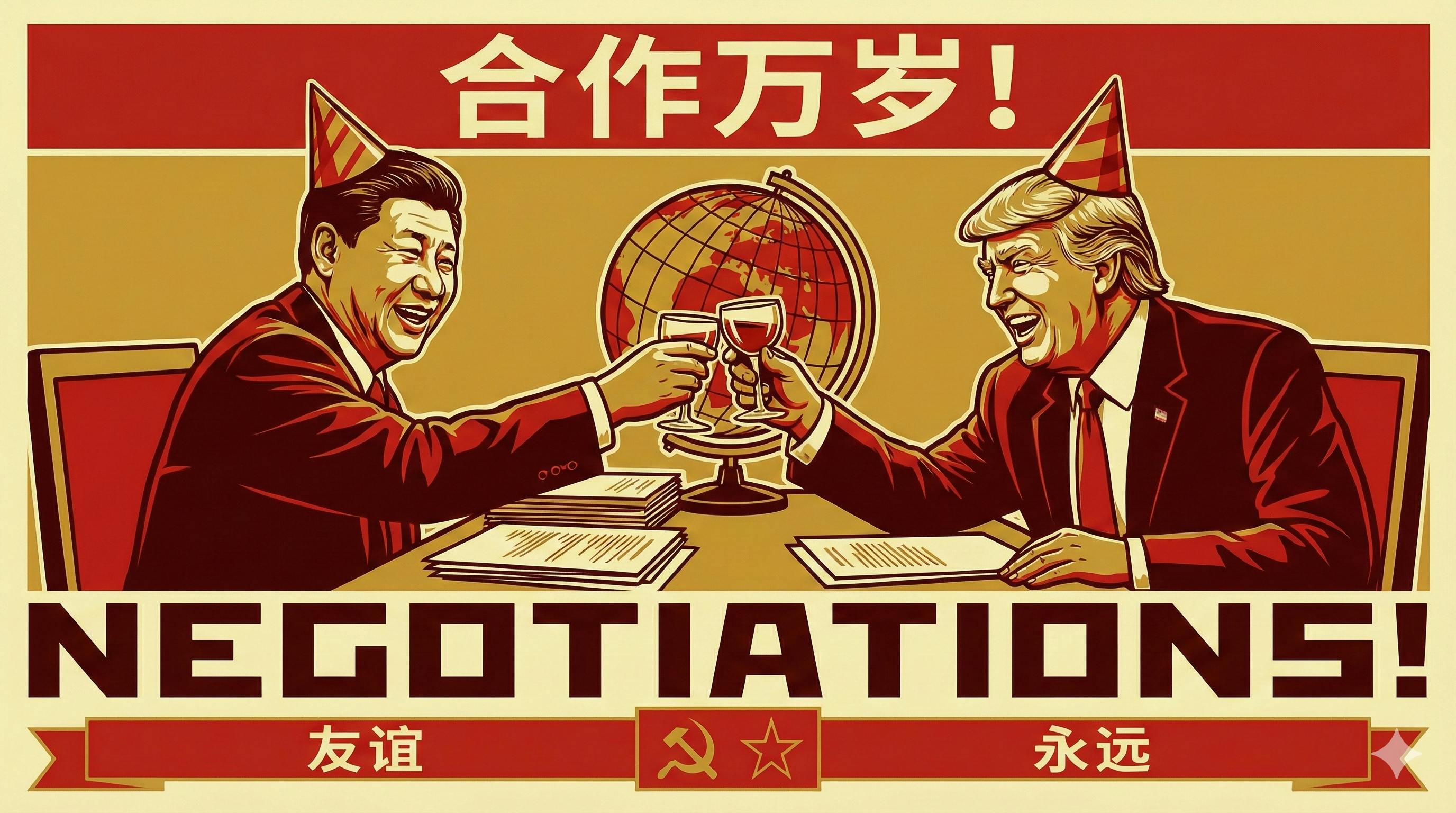
European allies only began seriously developing a 'Plan B' after President Trump threatened to seize Greenland. While threats to NATO and trade were concerning, the idea of using force against a NATO ally to take its territory was a bridge too far, shattering any remaining illusions and prompting concrete pushback like military exercises and counter-tariffs.