Get your free personalized podcast brief
We scan new podcasts and send you the top 5 insights daily.
Seemingly disruptive actions, like those concerning trade or Greenland, are viewed as necessary 'jolts' to force allies to renegotiate their longstanding security and economic relationships with the U.S. for long-term sustainability.

Related Insights
During the Greenland crisis, Europe employed a two-pronged strategy against Trump's threats. While some leaders like Alexander Stubb pursued de-escalation, others subtly signaled Europe's formidable economic power—a "bazooka" in trade and finance—to create leverage and coerce a non-military resolution.
Trump's erratic approach isn't random; it's a strategy to create chaos and uncertainty. This keeps adversaries off-balance, allowing him to exploit openings that emerge, much like a disruptive CEO. He is comfortable with instability and uses it as a tool for negotiation and advantage.

By threatening to withdraw from NATO, Trump can force allies like Denmark into deals such as the one for Greenland. While this leverage is effective for immediate goals, his unpredictable tactics cause long-term damage to America's international reputation and perceived stability.

The Greenland diplomatic row taught European leaders that their previous strategy of delicate diplomacy was ineffective with the Trump administration. By presenting credible retaliatory threats, they discovered they could achieve their objectives, signaling a major shift in transatlantic diplomatic strategy.
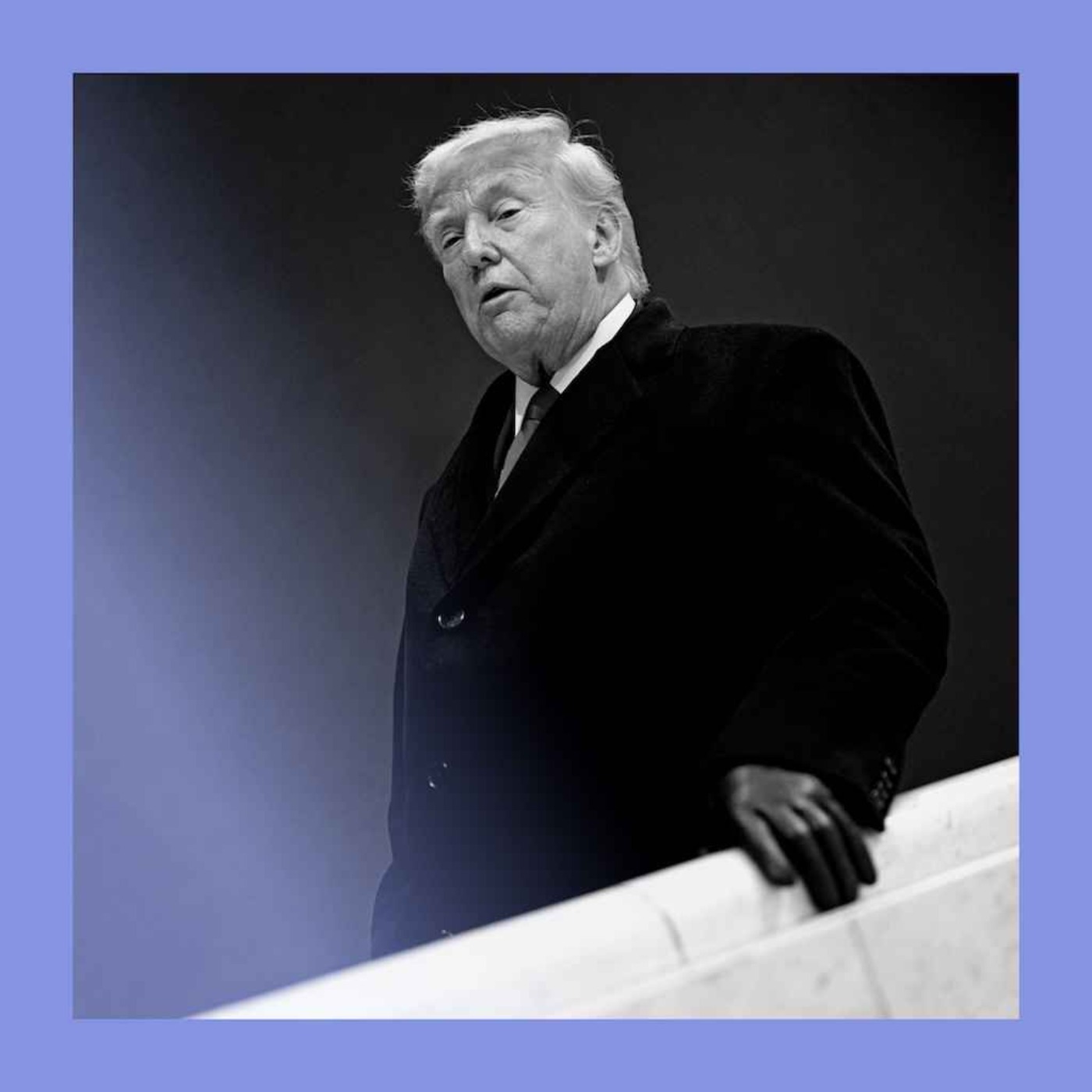
The seemingly bizarre US rhetoric about Greenland is not a genuine territorial ambition. Instead, it is a calculated, strong-arm tactic designed to give European nations political cover to increase their own military spending and adopt a 'war footing,' aligning with US interests against China and its allies.

Trump's rhetoric about acquiring Greenland "the easy way or the hard way" is not just bluster. It's part of a broader pattern of unilateral action that prioritizes American strategic interests above all else, even at the cost of alienating key allies and potentially fracturing foundational alliances like NATO.

Actions like the Greenland affair are alienating allies like Canada and the EU. This pushes them to pursue independent, softer trade policies with China to secure economic benefits, seeing it as diversification rather than a strategic pivot away from the US.

Trump's 'hokey pokey' with tariffs and threats isn't indecisiveness but a consistent strategy: make an agreement, threaten a severe and immediate penalty for breaking it, and actually follow through. This makes his threats credible and functions as a powerful deterrent that administrations lacking his perceived volatility cannot replicate.

Trump's confrontational stance with allies isn't just chaos; it's a calculated strategy based on the reality that they have nowhere else to go. The U.S. can troll and pressure nations like Canada and European countries, knowing they won't realistically align with China, ultimately forcing them to increase their own defense commitments.

Stephen Walt defines Trump's foreign policy as 'predatory hegemony,' a unique strategy where a dominant power uses its leverage to extract concessions and tribute from everyone, including long-standing allies. This departs from traditional great power politics, which is typically predatory only toward rivals.