Get your free personalized podcast brief
We scan new podcasts and send you the top 5 insights daily.
During geopolitical tension in the Strait of Hormuz, at least ten commercial vessels altered their transponder data to falsely identify as Chinese-owned or crewed. This is a novel, real-time tactic to avoid being targeted in the conflict, demonstrating a dynamic adaptation to maritime threats.
Related Insights
The disruption in the Strait of Hormuz isn't a formal closure. Instead, shippers and producers are adopting a "wait and see" approach, halting flows due to reports of damaged ships and skyrocketing insurance premiums, effectively creating a self-imposed blockade.

Sanctions on major Russian oil companies don't halt exports but instead push them into opaque channels. Russia uses independent traders and restructured ownership to create "unknown" cargos, removing sanctioned company names from documents. This model, proven with smaller firms, maintains export volumes while obscuring the oil's origin.

Nations like Russia and Iran utilize a "shadow fleet" of tankers to bypass international sanctions. These ships engage in clandestine activities, such as broadcasting false location data ("spoofing") and making illegal flag changes, forming what one official called a "Russian-Iranian axis of sanctions evasion."
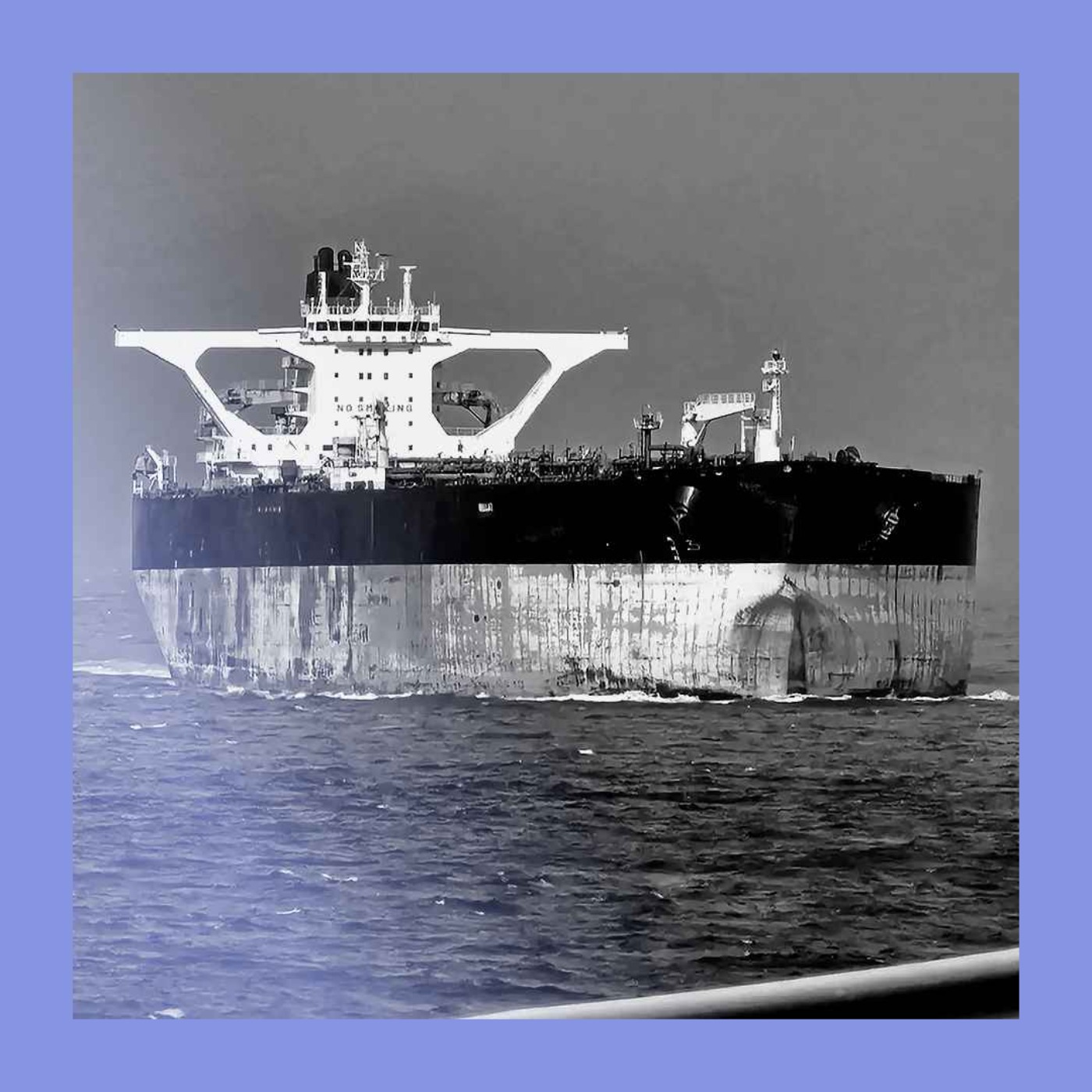
Major container lines will divert entire fleets on longer, more expensive routes around continents based solely on the threat of attack, as seen with the Houthis in the Red Sea. The perception of risk, not just the occurrence of incidents, is a primary driver of costly, system-wide disruptions in logistics.

The core vulnerability enabling shadow fleets is the international "flag state" system. Opportunists create fake online registries for non-existent or uninhabited territories, such as a rock in the Pacific, allowing vessels to operate with impunity in international waters.
When commercial insurers cancelled war risk coverage for vessels in the Strait of Hormuz, the US government stepped in to provide political risk insurance. This ensures the flow of global trade and energy, demonstrating a powerful, non-obvious tool of economic statecraft.

US sanctions do not automatically grant the right to seize ships on the high seas. The legal basis for capturing the "Bella One" tanker stemmed from its status as a "stateless" vessel under international maritime law, after it flew a false flag and attempted an illegal mid-voyage flag change.
Iran effectively weaponized the Strait of Hormuz not with mines, but by creating enough uncertainty to make UK-based insurance companies pull out. This demonstrates how financial systems can be leveraged as powerful geopolitical choke points.

By forcing the U.S. to operate its air defense systems at scale, the conflict in Iran is inadvertently providing China with a treasure trove of intelligence. The Chinese can observe how these systems perform, identify weaknesses, and refine their own tactics for a potential future conflict.

Illicit maritime operations are increasingly run by opportunistic, international middlemen serving multiple clients, not just Russia or China. This for-profit model, motivated by money rather than ideology, complicates attribution and enforcement efforts by Western governments.