Get your free personalized podcast brief
We scan new podcasts and send you the top 5 insights daily.
Instead of only requesting positive references, Sequoia partner Doug Leone asks founders, "Who would be your worst reference and why?" The goal isn't to find perfection, but to assess the founder's clarity, honesty, and self-awareness in how they answer the unexpected and challenging question.

Related Insights
During a reference check, instead of asking about weaknesses, a young Jeff Bezos asked: "Give me an example of a job that she wouldn't be a good fit for." This clever reframing bypasses generic praise and forces the reference to provide specific, nuanced feedback on a candidate's limitations.

WCM's interview process includes unorthodox questions like "How do you imagine yourself dying?" to break through rehearsed answers. This approach accelerates vulnerability and reveals self-awareness, which they consider more important than credentials for building a high-trust team.

David Cohen of Techstars advises founders to request references from a VC's failed investments. This reveals how an investor behaves during difficult times, providing a more honest assessment of their character and support level than speaking only with successful founders.

A venture capitalist's first question to a founder is about a major failure. An inability to answer ends the meeting, as it signals a lack of experience in confronting and overcoming adversity, a crucial skill for leading a startup.

A founder asking an investor about their biggest blind spot during evaluation is a disarming and intelligent question. As shared by Maytha Agarwal of Defy, it forces the VC to self-audit their decision-making process in real-time, revealing their introspection and leading to a more honest, transparent conversation.

Interviews can be misleading as founders are skilled at presenting well. Venture investor Naveen Chaddha relies heavily on extensive back-channel references to create an "X-ray" of a founder's history. He believes that while founders can craft a narrative, they cannot hide from their past actions and reputation.

To get candid early-stage feedback, founder Janice Omadeke disarmed potential advisors by explicitly asking them to tell her if her "baby is ugly" and why. This framing signaled a thick skin and a genuine desire for constructive criticism, leading to more valuable insights instead of polite encouragement.

Great founders turn a pitch into a collaborative discussion by asking investors to identify business weaknesses. This signals curiosity, strength, and a desire for genuine feedback over just presenting a perfect picture. It demonstrates a coachable leader who is focused on gathering data to improve.

Standard reference checks yield polite platitudes. To elicit honesty, frame the call around the high stakes for both your company and the candidate. Emphasize that a bad fit hurts the candidate's career and wastes everyone's time. This forces the reference to provide a more candid, risk-assessed answer.
![Martín Escobari - Inside General Atlantic - [Invest Like the Best, EP.449] thumbnail](https://megaphone.imgix.net/podcasts/90e6e3e6-c984-11f0-ae5f-27bb851bdc56/image/608fac468f77cb3014e96336896d96de.jpg?ixlib=rails-4.3.1&max-w=3000&max-h=3000&fit=crop&auto=format,compress)
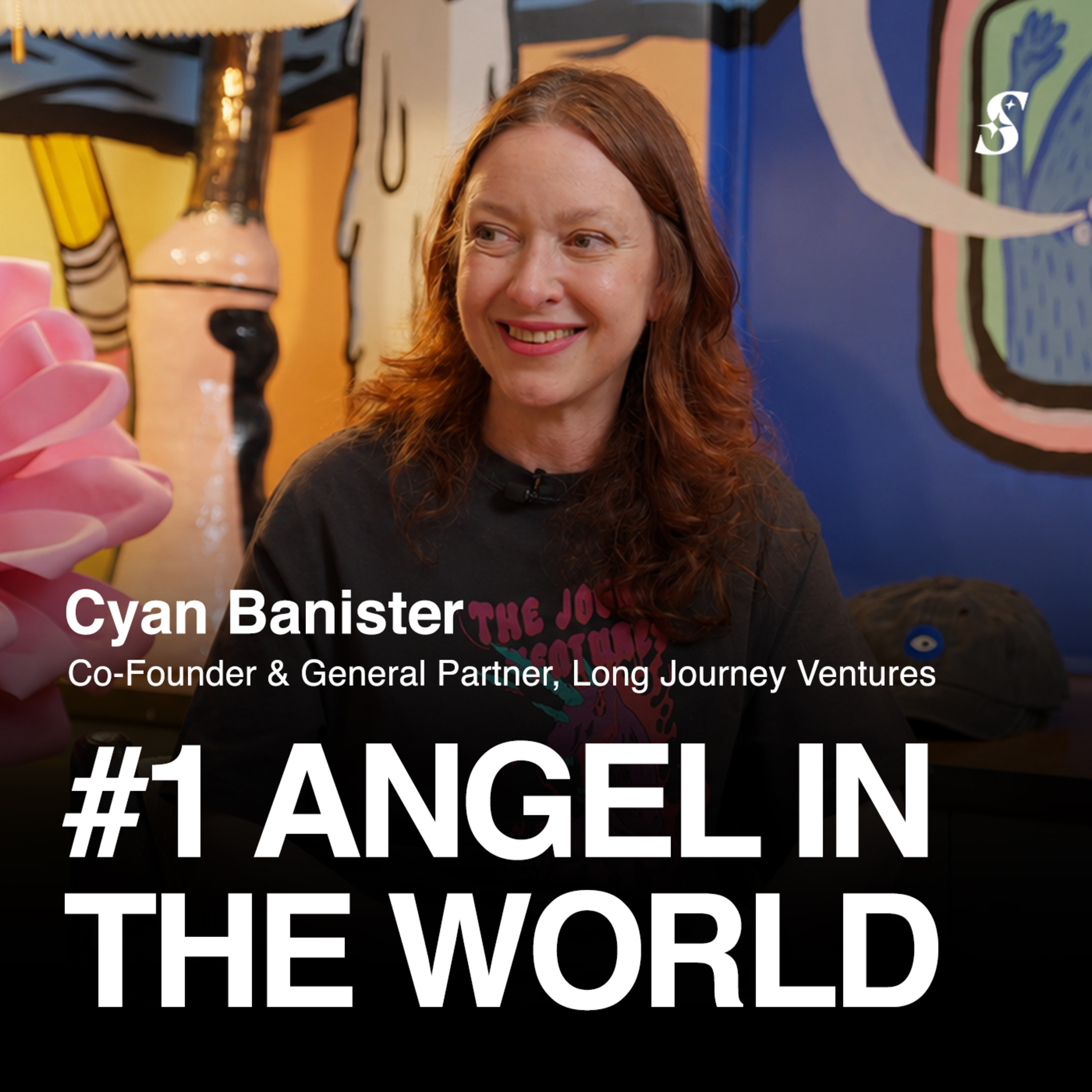
Borrowing from Peter Thiel, Cyan Banister prioritizes asking what worries someone over what excites them. This question cuts through performative optimism and reveals deeper strategic thinking, potential risks, and a founder's self-awareness.