Get your free personalized podcast brief
We scan new podcasts and send you the top 5 insights daily.
Robinson says evidence is overwhelming that democracy is associated with better public policy and growth, but democracies vary and can be corrupt or clientelistic. He sees huge election spending as a problem and inequality's spillover into politics as worse than its economic effect. He calls campaign finance a real issue.

Related Insights
Since the Citizens United ruling, billionaire spending in federal elections has jumped from under 1% to 19% of all donations. This funding heavily favors Republicans, with every dollar to a Democrat matched by five to a Republican, concentrating immense political influence within a small, wealthy cohort.

While economic policies like raising the minimum wage have broad benefits, campaign finance reform like overturning Citizens United is more fundamental. It addresses the root cause of political gridlock and corporate influence, which prevents many other positive social and economic changes from being implemented.
The electoral process inherently favors wealthy, socially connected, and power-seeking individuals. This systematically excludes more reserved but capable citizens, creating a political class with significant blind spots that is often unresponsive to the majority's needs.

Political candidates are now directly targeting billionaire donors in their ads, framing their money as 'dirty' and an attempt to 'buy the government.' This strategy, seen in a Maine senate race ad against Elon Musk's spending, weaponizes voter resentment against outside influence and concentrated wealth.

The American political system produces "the best politicians money can buy" because expensive, privately funded campaigns make politicians beholden to their financial backers. Banning private donations and moving to a 100% government-funded model is the only way to guarantee politicians cannot be bought.

Joe suggests China looks anti-capture because successful businessmen can get rich but cannot easily gain political influence. Robinson agrees China has advantages like meritocracy and social mobility, but still thinks absolute power corrupts. He says this is partly cultural and deeply historically rooted in China.
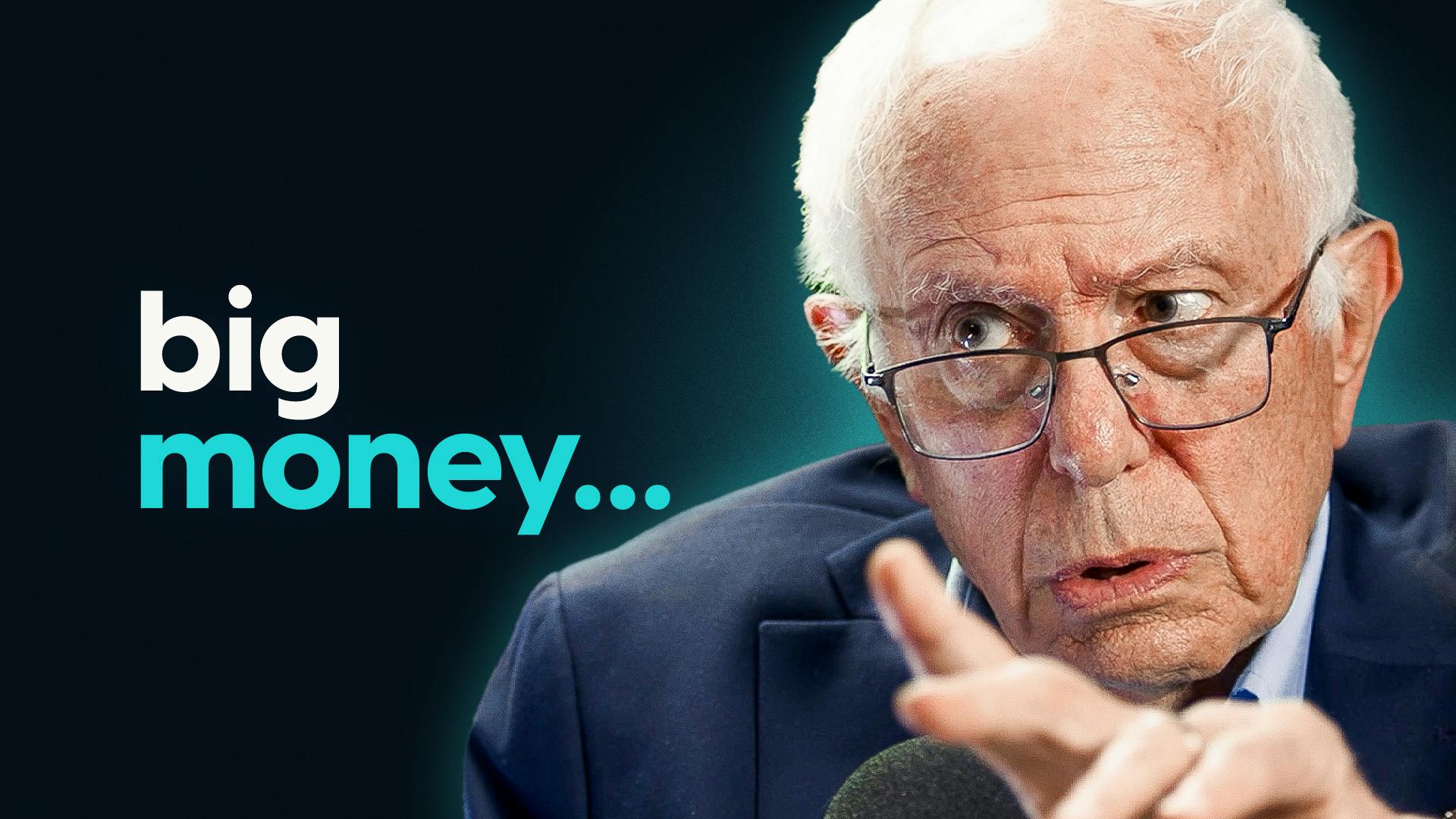
To combat a 'corrupt campaign finance system' where billionaires use Super PACs to 'buy elections,' Sanders proposes a move to public funding. This system would grant qualified candidates equal funding, leveling the playing field and making politicians accountable to voters instead of wealthy donors.
Pennsylvania's senators lament the exorbitant cost of their campaigns ($300M-$500M). Rather than benefiting the public or persuading voters, they argue this money is overwhelmingly spent on negative advertising designed solely to destroy the opponent's reputation, representing a massive misallocation of resources.

The purpose of high taxes on extreme wealth isn't just revenue. It's a crucial democratic safeguard that prevents individuals from accumulating enough power to "weaponize government," influence elections, and control political outcomes.

Robert Solow posits that rising inequality isn't just an economic issue; it's a political one. Initial economic disparities lead to political inequality, which then allows the powerful to shape laws (like deregulation) in their favor, further concentrating wealth and reinforcing the initial inequality.