Get your free personalized podcast brief
We scan new podcasts and send you the top 5 insights daily.
Since the Citizens United ruling, billionaire spending in federal elections has jumped from under 1% to 19% of all donations. This funding heavily favors Republicans, with every dollar to a Democrat matched by five to a Republican, concentrating immense political influence within a small, wealthy cohort.

Related Insights
The push for small-dollar donations, intended to create mass-participatory democracy, instead created mass-participatory populism. This system incentivizes inflammatory figures like AOC and Marjorie Taylor Greene, who excel at fundraising through outrage, over those focused on effective legislating and compromise.

Recent massive donations from billionaires are not for traditional charities but for causes reflecting capitalist and patriotic values: funding troops, children's stock accounts, and Olympic athletes. This trend represents a new form of pro-competition, pro-market philanthropy.

As described by Microsoft's President, corporate political donations are the "entry ticket" to the retreats and dinners where politicians spend their time. The check doesn't buy a specific policy outcome but provides the consistent access needed to build influential relationships.

While economic policies like raising the minimum wage have broad benefits, campaign finance reform like overturning Citizens United is more fundamental. It addresses the root cause of political gridlock and corporate influence, which prevents many other positive social and economic changes from being implemented.
The historic gap between Republican and Democratic pride in America reflects a "K-shaped" economy. A soaring stock market benefits a concentrated few, exacerbating wealth inequality and breaking the social contract. This disconnect between headline market performance and the economic reality for most citizens fuels political division.
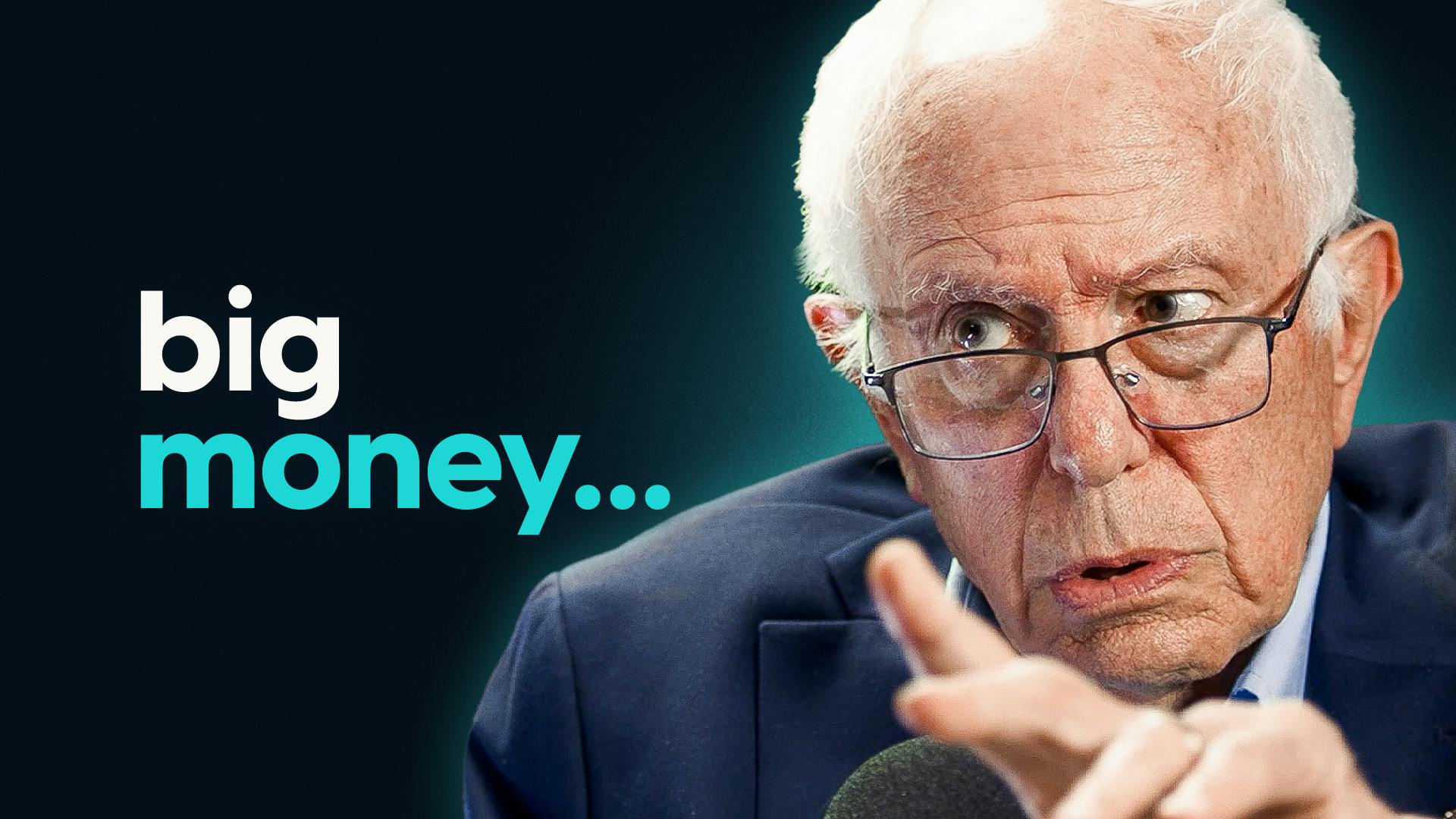
To combat a 'corrupt campaign finance system' where billionaires use Super PACs to 'buy elections,' Sanders proposes a move to public funding. This system would grant qualified candidates equal funding, leveling the playing field and making politicians accountable to voters instead of wealthy donors.
The focus of billionaire philanthropy has shifted from building physical public works (like libraries) to funding NGOs and initiatives that aim to fundamentally restructure society, politics, and culture according to their ideological visions.

Analysis reveals a heavy concentration of spending at the top: the highest decile of income earners is now responsible for 49.2% of all personal outlays. This makes the overall US economy highly dependent on the financial health and confidence of a very small, affluent segment of the population, increasing systemic risk.

The concentration of wealth where the top 10-20% capture 70-80% of the economic pie is fundamentally unstable in a democracy where everyone gets a vote. This economic reality serves as a political invitation for populist demagogues, making the rise of radical socialist ideas a predictable and dangerous outcome.
Shkreli counters the theory of elite control, claiming politicians and wealthy donors both believe they are outsmarting the other. The politician gets money while the donor receives the illusion of influence, but no actual policy is swayed, making large donations a waste of time.
