Get your free personalized podcast brief
We scan new podcasts and send you the top 5 insights daily.
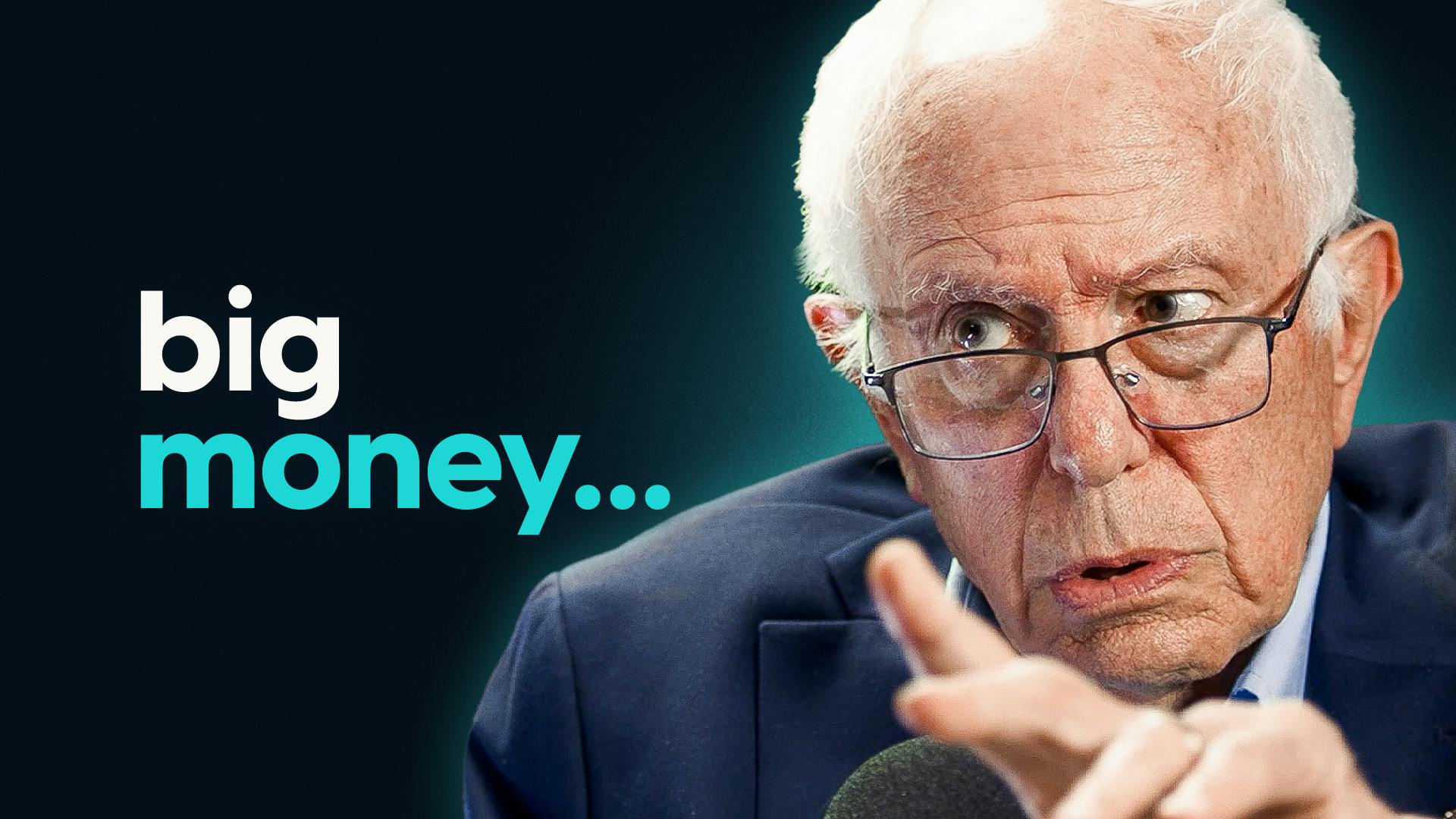
The American political system produces "the best politicians money can buy" because expensive, privately funded campaigns make politicians beholden to their financial backers. Banning private donations and moving to a 100% government-funded model is the only way to guarantee politicians cannot be bought.

Related Insights
Systemic government fraud often operates as an intentional cycle. Public funds are allocated to allied NGOs, which then funnel a portion of that money back into the campaigns of the politicians who approved the funding. This creates a self-sustaining loop of corruption disguised as public service.

While economic policies like raising the minimum wage have broad benefits, campaign finance reform like overturning Citizens United is more fundamental. It addresses the root cause of political gridlock and corporate influence, which prevents many other positive social and economic changes from being implemented.

The electoral process inherently favors wealthy, socially connected, and power-seeking individuals. This systematically excludes more reserved but capable citizens, creating a political class with significant blind spots that is often unresponsive to the majority's needs.

To combat corruption, the US should consider Singapore's model: pay elected officials significantly higher salaries (e.g., $1-2 million) but enforce absolute zero tolerance for insider trading or lobbying conflicts. This approach professionalizes public service and removes the financial incentive for illicit activities.
Politicians often operate as actors in a performative 'kabuki theater' for the public. Their words and actions are scripted not by genuine belief or policy goals, but by the interests of their financial backers and the need to secure reelection.

Senator Booker argues that political corruption has evolved. A single wealthy individual can now threaten to fund a multi-million dollar primary campaign against a sitting senator via a Super PAC, effectively buying compliance and overpowering the will of constituents.

To combat a 'corrupt campaign finance system' where billionaires use Super PACs to 'buy elections,' Sanders proposes a move to public funding. This system would grant qualified candidates equal funding, leveling the playing field and making politicians accountable to voters instead of wealthy donors.
Pennsylvania's senators lament the exorbitant cost of their campaigns ($300M-$500M). Rather than benefiting the public or persuading voters, they argue this money is overwhelmingly spent on negative advertising designed solely to destroy the opponent's reputation, representing a massive misallocation of resources.

Proposals like term limits, congressional insider trading bans, and budget accountability for lawmakers receive overwhelming public approval, cutting across typical political divides. This suggests accountability is a powerful, unifying theme for voters.

Unlike America's founders who often lost wealth and risked their lives, modern politics has become a highly profitable career. This financial incentive system naturally attracts individuals motivated by personal gain rather than a willingness to sacrifice for their country.
