Get your free personalized podcast brief
We scan new podcasts and send you the top 5 insights daily.
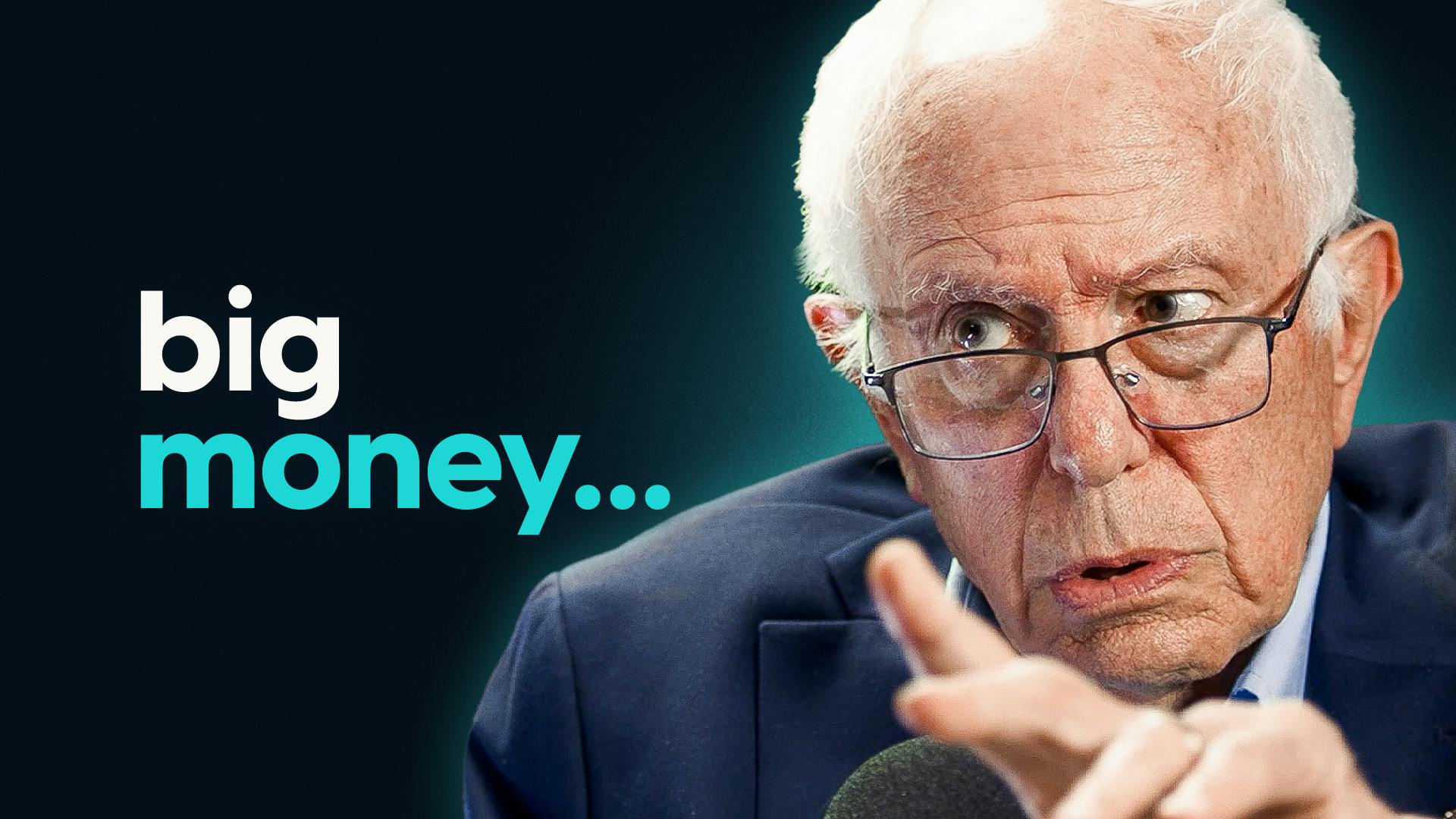
To combat a 'corrupt campaign finance system' where billionaires use Super PACs to 'buy elections,' Sanders proposes a move to public funding. This system would grant qualified candidates equal funding, leveling the playing field and making politicians accountable to voters instead of wealthy donors.
Related Insights
Senator Bernie Sanders argues the Democratic party, once the party of the working class, began courting wealthy donors in the 1970s. This strategic shift led them to neglect core economic issues, causing their traditional base to feel alienated and vote for candidates like Donald Trump.
Modern populists gain influence by creating organic content that captures algorithmic attention, effectively turning a small campaign budget into disproportionate reach. This bottom-up strategy bypasses traditional, money-driven political machines by treating social attention as the primary currency, not dollars.

While economic policies like raising the minimum wage have broad benefits, campaign finance reform like overturning Citizens United is more fundamental. It addresses the root cause of political gridlock and corporate influence, which prevents many other positive social and economic changes from being implemented.

AI is not solely a tool for the powerful; it can also level the playing field. Grassroots political campaigns and labor organizers can use AI to access capabilities—like personalized mass communication and safety reporting apps—that were previously only affordable for well-funded, established entities.

The focus of billionaire philanthropy has shifted from building physical public works (like libraries) to funding NGOs and initiatives that aim to fundamentally restructure society, politics, and culture according to their ideological visions.

Buttigieg frames wealth inequality not just as an economic issue but as an existential threat to the American republic. He states that historically, no republic has been able to maintain its form of government after reaching the current level of wealth and power concentration seen in the U.S.
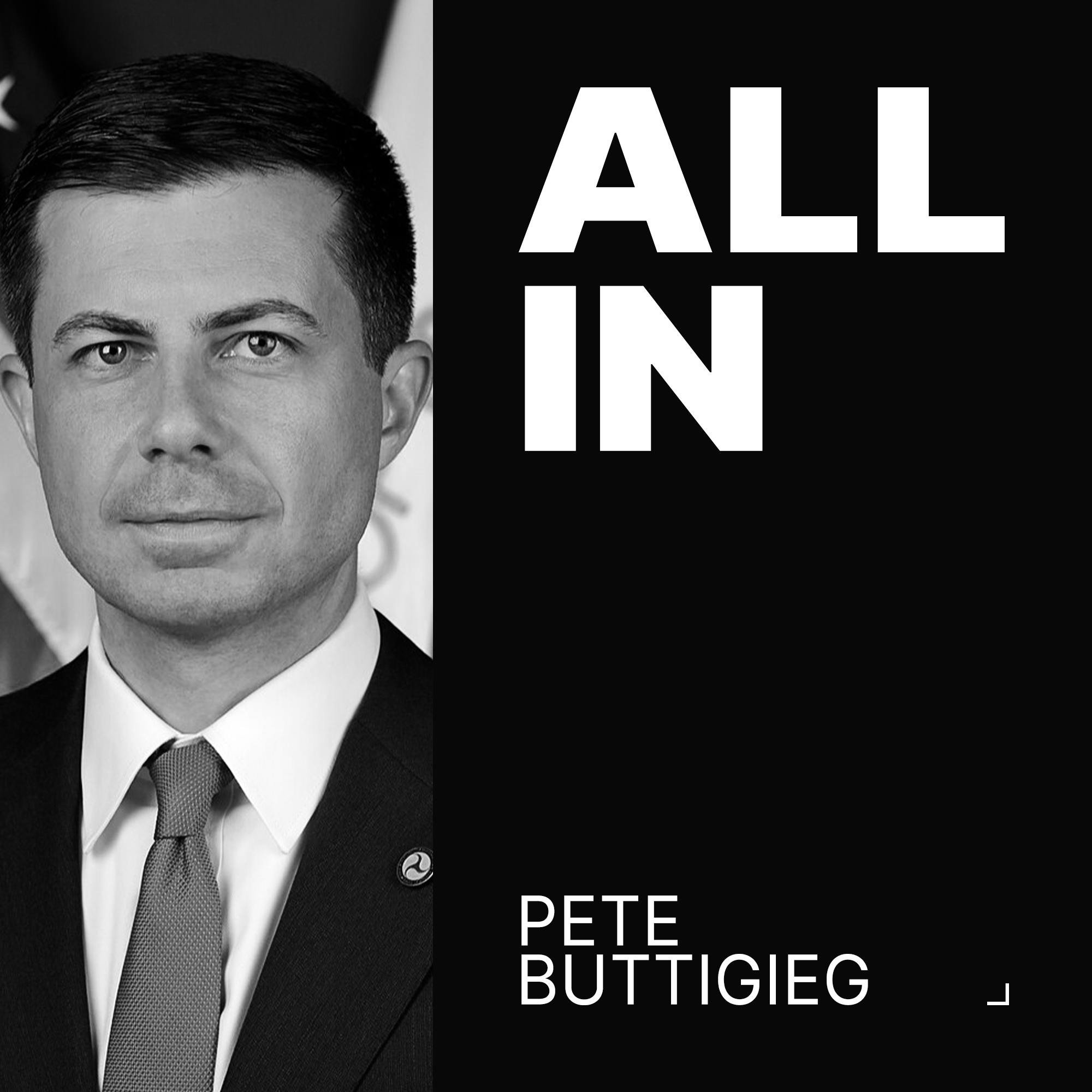
Buttigieg dismisses complex narratives around Silicon Valley's political shift, arguing it's a straightforward case of wealthy individuals choosing the party whose policies, like lower taxes and deregulation, best serve their immediate financial interests, despite other ideological contradictions.
Senator Sanders describes a 'Stalinist type allegiance' within the Republican party, where dissent against Donald Trump is rare. Politicians fear that any criticism will result in them being targeted in primary elections by billionaire-funded challengers, creating a cult of personality that stifles independent thought.
Political alignment is becoming secondary to economic frustration. Voters are responding to candidates who address rising costs, creating unpredictable alliances and fracturing established bases. This dynamic is swamping traditional ideology, forcing both parties to scramble for a new populist message centered on financial well-being.
Curtis Sliwa reveals a direct bribery attempt by billionaires offering him $10 million in cash to drop out of the New York City mayoral race. This highlights the extreme, often criminal, lengths to which wealthy interests will go to influence even local political outcomes and silence populist candidates.