Get your free personalized podcast brief
We scan new podcasts and send you the top 5 insights daily.
The purpose of high taxes on extreme wealth isn't just revenue. It's a crucial democratic safeguard that prevents individuals from accumulating enough power to "weaponize government," influence elections, and control political outcomes.

Related Insights
Instead of government-mandated pay ratios, which can be circumvented, implement a highly progressive tax system. High earners like CEOs should face marginal tax rates of 60-70%, redirecting wealth to public services without stifling market dynamics or creating perverse incentives.
Even if billionaires paid a 40% tax rate like high earners, it wouldn't solve inequality. In a slow-growth economy, their wealth would still compound much faster than the economy itself. This merely slows, but doesn't stop, the net transfer of wealth from the middle and working classes to the super-rich.

Attacking the wealthy personally is a failed political strategy. It alienates aspirational voters, pushes capital to other regions, and distracts from implementing effective policy. Focusing on sober, competent arguments for a progressive tax structure is a more effective path to achieving tax reform goals.
The public debate over wealth taxes is often a facile "for vs. against" argument. Economist Gary Stevenson argues this is intentional. The real issue is a lack of funding and political will to design them effectively, allowing politicians to propose populist but flawed versions with built-in loopholes to appease donors.
The political narrative that the wealthy don't pay their 'fair share' is undermined by IRS data. The top 50% of American earners pay 97% of all income taxes, while the bottom 50% collectively contribute only 3%, suggesting the core issue is spending, not revenue.

The concentration of wealth where the top 10-20% capture 70-80% of the economic pie is fundamentally unstable in a democracy where everyone gets a vote. This economic reality serves as a political invitation for populist demagogues, making the rise of radical socialist ideas a predictable and dangerous outcome.
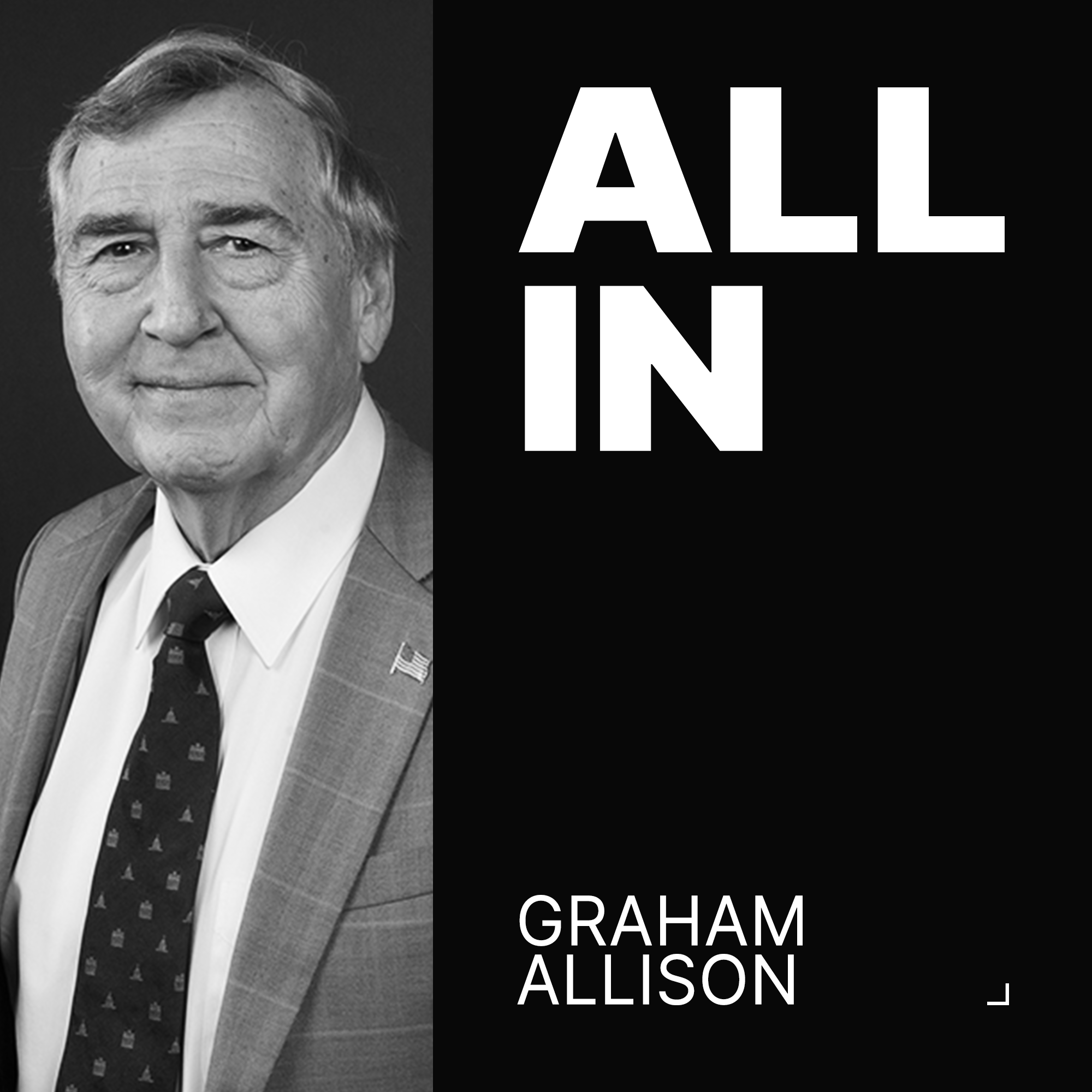
Joe Lonsdale's willingness to pay a 90% tax is not an endorsement of high taxes but a recognition that a functioning, stable society is essential for wealth creation and preservation. The core frustration for the wealthy is not the tax rate itself, but paying for an incompetent government.

The best taxes are those with the least impact on daily life. Instead of broad consumption taxes that burden everyone, policy should target areas like multi-million dollar estate tax exemptions, which raise revenue without harming the vast majority and prevent the formation of dynasties.

Instead of attacking wealth, a more effective progressive strategy is to champion aggressive, 'hardcore' capitalism while implementing high, Reagan-era tax rates on the resulting gains. This framework uses the engine of capitalism to generate wealth, which is then taxed heavily to fund public investments in infrastructure and education, creating a virtuous cycle.
Proposed 'billionaire taxes' often include legal clauses that allow legislatures to expand the tax to lower wealth brackets and make it recurring without further voter approval. This reveals the long-term strategy is not just to tax billionaires but to eventually target the much larger middle-class tax base.