Get your free personalized podcast brief
We scan new podcasts and send you the top 5 insights daily.
Elite motorsports teams serve as a high-stakes training ground for top-tier engineers. The intense, data-driven environment of racing produces talent that is highly sought after by advanced aerospace and defense companies like Anduril, making the racetrack an unexpected pipeline for national security roles.

Related Insights
African defense-tech startup Terra Industries scaled its specialized hardware team by identifying and hiring entire hidden communities of engineers. These previously siloed groups were doing side projects for the military but lacked commercial opportunities, allowing Terra to acquire a cohesive, experienced talent pool in a single move.

Unlike traditional defense contractors, Anduril's marketing targets the American public and potential employees, not just Pentagon buyers. The strategy is to build a transparent, powerful brand around national security to attract top talent who would otherwise avoid the historically opaque and controversial industry.

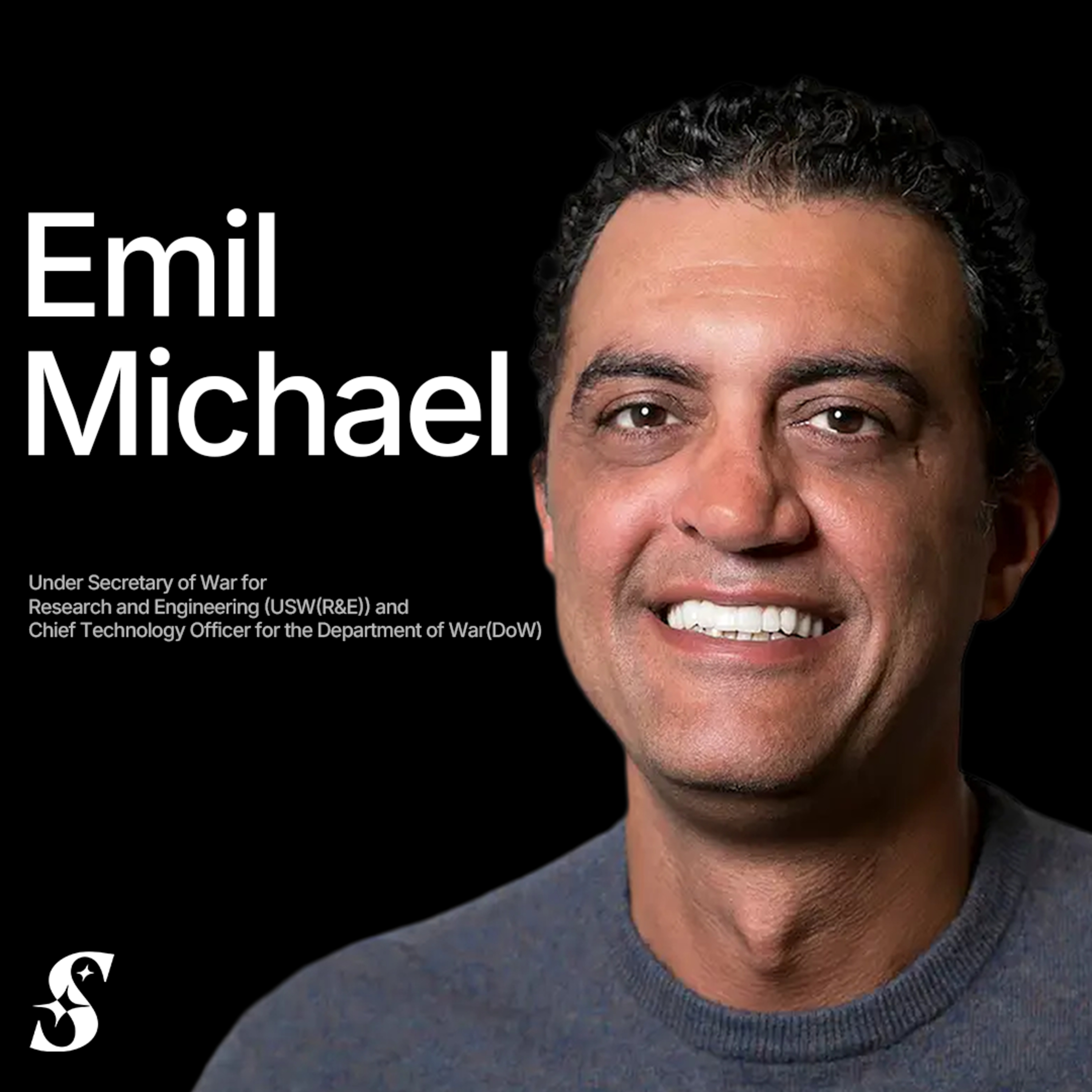
The Under Secretary of War's primary job is not just to fund technology, but to actively cultivate an ecosystem of new defense contractors. The stated goal is to create five more major companies capable of challenging established primes like Lockheed Martin, fostering competition and bringing new capabilities into the defense sector.
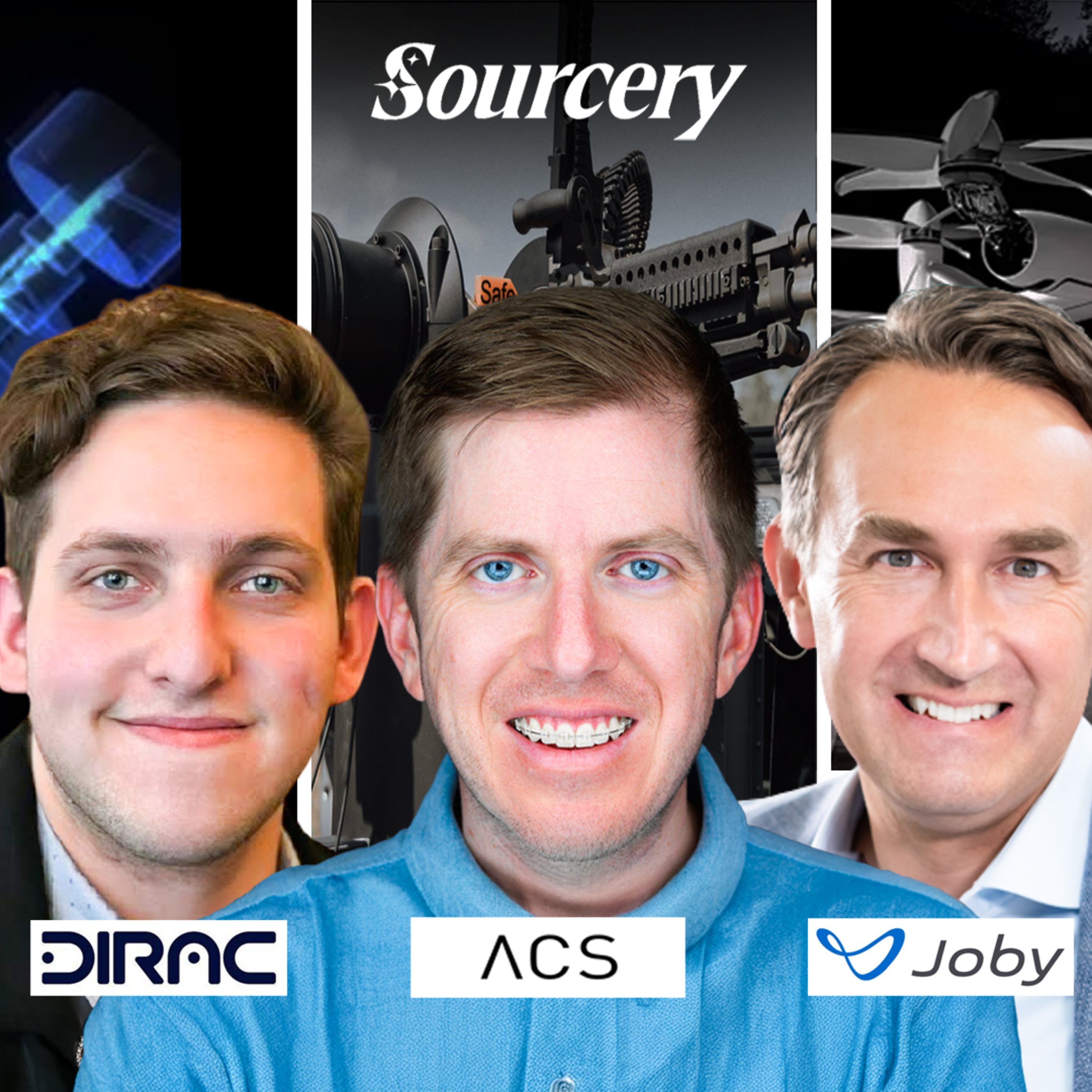
When asked how he recruits talent for a challenging hardware business, the founder of Allen Control Systems stated it's easy because 'We're making the greatest weapon system in American history.' This demonstrates that for deep tech and defense startups, a powerful and ambitious mission can be more effective than conventional recruiting strategies.
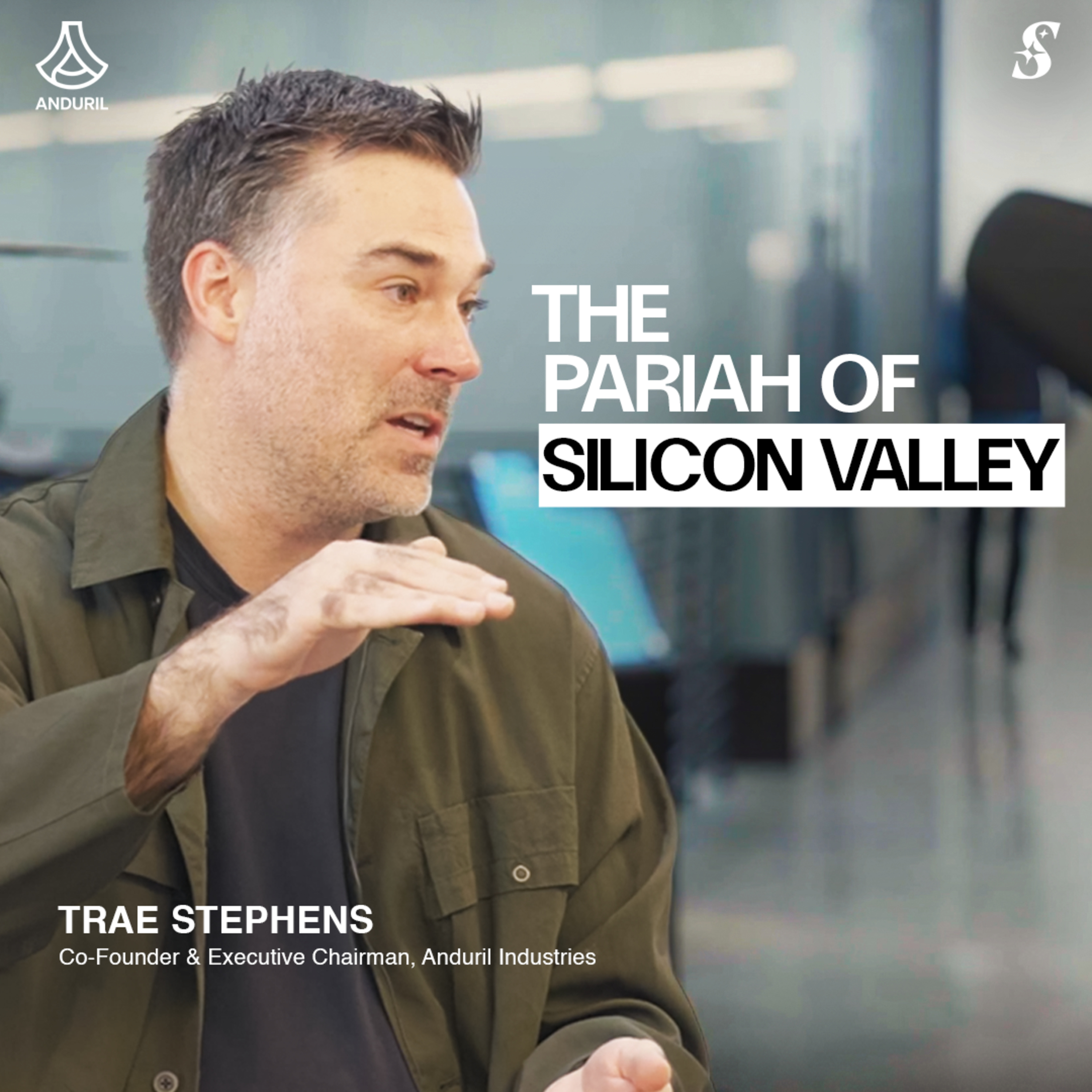
Anduril intentionally builds a strong, consumer-facing brand, not to sell products to the public, but to create a "Halcyon call" for talent. By hiring marketing and design leads from companies like Snap and Hulu, they make defense work appealing to world-class individuals who would otherwise never consider the industry.
Tech companies often use government and military contracts as a proving ground to refine complex technologies. This gives military personnel early access to tools, like Palantir a decade ago, long before they become mainstream in the corporate world.

The defense tech sector is experiencing a perfect storm. This 'golden triangle' consists of: 1) Desperate customers in the Pentagon and Congress seeking innovation, 2) A wave of experienced founders graduating from successful firms like SpaceX and Anduril, and 3) Abundant downstream capital ready to fund growth.

In Formula 1, only the top 30% of drivers (6 of 20) can win a championship, and only if they are in one of the top 10% of cars (2 of 10). This specific ratio from McLaren's CEO highlights that in high-performance fields, investing in elite tools is a non-negotiable prerequisite for top talent to succeed.

The very best engineers optimize for their most precious asset: their time. They are less motivated by competing salary offers and more by the quality of the team, the problem they're solving, and the agency to build something meaningful without becoming a "cog" in a machine.

The go-to-market strategy for defense startups has evolved. While the first wave (e.g., Anduril) had to compete directly with incumbents, the 'Defense 2.0' cohort can grow much faster. They act as suppliers and partners to legacy prime contractors, who are now actively seeking to integrate their advanced technology.