Get your free personalized podcast brief
We scan new podcasts and send you the top 5 insights daily.
Founders can accurately gauge an investor's future helpfulness by their actions during the pre-investment courtship phase. If an investor is unwilling to provide value when they are most motivated to win the deal, they are unlikely to be a helpful partner later on.
![Jesse Zhang - Building Decagon - [Invest Like the Best, EP.443] thumbnail](https://megaphone.imgix.net/podcasts/2cc4da2a-a266-11f0-ac41-9f5060c6f4ef/image/7df6dc347b875d4b90ae98f397bf1cb1.jpg?ixlib=rails-4.3.1&max-w=3000&max-h=3000&fit=crop&auto=format,compress)
Related Insights
In a non-control deal, an investor cannot fire management. Therefore, the primary diligence focus must shift from the business itself to the founder's character and the potential for a strong partnership, as this relationship is the ultimate determinant of success.

To win the best pre-seed deals, investors should engage high-potential talent during their 'founder curious' phase, long before a formal fundraise. The real competition is guiding them toward conviction on their own timeline, not battling other VCs for a term sheet later.
Value-add isn't a pitch deck slide. Truly helpful investors are either former operators who can empathize with the 0-to-1 struggle, or they actively help you get your first customers. They are the first call in a crisis or the ones who will vouch for you on a reference call when you have no other credibility.

Founders should press VCs on how they specifically envision working together. A strong investor can articulate a nuanced plan tailored to the team's unique needs and the founder's working style, moving beyond a generic menu of services to show true alignment and understanding of the business's goals.
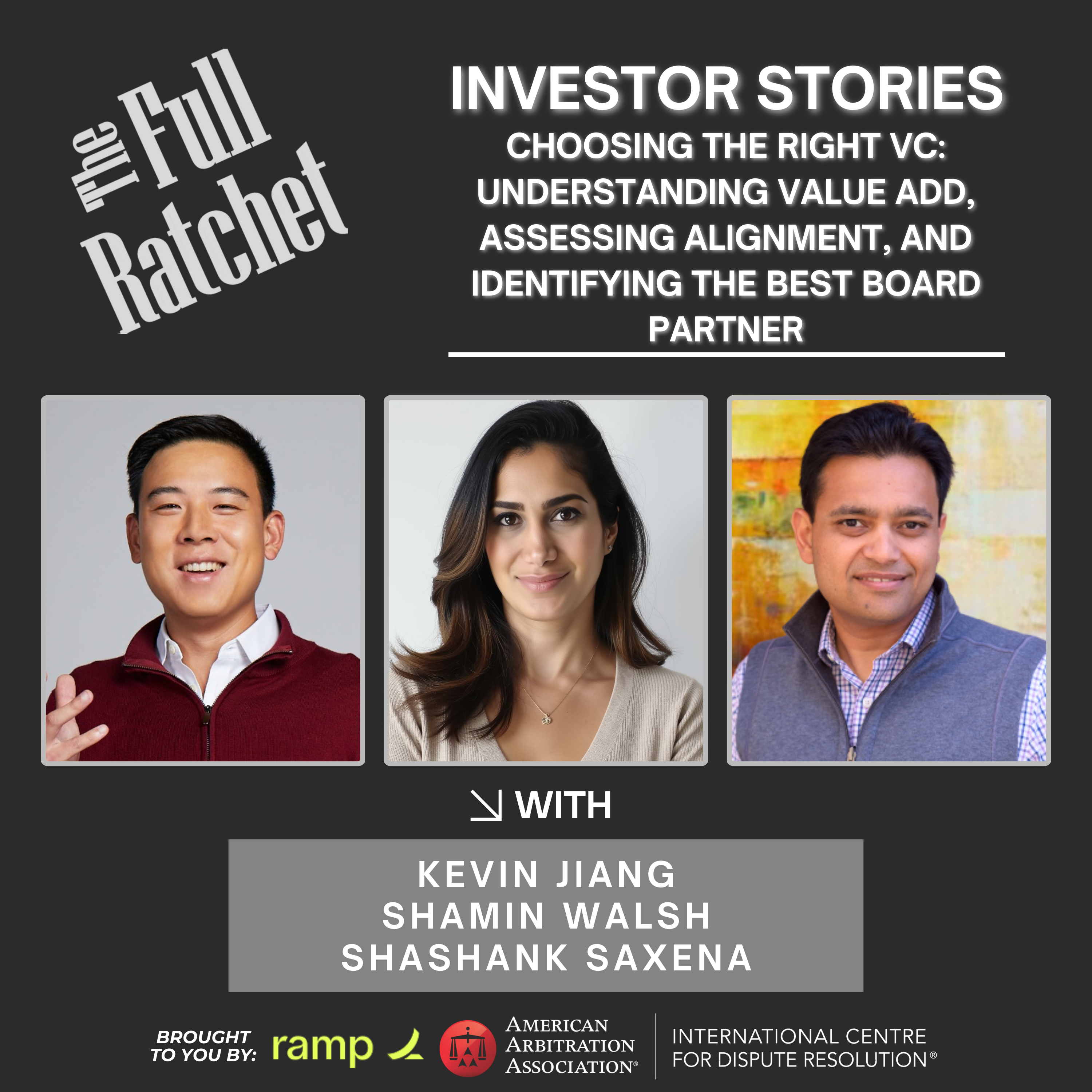
To predict the future health of a partnership, intentionally have difficult conversations before any investment is made. If you can't productively disagree or discuss serious problems before you're formally linked, it's highly unlikely you'll be able to do so when the stakes are higher post-investment.
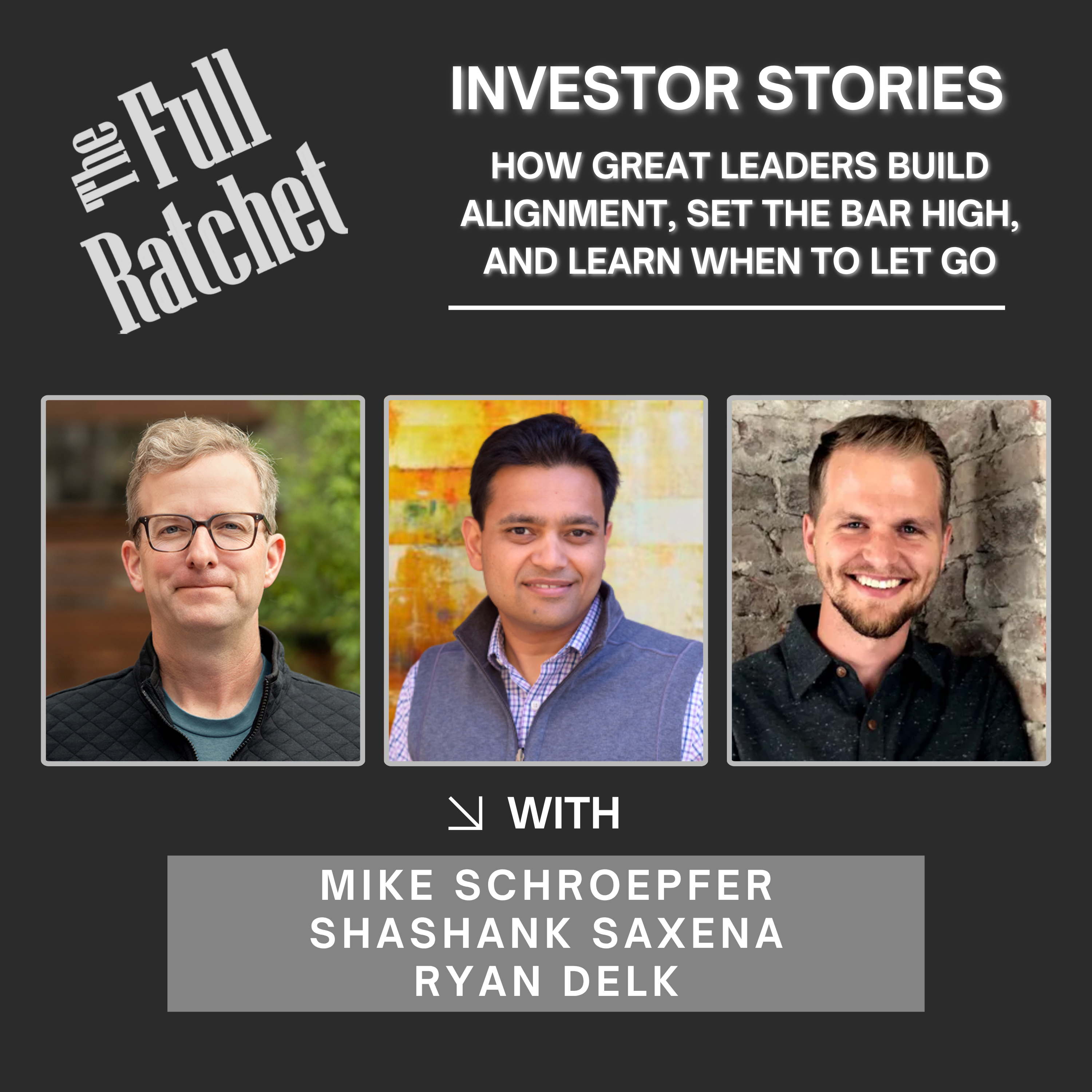
Instead of traditional pitching, TurboPuffer's CEO maintains a spreadsheet ranking potential investors on a 'tier list.' VCs earn their spot on the cap table by providing tangible value—like customer intros or strategic advice—long before a deal is discussed. This value-first approach ensures the cap table is composed of active partners.

The most fulfilling and effective angel investments involve more than capital. Founders benefit most from investors who act as operators, offering hands-on help and staying involved in the business. This approach is more rewarding and can lead to better outcomes than passive check-writing.

To win highly sought-after deals, growth investors must build relationships years in advance. This involves providing tangible help with hiring, customer introductions, and strategic advice, effectively acting as an investor long before deploying capital.
![David George - Building a16z Growth, Investing Across the AI Stack, and Why Markets Misprice Growth - [Invest Like the Best, EP.450] thumbnail](https://megaphone.imgix.net/podcasts/8da7dbd8-ceeb-11f0-941c-ef83bcdd4c9f/image/d44107bc94719f78fbe91befb141073e.jpg?ixlib=rails-4.3.1&max-w=3000&max-h=3000&fit=crop&auto=format,compress)
Rather than imposing processes after investing, VCs can use frameworks like the "sales sprint" as a pre-investment litmus test. Sharing the approach and observing the founder's reaction reveals their mindset. A founder who is eager to adopt a disciplined, customer-centric process is a stronger bet than one who must be forced into it.

To build immediate trust and demonstrate value, QED partners engage with founders by simulating a board-level conversation from the first meeting. This "pretend I'm your investor" approach showcases their expertise and builds rapport, proving their founder-friendliness rather than just promising it.
