Get your free personalized podcast brief
We scan new podcasts and send you the top 5 insights daily.
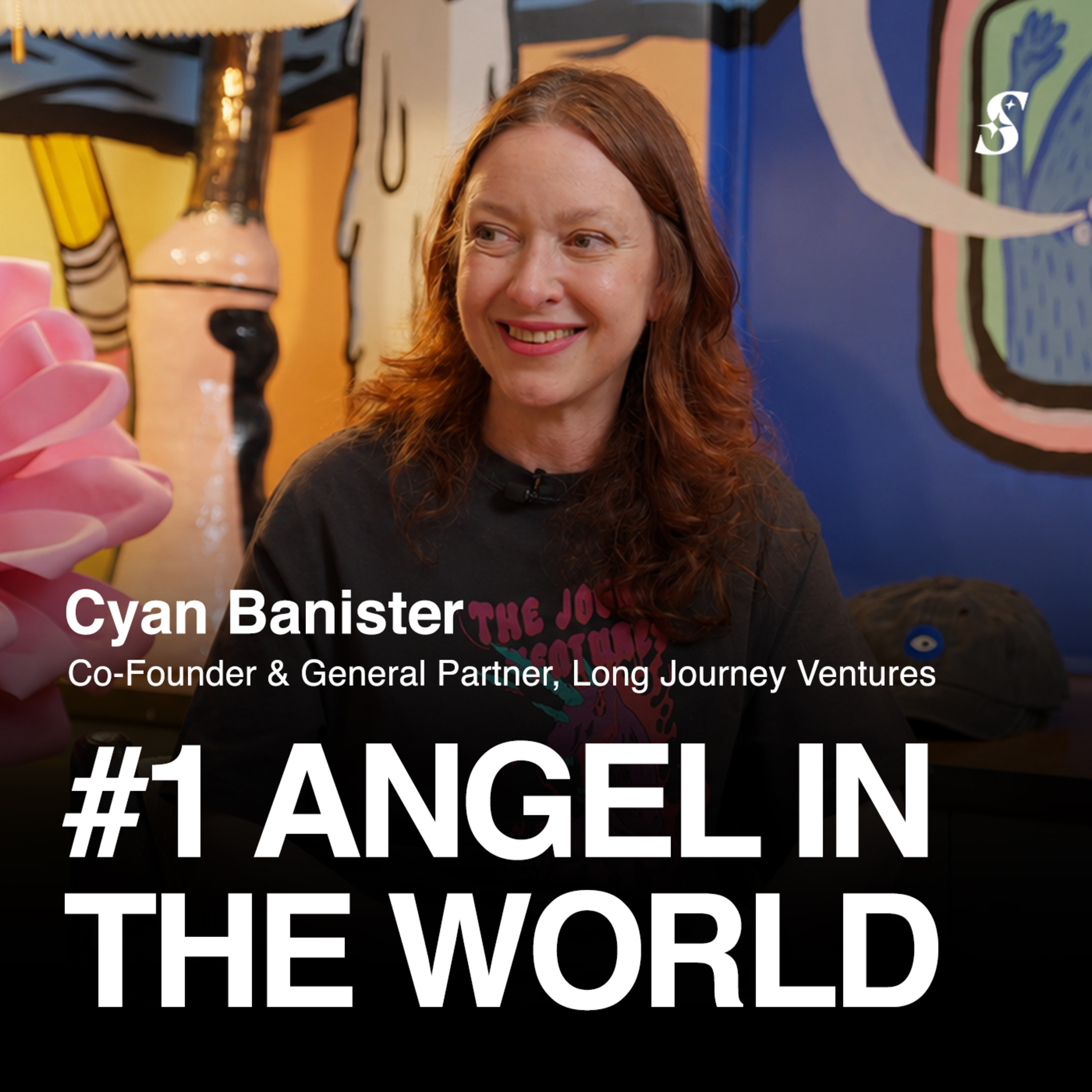
The opportunity to invest in Pokémon Go creator Niantic came from Banister noticing the game "Ingress" in support tickets for her unrelated portfolio company, Hintwater. This revealed a hidden business connection, highlighting the power of peripheral awareness.
Related Insights
Despite being hired as a semiconductor expert at USVP, Hamid realized the future was in software by observing his peers and attending Web 2.0 events after work. He taught himself the software space as a "side project," which eventually became his main focus, demonstrating the power of informal networking.

Niantic, the company behind Pokémon Go, has repurposed the vast amount of real-world image data collected by players into a valuable asset. They are now licensing this unique, sidewalk-level visual data to AI companies developing delivery bots and other real-world navigation systems.

Jared Bauer discovered his first turnaround opportunity not through formal channels, but by overhearing frustrated investors discussing a failing company while attending a college basketball game. This highlights the value of serendipity and being alert to opportunities everywhere.

Venture firms are building their own small language models trained on internal meeting notes and application data. This allows them to retroactively analyze deals they passed on to refine their investment thesis and identify companies for potential late-stage investments.

LiveKit was focused on live streaming until OpenAI secretly signed up with a personal email and built its voice interface on their platform. This unexpected use case from a major player pivoted the entire company, showing how market-defining opportunities can come from outside your target vertical.

Instead of relying on mainstream channels, Gaonkar believes change happens at the edges. She finds her most creative investment ideas by going "out in the field" to niche industry events and surveying developers on the ground, rather than just meeting with established leaders.

Success isn't linear. Mobile gaming giant Supercell didn't start with mobile games, and drone delivery firm ZipLine began with a robotic toy. This shows that foundational failures in one area can be the necessary learning experiences that lead to market-defining success in another.

With efficient discovery from accelerators like YC, the main opportunity for smaller VCs is to invest when a promising company stumbles or its re-acceleration is non-obvious. These "glitches in the matrix," where progress is non-linear, are moments where mega-funds might look away, creating an opening.

Founders Fund's preemptive investment in Nominal was driven by an 'inside view' from their other portfolio companies who were Nominal's customers. This direct feedback loop on the software's necessity gave them the high conviction to invest early and aggressively, bypassing traditional diligence.

The most potent source of new, truly cutting-edge investment opportunities isn't inbound emails or demo days, but rather the networks of the exceptional founders and scientists you've already backed. These individuals are at the frontier and can identify the next wave of talent.
![[REPLAY] Josh Wolfe – Seeing the Lux (Capital Allocators, EP.65) thumbnail](https://static.libsyn.com/p/assets/f/b/7/6/fb76e1c8bfb69e8dd959afa2a1bf1c87/CA_Square_logo_light_background_6.26.24.jpg)