Get your free personalized podcast brief
We scan new podcasts and send you the top 5 insights daily.
Despite being hired as a semiconductor expert at USVP, Hamid realized the future was in software by observing his peers and attending Web 2.0 events after work. He taught himself the software space as a "side project," which eventually became his main focus, demonstrating the power of informal networking.

Related Insights
Mamoon Hamid advises against a direct path into venture capital. He argues the best training is working at a fast-growing startup to gain firsthand experience in building, shipping, and selling a product. This operational background develops the necessary empathy for founders, which is crucial for a successful VC career.
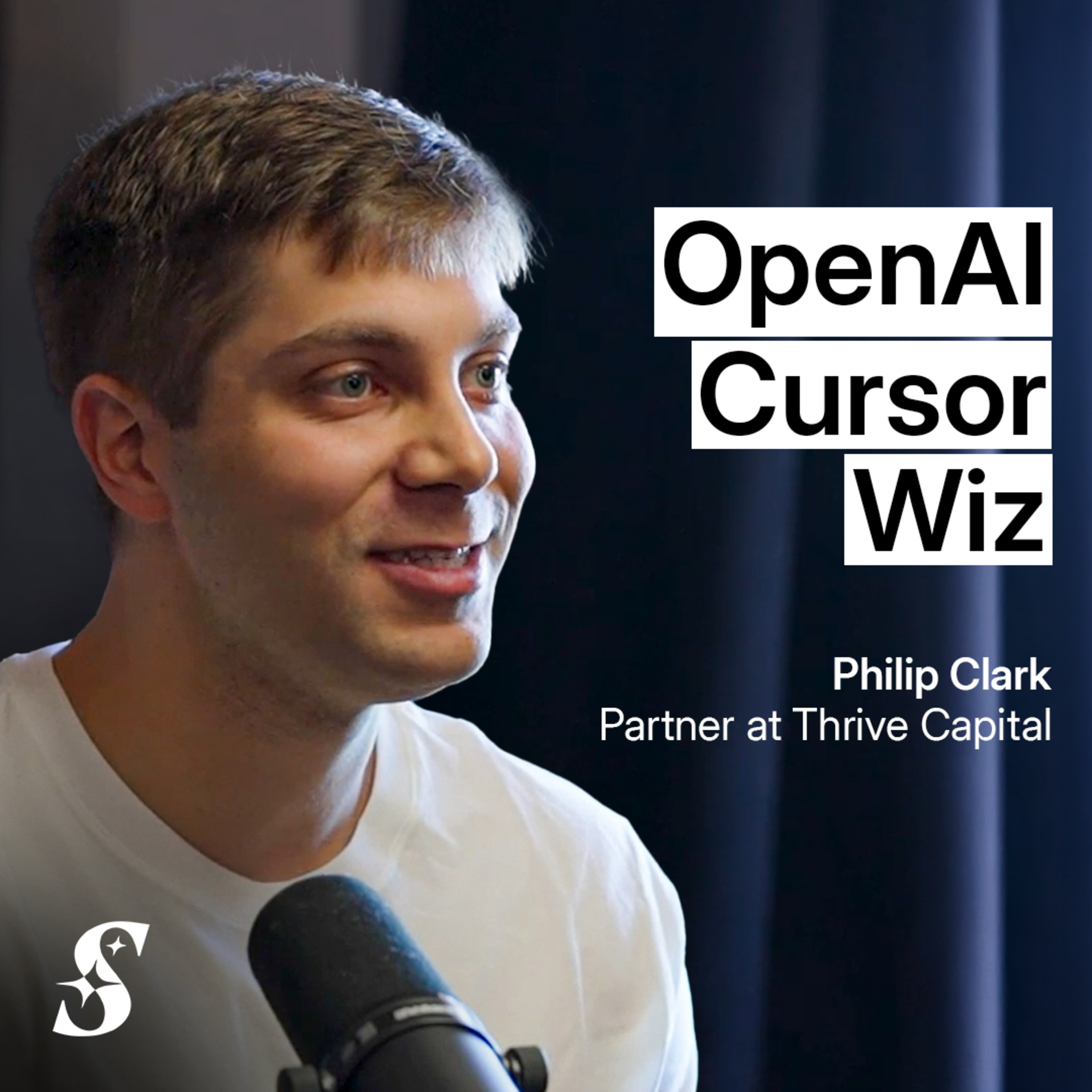
The speaker, Philip, caught the attention of Thrive's founder, Josh Kushner, by writing a niche Substack about semiconductors. This demonstrates that deep, public expertise in a specific domain can be a powerful way to network and find unique career opportunities in venture capital.
Early in his career, the podcast host couldn't afford expensive conference tickets. He would hang out in the lobbies of these events to meet influential figures like Bill Gates and Michael Dell, a scrappy networking strategy he calls "lobby crashing."

In VC, where being wrong is the norm (80%+ of the time), the most critical trait is not righteousness but deep curiosity. This learning-first mindset is what uncovers non-obvious opportunities and allows investors to see future market shifts before they become mainstream, according to True Ventures' Jon Callaghan.

Instead of relying on mainstream channels, Gaonkar believes change happens at the edges. She finds her most creative investment ideas by going "out in the field" to niche industry events and surveying developers on the ground, rather than just meeting with established leaders.

David Rubenstein's successful second act as a TV interviewer wasn't a planned career move calculated with consultants. It emerged organically from a simple need to make his firm's investor events less boring. This highlights how the most transformative professional opportunities often arise from solving unexpected problems, not from a formal strategic plan.

Large tech conferences often foster consensus views, leading VCs to chase the same deals. A better strategy is to attend smaller, niche events specific to an industry (e.g., legal tech). This provides an information advantage and helps develop a unique investment perspective away from the herd.

While having a clear, formulaic professional identity (e.g., 'the B2B SaaS investor') helps with fundraising, being interesting and unlabelable attracts more serendipitous and potentially groundbreaking opportunities. People with diverse passions create a magnet for other interesting people and ideas.

Hamid's investment in Box taught him about "bottoms-up" software adoption in large companies. This learning directly informed his investment in Yammer, and the experience from both led him to recognize the potential of Slack, creating a compounding knowledge loop over several years.
Dan Loeb's multi-billion dollar firm didn't enter venture capital with a grand strategy. It started opportunistically by using its network to find and back one "really savvy engineer." This shows how new, successful business lines can emerge from bottom-up, person-specific bets rather than a top-down mandate.
