Get your free personalized podcast brief
We scan new podcasts and send you the top 5 insights daily.
When politicians cite falling crime rates, they may be missing the real story. Pratt argues the numbers are down because residents, frustrated by slow or nonexistent police response, have stopped reporting crimes altogether. This creates a dangerous disconnect between official data and the lived reality of public safety.

Related Insights
The chance of getting away with murder is now a coin flip. This isn't due to a single issue but a confluence of factors: witnesses won't cooperate, crime has shifted from domestic to random, digital evidence overwhelms investigators, and the most experienced detectives have retired, creating a massive skills gap.

Research from Duncan Watts shows the bigger societal issue isn't fabricated facts (misinformation), but rather taking true data points and drawing misleading conclusions (misinterpretation). This happens 41 times more often and is a more insidious problem for decision-makers.

Official fatality counts rely on media reports, which are sparse in conflict zones with poor telecommunications. This leads to severe underreporting of deaths and creates absurd data artifacts where stable countries can appear more dangerous than war-torn nations.

When communities object to surveillance technology, the stated concern is often privacy. However, the root cause is usually a fundamental lack of trust in the local police department. The technology simply highlights this pre-existing trust deficit, making it a social issue, not a technical one.
The Mexican government's headline statistic on falling murder rates is misleading. A more comprehensive analysis including 'disappeared' persons, femicides, and manslaughter reveals a much more modest, though still significant, decline. This highlights how official data can obscure the full reality of a security situation.
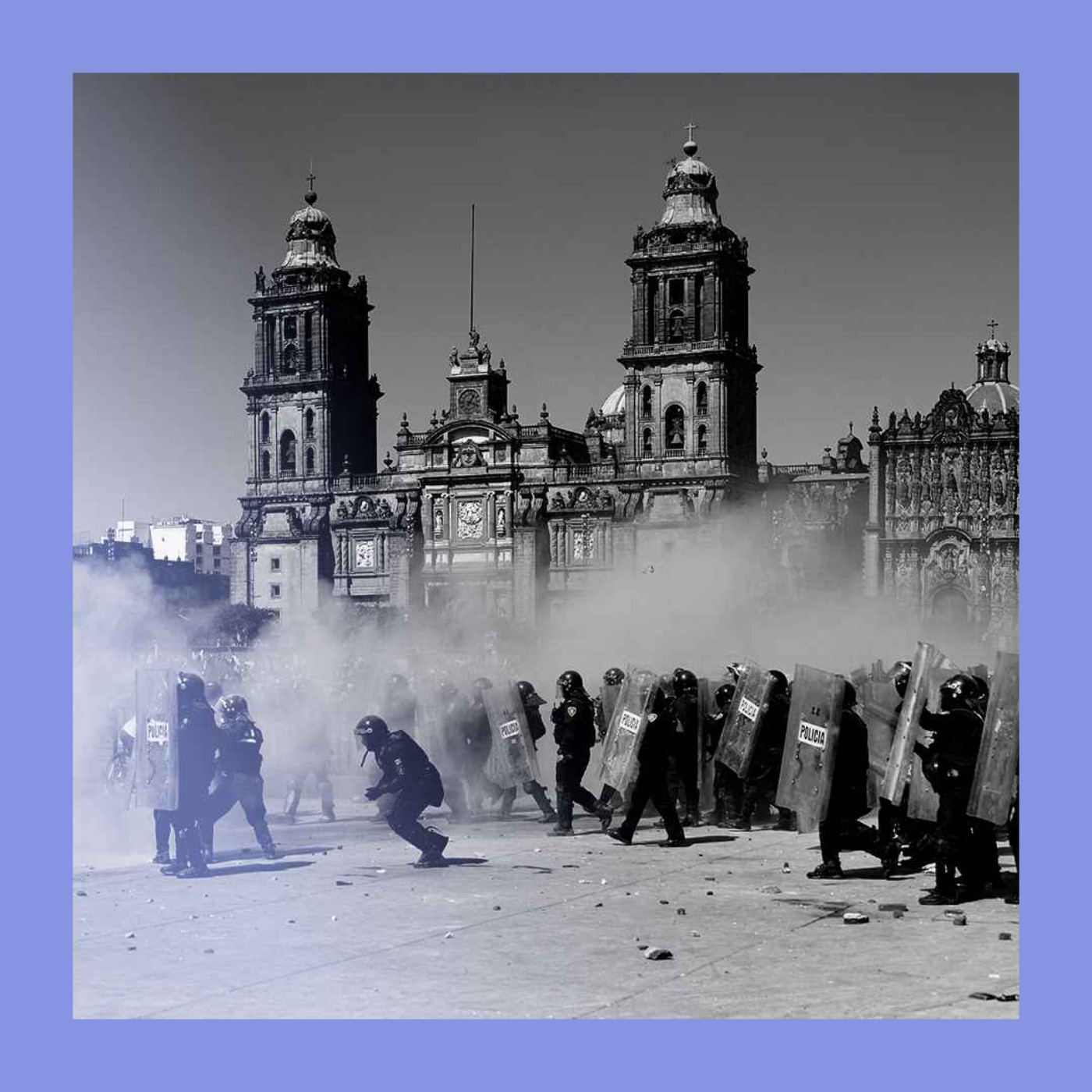
Contrary to popular belief, law enforcement in the U.S. fails to solve the majority of homicides. The national average clearance rate is only 40%. The situation is even worse for non-violent crimes like car theft, where offenders have an 85% chance of getting away with it entirely.

Despite data showing San Francisco's crime rates at a 20-year low, the public narrative was one of a city in collapse. This disconnect is fueled by visible social issues like homelessness and public drug use, creating an emotional state of fear that statistics cannot easily disprove.

There is a significant perception gap regarding safety in London. National opinion, heavily influenced by social media, deems the city dangerous, while the vast majority of residents report feeling safe locally, suggesting perception is divorced from lived experience.

There's a stark paradox between the public's perception of safety and reality. While social media and news cycles create a sense of ever-present danger, US homicide rates are falling to their lowest levels since 1900. This highlights how curated feeds can distort our understanding of societal trends.

An aggressive 'us vs. them' police culture alienates the community and can make crime worse. When officers act respectfully and build trust, residents are more likely to report crimes, share information about suspects, and call for help before disputes escalate. Improving police culture directly enhances public safety.
