Get your free personalized podcast brief
We scan new podcasts and send you the top 5 insights daily.
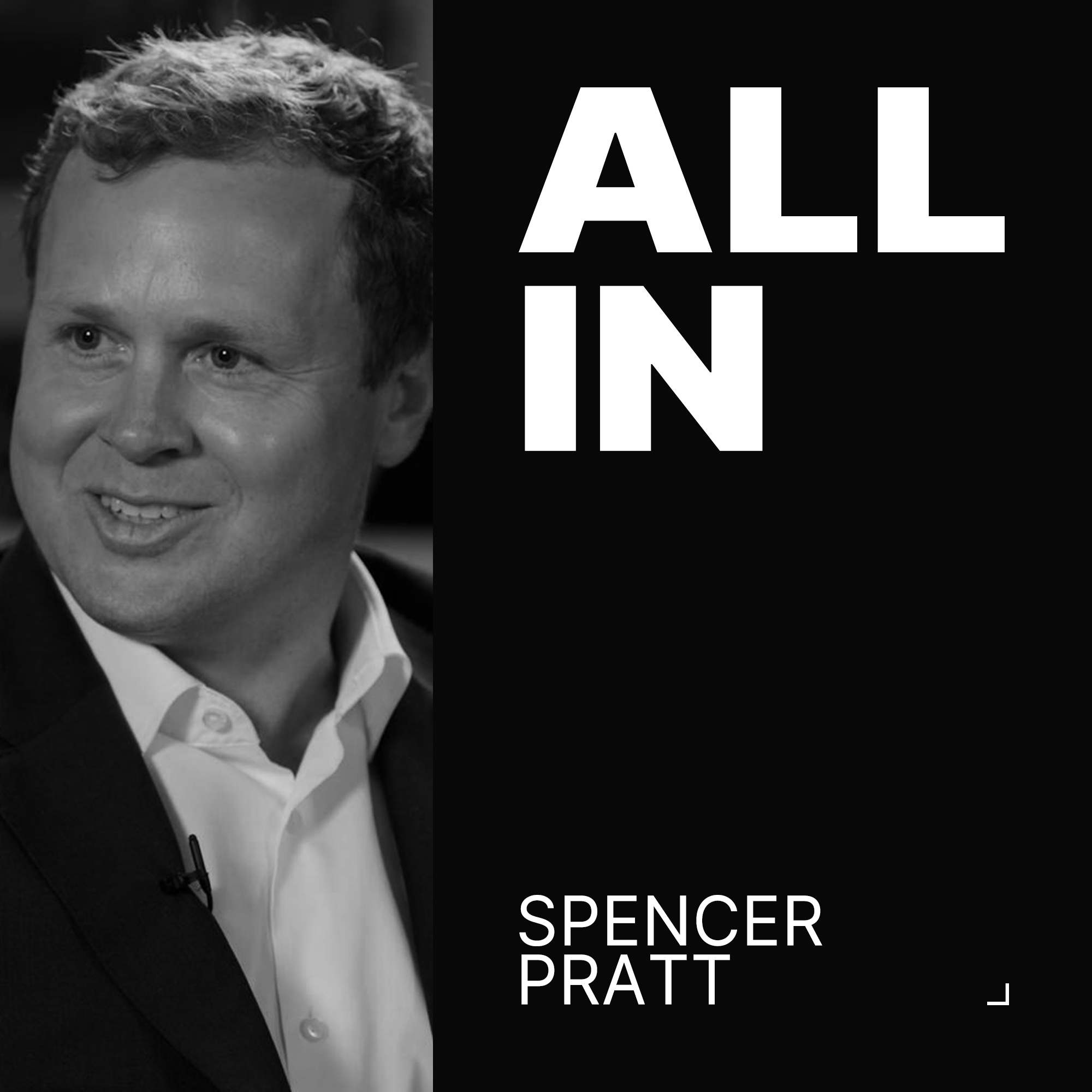
Media mogul Peter Chernan advised Spencer Pratt that a mayor's most effective lever for reviving Hollywood isn't chasing big studios, but creating a thriving ecosystem for independent filmmakers. This local-first approach can bring back jobs and creativity without relying on state-level tax policy.
Related Insights
The traditional Hollywood production model, with its bloated crews and high costs, is unsustainable. AI will drastically lower production costs while audience preferences shift to short-form video. This dual threat will force a brutal economic reckoning and consolidation.

High costs and red tape have pushed film production out of Los Angeles. Ben Affleck suggests AI tools, like generating realistic backdrops, could reverse this trend. By enabling crews to shoot a North Pole scene in a local studio, AI reduces logistical expenses, potentially making Hollywood the central, cost-effective hub for talent and production again.

Hollywood's current crisis is self-inflicted, stemming from a decades-long failure to adapt its business models and economics. Instead of innovating to compete with tech-driven services like Netflix, the industry persisted with inefficient structures and is now blaming disruptors for inevitable consumer-driven changes.
As media companies scale, they are increasingly run by finance or legal executives who prioritize pulling business levers over creative vision. This shift creates a market opportunity for smaller, passion-driven companies led by actual creators who are less focused on pure optimization.

A city's leader should operate like a CEO, optimizing for the entire municipality rather than specific factions. The primary goal should be creating economic prosperity and opportunities for all residents, from ages 18 to 90. This 'creation' mindset is more effective than political campaigns based on taking from one group to give to another.
Hollywood has been losing film productions to cheaper locations. AI-powered visual effects could slash costs by eliminating the need for on-location filming. This could make shooting in Los Angeles economically viable again, sparking a resurgence for the city as a production hub.

The potential acquisition of Warner Bros. by Paramount, backed by the power-seeking Ellison family, could paradoxically benefit Hollywood's workforce. An owner focused on ambition over immediate profits may ignite a spending war, forcing competitors to increase pay and boosting employment for writers, actors, and crew.

As major studios pull back from theatrical releases, a new opportunity emerges for cinemas. They can pivot from showing new blockbusters to becoming "revival houses" that program classic, niche, and cult films. This caters to audiences seeking curated, communal experiences beyond at-home streaming, as seen with the rise of anime screenings.

A significant trend is the migration of seasoned executives from companies like Discovery to leadership positions at studios founded by creators like Dhar Mann and Mark Rober. This infuses creator-led businesses with the strategic expertise needed to build durable, multi-platform media franchises.

A state not known for film production, Connecticut has become the top location for Hallmark holiday movies. This niche focus has created a unique economic driver, leading to a 300-mile "Hallmark movie trail" for tourists and showcasing how specialized content can create new local economies.