Get your free personalized podcast brief
We scan new podcasts and send you the top 5 insights daily.
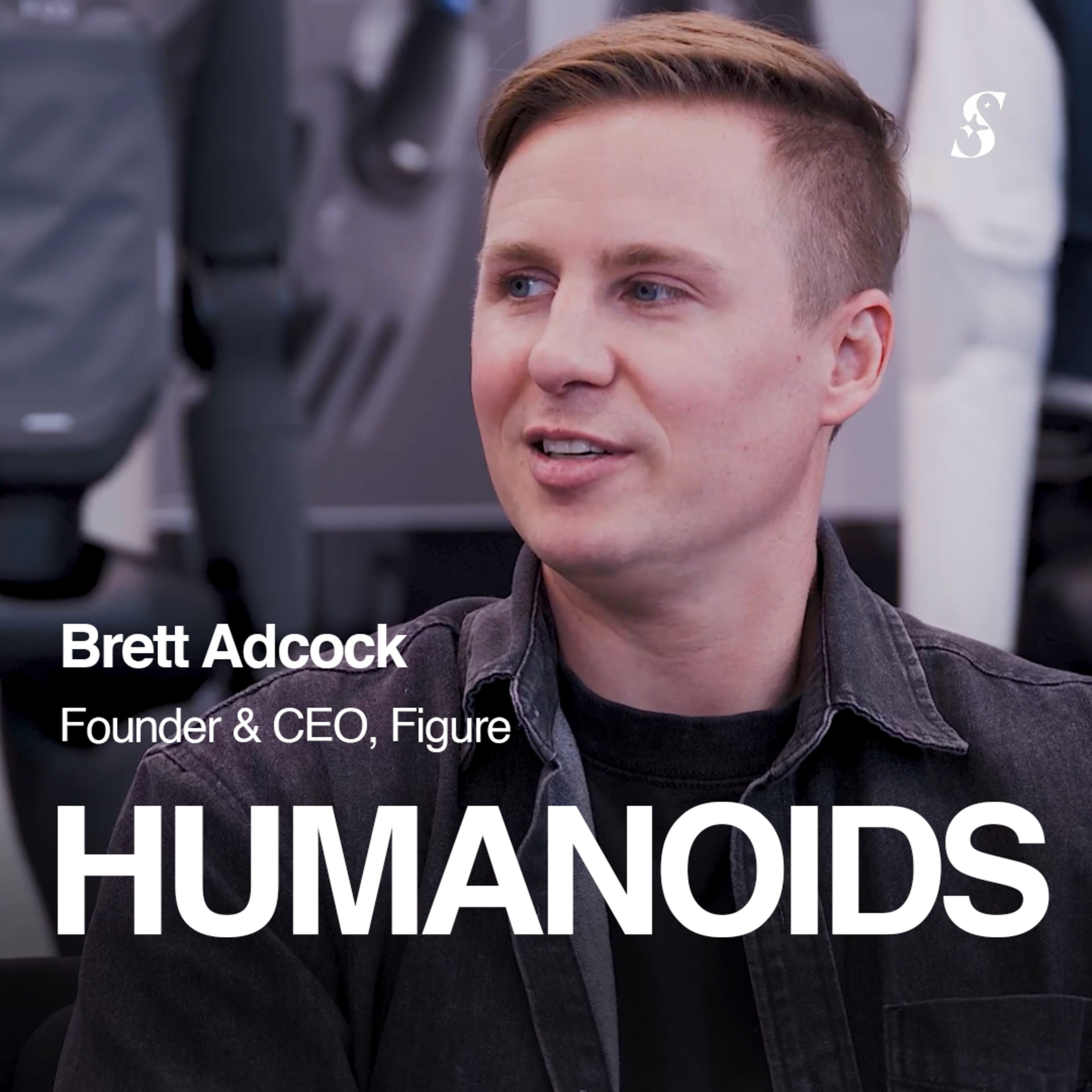
For his school safety startup, Cover, Brett Adcock didn't just license its core weapons-detection technology from NASA's Jet Propulsion Lab—he purchased the IP outright. This move secured a powerful, foundational technology moat from day one and helped him recruit the original NASA team that developed it.
Related Insights
Rather than inventing from scratch, InMedx licensed its advanced heart-rate variability algorithm from Omega Wave, a company serving pro sports teams. This allowed them to leverage a proven, precise technology and focus their resources on the higher-value activities of clinical validation and securing FDA clearance for medical use.

In the AI era, where technology can be replicated quickly, the true moat is a founder's credibility and network built over decades. This "unfair advantage" enables faster sales cycles with trusted buyers, creating a first-mover advantage that is difficult for competitors to overcome.

Instead of building a consumer brand from scratch, a technologically innovative but unknown company can license its core tech to an established player. This go-to-market strategy leverages the partner's brand equity and distribution to reach customers faster and validate the technology without massive marketing spend.

Counter to the adage that "startups shouldn't buy startups," Cursor successfully uses M&A as a core recruiting strategy. They acquire small, talented teams working on complementary problems, viewing acquisitions as a way to onboard the best people who happen to already be working on their own companies.

To speed up IP licensing from a university, founders should avoid advisors known for aggression. Instead, hire an experienced, solution-oriented advisor who already has a good relationship with the tech transfer office. They won't waste time creating bad will over impossible demands.

Oshkosh structures partnerships to own IP developed jointly with a startup, then licenses it back. This approach, outlined in the initial NDA, gives the large corporation control over patent defense while providing the startup with usage rights, often with market-specific limitations.

Deliverect's founder knew from experience that POS companies couldn't build an effective delivery integration layer, contrary to what investors believed. This non-obvious, domain-specific insight was their core strategic advantage and moat.

Joey Gilkey chose to acquire critical IP not just to save development time, but strategically to prevent larger competitors from accessing the same technology. This move created an immediate competitive moat and allowed him to dictate market access, effectively pulling up the "drawbridge."

The defensibility of complex hard tech companies doesn't rely on a single patent or technology. Instead, their moat is "novel in the aggregate"—the difficult-to-replicate integration of dozens of complex systems across design, manufacturing, supply chain, and regulation. This holistic execution is the true barrier to entry.

To build credibility for a new safety device without industry access, the founder hired a senior NASA engineer as a consultant. Leveraging expertise and simulation tools from an industry with even higher safety standards, like aerospace, provides powerful third-party validation that can overcome skepticism from incumbents.
