Get your free personalized podcast brief
We scan new podcasts and send you the top 5 insights daily.
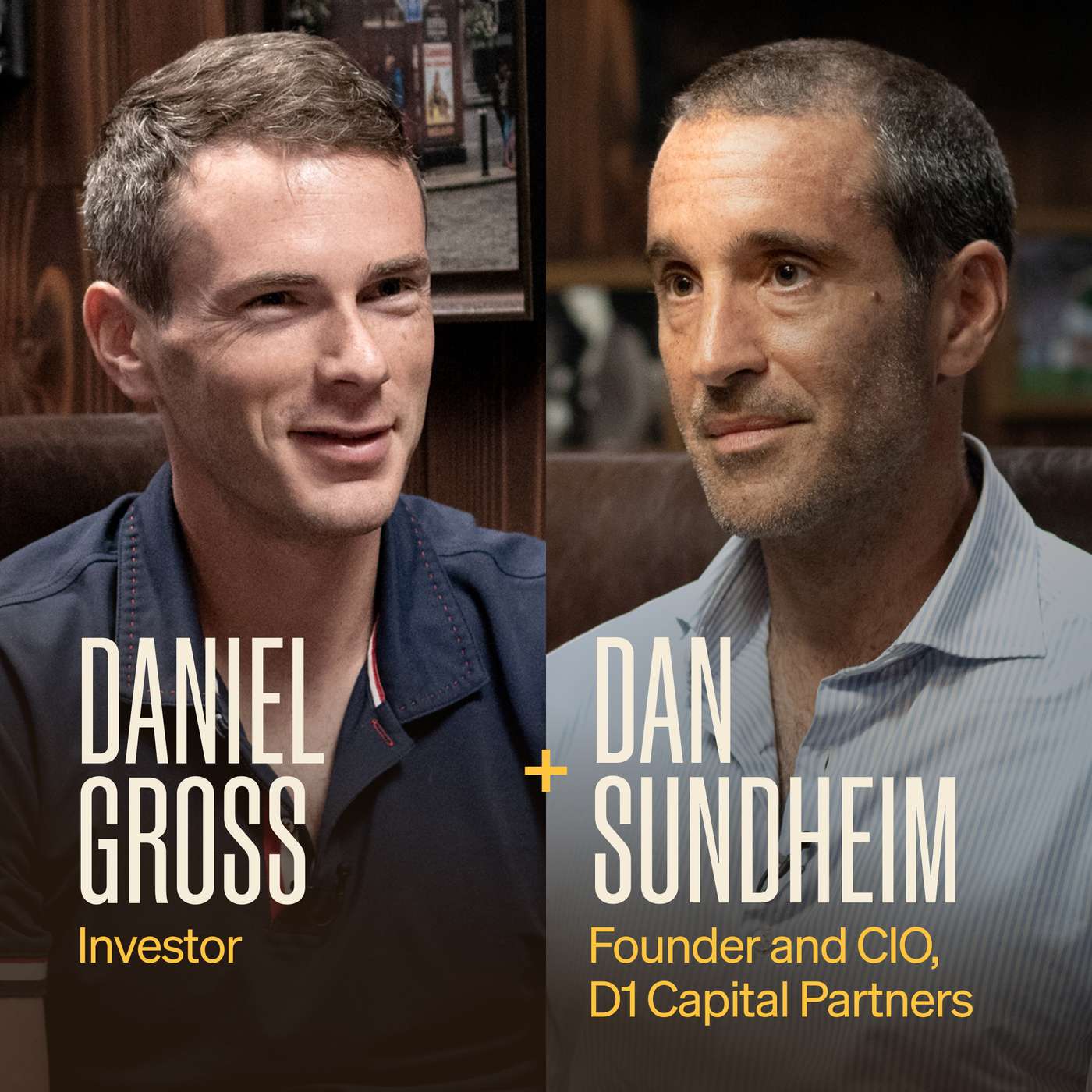
In fast-moving public markets, waiting for a full investment memo can mean missing the opportunity. D1 Capital starts buying a position while the memo is being written, using it as a final diligence check rather than a prerequisite for action. The conviction is built through dialogue long before the final document.
Related Insights
By combining public and private strategies, the firm observes that public markets react more quickly to crises. This provides predictive insights into the slower-moving private markets, creating an informational edge to anticipate cycles and opportunities before they fully materialize.

To write a billion-dollar check, a firm needs "dogmatic conviction." Thrive Capital achieves this through extremely long diligence and relationship-building periods, often spanning years. This deep familiarity, like their 10-year relationship with Stripe before a major investment, is the foundation for making huge, concentrated bets.

True understanding of a business often comes only after owning it. Taking a small (e.g., 1%) starter position can initiate the research process and shift your perspective from a casual observer to a critical owner, revealing nuances and risks not apparent from the outside.

Unlike committees, where partners might "sell" each other on a deal, a single decision-maker model tests true conviction. If a General Partner proceeds with an investment despite negative feedback from the partnership, it demonstrates their unwavering belief, leading to more intellectually honest decisions.

With fundraising rounds closing in weeks instead of months, investors can no longer conduct exhaustive diligence on every detail. The process has become more efficient by treating the current business model as table stakes and focusing limited time on underwriting the core thesis for future, non-obvious growth.
D1 Capital avoids hiring experienced public market investors, preferring to recruit from private equity. PE professionals have strong analytical foundations but lack ingrained public market habits, making it easier to teach them D1's specific investment philosophy, despite a three-year ramp-up time.
Before committing capital, professional investors rigorously challenge their own assumptions. They actively ask, "If I'm wrong, why?" This process of stress-testing an idea helps avoid costly mistakes and strengthens the final thesis.

The romanticized idea of a dramatic "investment committee" meeting is a myth. The most effective investment process is collaborative and iterative, where an idea is pitched early and gains momentum across the firm over time. The formal meeting becomes a rubber stamp for a decision that has already been organically reached.

The most sought-after YC companies have rounds that fill and oversubscribe on the first day of fundraising, often within hours. This extreme velocity means VCs who require multiple meetings or lengthy diligence will lose the deal, necessitating a process built for one-call decisions.

Most VCs "gather" by networking broadly. QED advocates for "hunting": identifying a single, high-conviction company and relentlessly pursuing an investment. This shifts the mindset from passively waiting for inbound leads to proactively targeting the absolute best opportunities long before a formal fundraise begins.
