Get your free personalized podcast brief
We scan new podcasts and send you the top 5 insights daily.
Facing a cash crisis from overspending on agencies and consultants, the founders stripped the business back to its basics. They cut all ads, used a single Canva email template, and focused solely on organic social and influencer marketing, which saved the company.

Related Insights
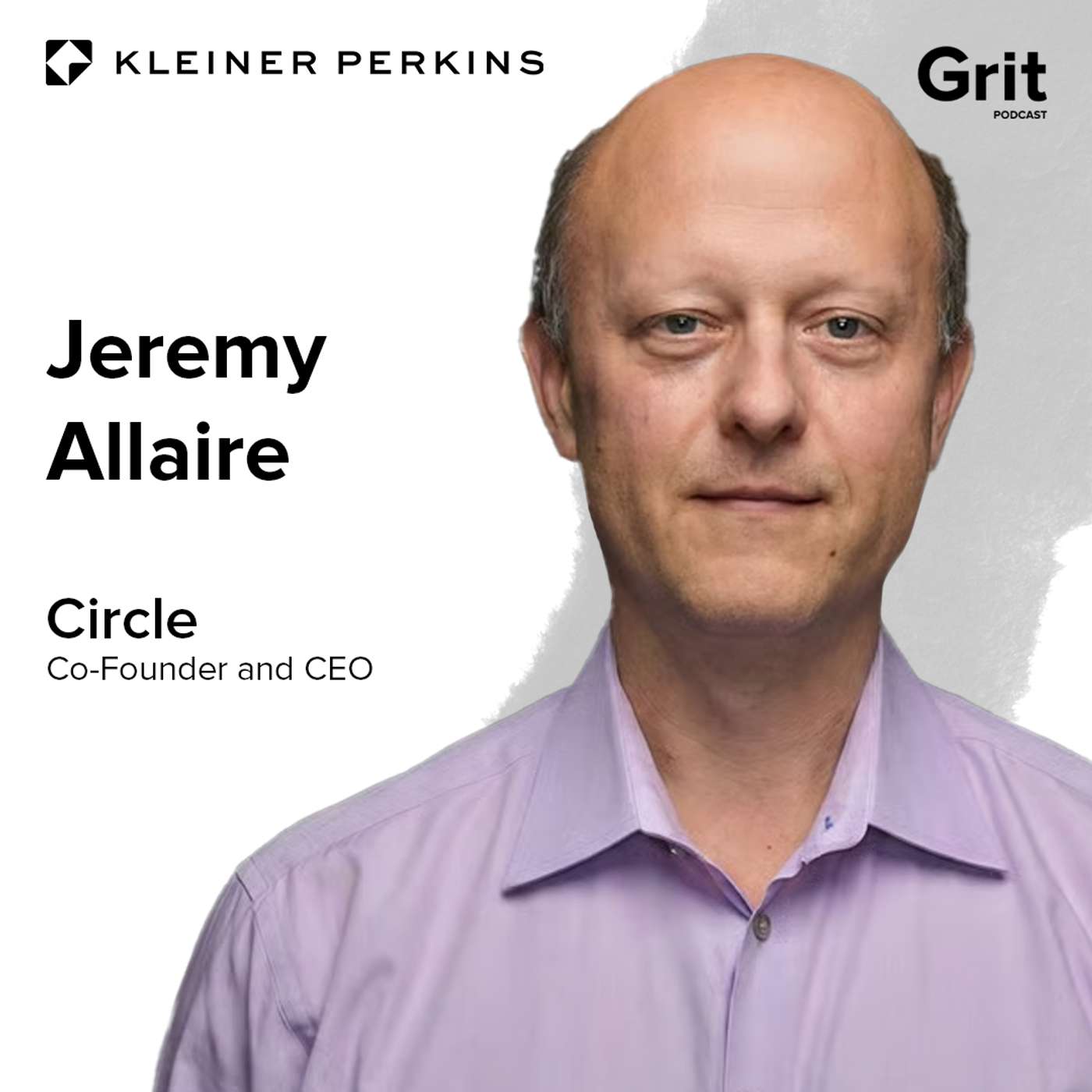
Facing a potential shutdown in 2019, Jeremy Allaire made the brutal decision to sell off non-core business units and reduce headcount from 450 to 59. This extreme focus on the core USDC product, despite the pain, saved the company and fueled its subsequent explosive growth.
Instead of choosing between going all-in or shutting down a struggling business, consider a hybrid approach. The founder can return to a full-time job for financial stability, turning the venture into a side hustle. This reduces pressure while allowing them to use targeted, low-cost marketing to rebuild demand and potentially scale back up later.

An agency owner found that saying 'yes' to every client request created a confusing 'Frankenstein of services.' He simplified his business to focus solely on Facebook ads—the service that delivered the best results and longest client retention—which dramatically improved his agency's focus and efficiency.

The old strategy of maintaining a presence on every social platform is impractical due to team consolidation and content saturation. A focused approach on 2-3 core channels allows for higher quality creative, better engagement, and stronger community building.

Upon joining, a new marketing leader at Common Room cut the marketing budget in half by eliminating low-impact activities like a generic content agency and events. This freed up resources to double down on promising areas, resulting in a 30-50% pipeline increase the following quarter, proving that strategic cuts can fuel growth.

After finding paid ads on Meta were designed to be barely profitable, the founder stopped them entirely. She now focuses on organic marketing, using her personal story on Instagram and a strong email list to build a loyal customer base more profitably.

In a resource-constrained environment, growth is found by improving and connecting existing channels, not by launching new ones. Re-architect your current marketing activities—like paid ads and field events—to work together to create a unified customer journey, rather than chasing the next shiny object.

Facing a major inventory shortage six months in, Grüns slashed its marketing budget by 93% overnight. This protected their existing subscriber base, reinforcing the 'golden rule' that for a daily habit product, retaining current customers by never going out of stock is more important than acquiring new ones.

When a business is struggling with multiple revenue streams, the best strategy is to simplify. By cutting underperforming or noisy channels, you can amplify your focus on the one or two profitable areas. This distillation creates the clarity needed to stabilize and eventually rebuild the business.

A smaller marketing budget can defeat a much larger one by investing in high-volume, low-cost organic social media. This strategy leverages platform algorithms to achieve massive reach that would otherwise require millions in ad spend, thus neutralizing a competitor's financial advantage.