Get your free personalized podcast brief
We scan new podcasts and send you the top 5 insights daily.
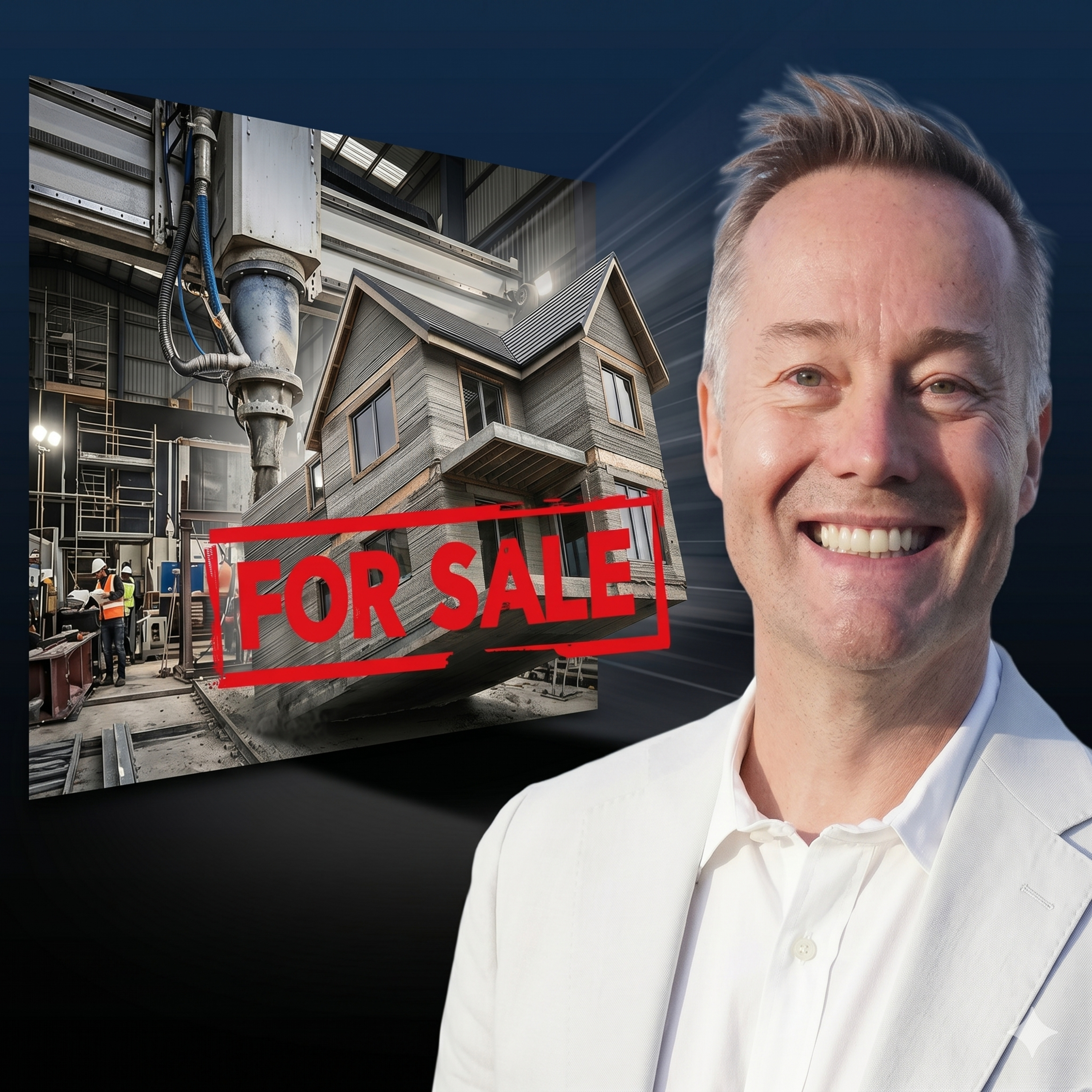
ICON's long-term strategy isn't just to be a construction company but a technology provider. By selling their new multi-story printers to other builders and channel partners, they can scale their impact on the global housing crisis much faster than by building every home themselves.
Related Insights
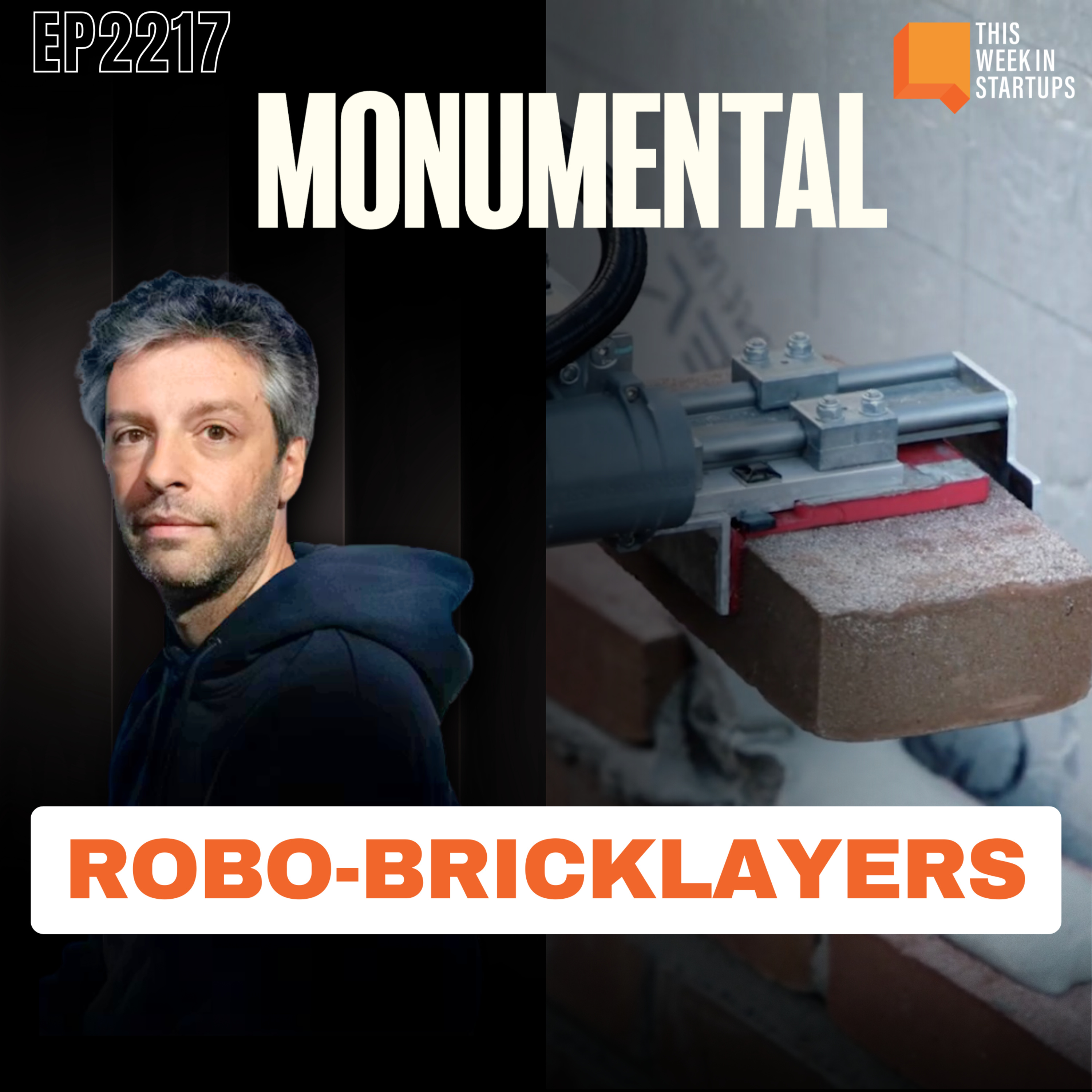
To overcome the construction industry's conservatism, Monumental operates as a subcontractor. This model is easier to sell than a large capital expenditure like a robot, as it fits existing project budgets and workflows, de-risking adoption for general contractors.
For military applications, ICON found that speed of deployment and durability ('survivability') are more critical than cost savings. Their tech also reduces the need for complex supply chains and skilled labor in remote, hostile environments, a key advantage for defense customers.
True business innovation lies in redefining a company's role beyond selling a product. Chinese appliance giant Haier now builds "ecosystems" around its goods—a food ecosystem for refrigerators or a clothing care system for washing machines—by partnering with other companies and empowering employees.
ICON recognized that digital architecture combined with a fluid building material (concrete) breaks the traditional link between complexity and cost. A beautiful, curved wall costs the same to print as a simple square one, reintroducing aesthetic aspiration into affordable housing without raising the price.
Large enterprises don't buy point solutions; they invest in a long-term platform vision. To succeed, build an extensible platform from day one, but lead with a specific, high-value use case as the entry point. This foundational architecture cannot be retrofitted later.

Zuru Tech, the third-largest toy company, is applying its deep expertise in Chinese manufacturing and automation to homebuilding. They use AI for design and permitting, then robotically construct homes in factories—a model where many Silicon Valley companies have failed.

Believing the construction industry wouldn't adopt new software alone, EquipmentShare built a vertically integrated equipment rental business on top of their own tech platform. This allowed them to control the entire stack, demonstrate value, and drive change in a resistant market.

After proving its technology in high-value, single-site deployments like one aircraft carrier or oil rig, Armada's growth strategy is to expand across its customers' entire asset portfolios. This "land and expand" model moves the company from bespoke projects to scaled, repeatable deployments.

After proving a new manufacturing platform with one profitable industrial facility, the fastest path to market-wide adoption is licensing the technology to established players. This trades maximum per-unit profit for speed and scale, leveraging partners' existing infrastructure.

The American Housing Corporation uses a factory-based manufacturing process to create home panels that can be shipped and assembled anywhere. Co-founder Bobby Fijan explains this model allows them to offer a fixed price for the core structure, detaching the cost from wildly variable local construction labor markets in places like San Francisco or Houston.
