Get your free personalized podcast brief
We scan new podcasts and send you the top 5 insights daily.
The podcast trailer signals its storytelling approach by mixing macro topics like AI and party agendas with tangible, on-the-ground reporting snippets, such as riding in a flying taxi. This method makes complex geopolitical issues relatable and accessible through personal, human-scale stories.

Related Insights
Streaming services and cable news need cheaper content. Podcasts, which are essentially TV shows with a lower-cost production model, provide the perfect solution. Repurposing popular podcasts for television offers a huge arbitrage opportunity, allowing networks to fill airtime at a fraction of the traditional cost.

The podcast's chief China correspondent is based in Taipei, not Beijing, while another correspondent remains in the capital. This staffing structure is a telling adaptation to the increasingly restrictive environment for foreign journalists in mainland China, allowing for both inside access and outside perspective.
The NYT's audio strategy succeeds by creating intimate, personality-driven shows that feel like a friend explaining the news. This approach makes complex stories accessible, opening up entirely new engagement patterns and audiences beyond traditional readership.
Gladwell observes that audio is inherently better at conveying emotion than detailed analysis, which often gets edited out of his podcasts. He suggests this cultural shift from written to oral mediums changes how stories are told and understood, favoring feeling over complex facts.

Most communicators mistakenly focus on the medium (podcasts, TV, blogs). The most leveraged approach is to first craft an irresistible hook and a compelling story. True distribution power is achieved when an idea becomes so interesting that people cannot help but share it themselves.

The podcast's structure deliberately combines a quick, valuable tip (the 'work question') with an unrelated, personal anecdote (the 'ridiculous question'). This formula delivers immediate value while also building a human connection with the host, making the content more engaging and memorable for listeners.

Blockworks is focusing its distribution on podcasts and newsletters to cultivate an "owned" audience with high loyalty. This is a strategic pivot away from relying on news-driven website visits, which constitute a less predictable "rented" audience that is harder to monetize for new data products.

Don't view a podcast just as an audio destination. Treat it as a system for generating social content. Creating a format where an action occurs simultaneously—like kayaking or eating hot wings—makes the content inherently more visual, shareable, and interesting for video-first social feeds.

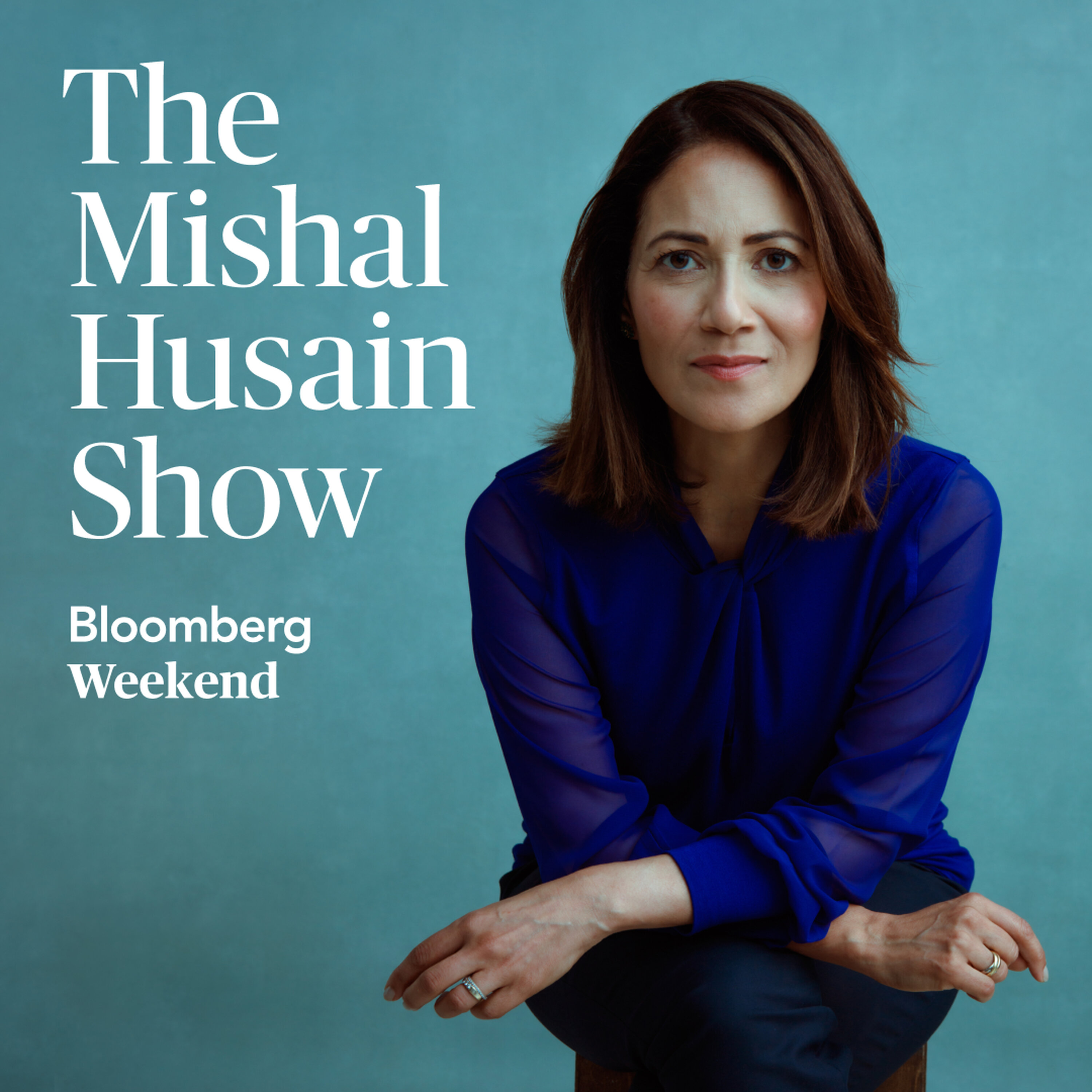
Mishal Husain strategically launches her podcast by dedicating the opening to her 20-year BBC career. This isn't just biography; it's a direct transfer of institutional credibility and audience trust from a legacy brand to her new, personal media venture, immediately establishing authority in a crowded market.
A successful content strategy for a specialized audience involves variation. The hosts highlight both high-level "elephant hunter" episodes and unusually narrow, tactical deep dives like "pipeline generation." This blend caters to different learning needs and demonstrates a breadth of expertise.
