Get your free personalized podcast brief
We scan new podcasts and send you the top 5 insights daily.
A successful content strategy for a specialized audience involves variation. The hosts highlight both high-level "elephant hunter" episodes and unusually narrow, tactical deep dives like "pipeline generation." This blend caters to different learning needs and demonstrates a breadth of expertise.

Related Insights
Instead of only creating content, actively invite your ideal, high-value clients to be guests on your podcast. This strategy serves as a highly effective, low-resistance form of outbound sales, leading to direct conversations with key decision-makers and high show rates.

Contrary to the 'niche down' mantra, discussing diverse personal interests (like sports or hobbies) creates more attachment points for your audience. This broad appeal can indirectly strengthen your core business by building a multi-faceted personal brand that people connect with on different levels.

Stop worrying that producing both high-level 'sizzle' content and deep, technical content will make you seem inconsistent. Your audience is not a monolith. This 'and' approach appeals to different segments and creates more connection points, rather than alienating anyone.
Instead of maintaining a constant high volume, use it strategically in bursts to quickly acquire data on audience preferences. This “accordion method” allows you to discover what resonates, then contract your efforts into fewer, more in-depth pieces. This balances rapid learning with high-quality production for greater impact.

Instead of only creating content for your audience, use your podcast as an outbound sales channel. Invite high-value potential customers (whales) to be guests. This approach dramatically increases response and show-up rates for sales conversations, as you are offering them value and exposure first.
Researching abandoned podcasts within your niche is a strategic way to uncover content gaps and audience demand. By searching keywords your ideal listeners use, you can identify topics that were popular but are no longer being served, providing a roadmap for your first dozen episodes.

To deeply understand your buyer's world, consume the content they consume. A top AE listened to an M&A industry podcast—not a sales podcast—which gave him the credibility and specific language to engage a senior executive. This builds authentic expertise that generic sales training cannot provide.

Instead of reactively chopping up content, strategically pre-plan podcast episodes to capture specific quotes and segments. This ensures you create assets perfectly suited for repurposing across diverse channels, from social media to printed annual reports, maximizing your investment.
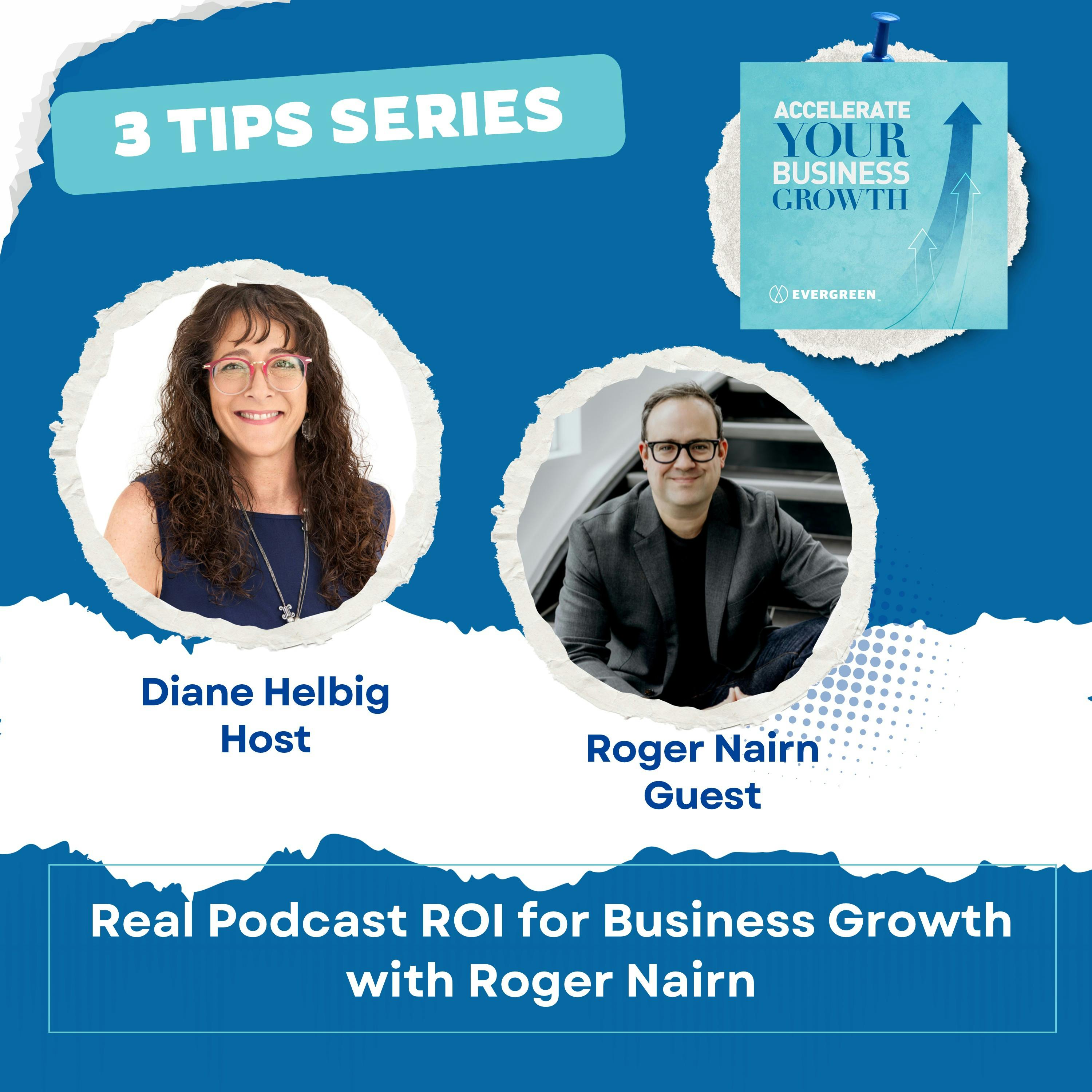
Instead of only featuring industry celebrities on your B2B podcast, strategically interview your ideal customers. The insights and language they use can be repurposed into highly effective ad creative and sales collateral that resonates directly with other potential buyers, turning content into a direct sales tool.
The 'Grit' podcast wasn't created for general brand building. It was a targeted solution to a specific problem: Kleiner Perkins needing to identify and build relationships with the best CROs for their portfolio companies. This reframes content creation from a marketing activity to a strategic, problem-solving mechanism.
