Get your free personalized podcast brief
We scan new podcasts and send you the top 5 insights daily.
Blockworks is focusing its distribution on podcasts and newsletters to cultivate an "owned" audience with high loyalty. This is a strategic pivot away from relying on news-driven website visits, which constitute a less predictable "rented" audience that is harder to monetize for new data products.

Related Insights
Unlike ephemeral social media posts, a podcast's episode library is an evergreen asset. The speaker notes that 50% of her monthly downloads come from old episodes, creating a system that generates value 24/7 and compounds over time, long after the initial creation effort.

Before launching its website, Escape Collective used a Substack and a podcast to consolidate its founding team's disparate social media followings. This created a single, owned communication channel to build an email list and announce the launch directly to their core audience.

The NYT's audio strategy succeeds by creating intimate, personality-driven shows that feel like a friend explaining the news. This approach makes complex stories accessible, opening up entirely new engagement patterns and audiences beyond traditional readership.
Treat your podcast as a trust-building engine with the primary goal of converting listeners into email subscribers. Downloads are a vanity metric on a rented platform; an owned audience on an email list is a controllable asset that enables long-term, sustainable business growth.

In an AI-driven world, optimizing for website traffic is a losing game. A better long-term strategy is to create high-value content (podcasts, videos, newsletters) across various platforms. This approach helps people directly and simultaneously feeds the large language models that are increasingly becoming information gatekeepers.
A podcast isn't just content; it's a tool for building parasocial relationships. This creates a "tuning fork" effect, attracting high-caliber listeners and guests who feel they already know you, leading to valuable real-world connections and opportunities.

Instead of reactively chopping up content, strategically pre-plan podcast episodes to capture specific quotes and segments. This ensures you create assets perfectly suited for repurposing across diverse channels, from social media to printed annual reports, maximizing your investment.
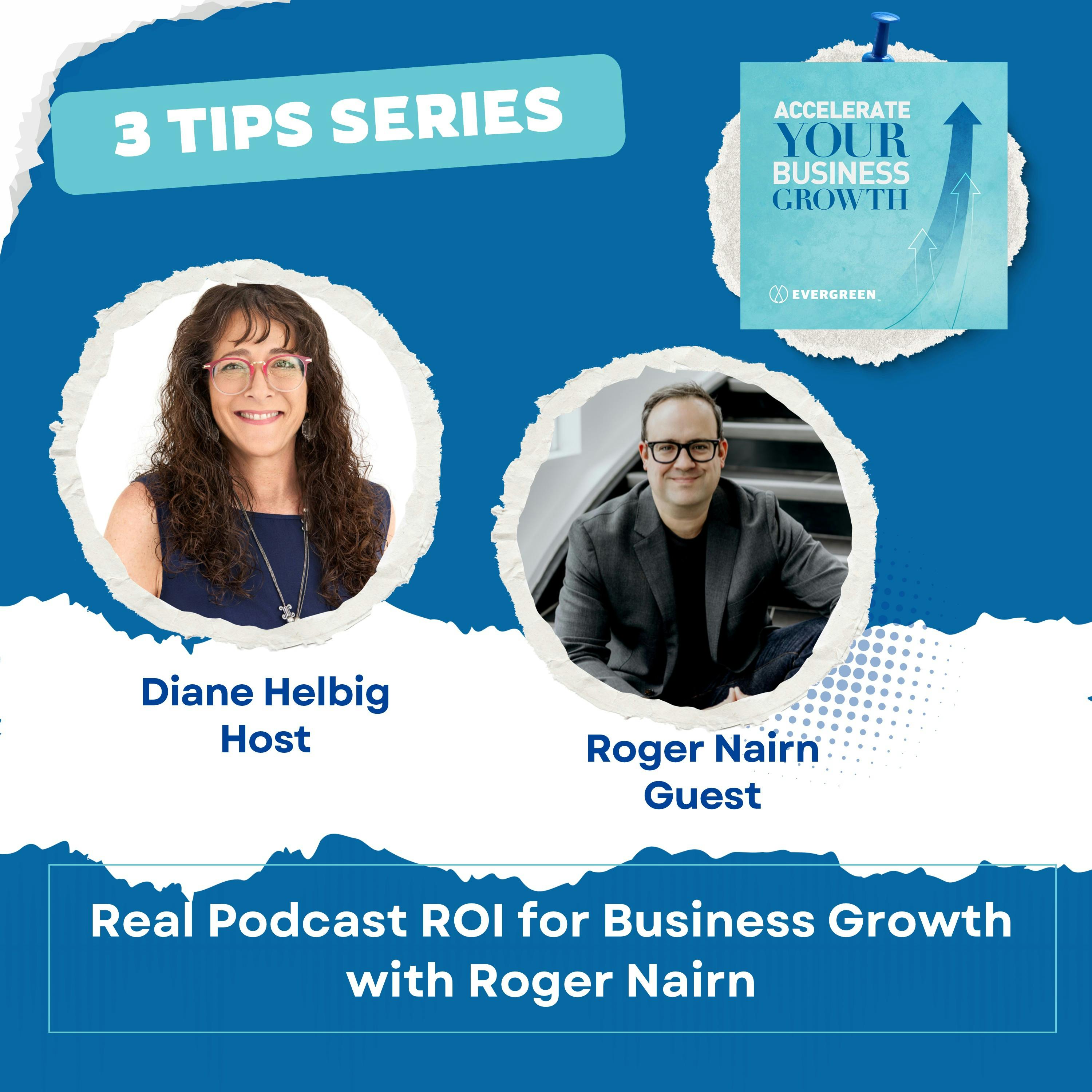
Podcast listeners have higher average household incomes and greater purchasing intent. A small, dedicated audience built through the intimacy of audio is more valuable for monetization via courses and consulting than a massive but disengaged social media following.
A single podcast episode serves as a content hub that can be repurposed into social posts, newsletters, and videos. This "compound content return" builds a lasting asset, freeing you from the daily content treadmill required by social media.