Get your free personalized podcast brief
We scan new podcasts and send you the top 5 insights daily.
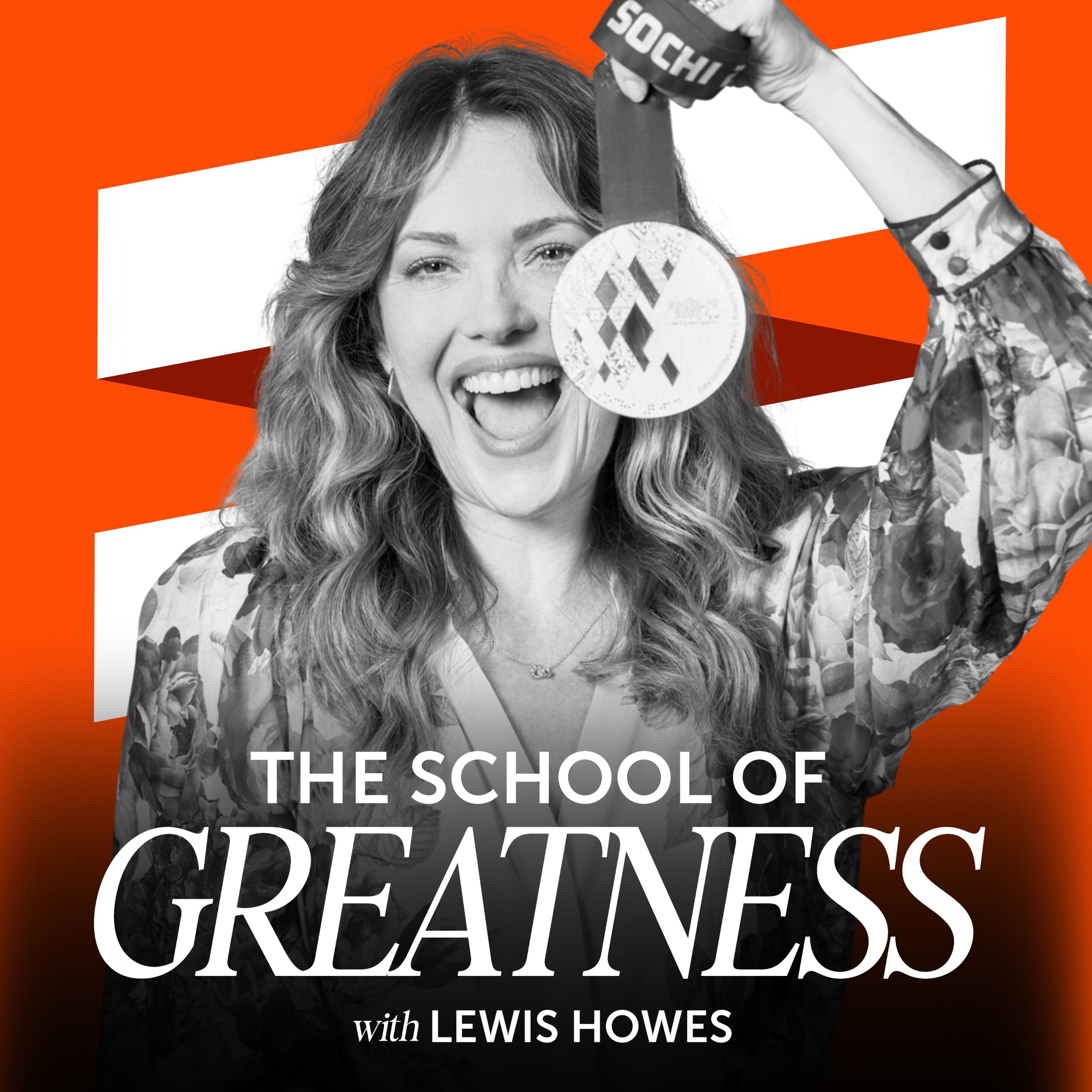
To get snowboarding into the Paralympics, Amy Purdy didn't wait for an invitation. She and her husband built the entire ecosystem: a non-profit to train athletes, adaptive divisions within existing competitions like the X Games, and a global community to prove the sport's viability.
Related Insights
Before HQ Trivia, Scott Rogowsky was repeatedly rejected for jobs on established talk shows. Instead of giving up, he created his own live show, which honed the exact skills that landed him the HQ gig. This demonstrates the power of creating your own platform when gatekeepers deny access.
Instead of minor tweaks, the Bananas analyzed baseball from a fan's perspective, identifying slow moments like walks, mound visits, and long games. They then created 'Banana Ball,' a new sport designed purely for entertainment, proving that legacy products can and should be radically reinvented from first principles.
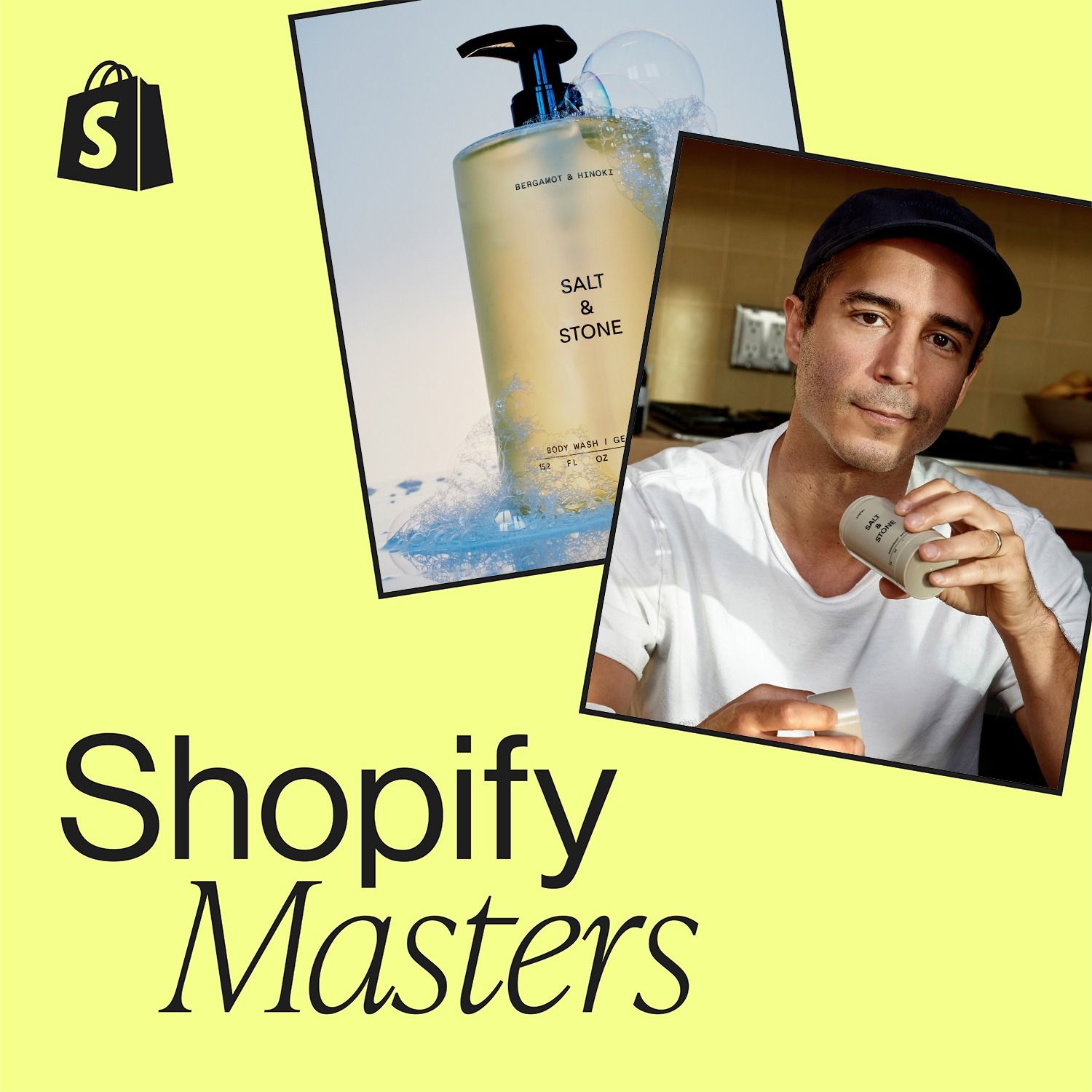
Former pro snowboarder Nima Jalali found that achieving key business milestones, like becoming a top seller at Sephora, provides the same adrenaline rush as landing a difficult trick. This shows how entrepreneurs can channel competitive drive from other fields into motivation for business growth.
Paralympian Amy Purdy tested advanced bionic ankles but reverted to simpler prosthetics for snowboarding. The high-tech feet were unpredictable, and she found that direct, predictable control over a simpler tool was more effective for a high-stakes sport.
When entering a new market like NFL stadiums, TeamBridge doesn't fake expertise. Their pitch is honest: they have a powerful platform from other industries and are seeking an innovative partner to co-create the solution for that vertical. This attracts the right kind of early adopter.

Athletic Brewing's success comes from rejecting the standard industrial process for non-alcoholic beer. They took a capital-intensive path, building their own breweries to develop a proprietary method that creates a product on par with top craft beers, fundamentally changing category perceptions.

After a difficult first attempt to snowboard with prosthetics, Amy Purdy avoided despair by analyzing the failure mechanically. She identified specific, solvable problems—ankle movement and leg attachment—turning emotion into an engineering challenge.
Amy Purdy's original goal was to be a massage therapist who could travel and snowboard. Losing her legs paradoxically enabled her to achieve this on a global scale as a Paralympian and speaker, fulfilling her core desires in a way she never planned.
Nima Jalali's transition from the solo-driven world of professional snowboarding required a conscious shift to a team-first mentality. He had to actively learn to operate collaboratively, moving from a "one-man show" to building a high-performance team where collective success is the goal.
Shower Spa first targeted the mobility-challenged market, establishing strong product-market fit with a clear need. This focused entry point, like Peloton's for serious cyclists, builds a loyal base before expanding into the broader luxury and wellness markets.
