Get your free personalized podcast brief
We scan new podcasts and send you the top 5 insights daily.
Taejin's father, out of love, would rush to tie his son's shoelaces. The coach intervened, forcing the father to endure the "torture" of watching his son struggle for 20 minutes to succeed on his own. This highlights how well-intentioned help can prevent progress by removing the necessary, skill-building challenges required for developing independence.

Related Insights
The home should be a sanctuary of warmth and nurturing. Hard-driving discipline and skill-building criticism are often more effectively delivered by external figures like coaches or teachers. This strategy preserves the positive parent-child relationship while still allowing children to develop resilience and grit in structured settings.

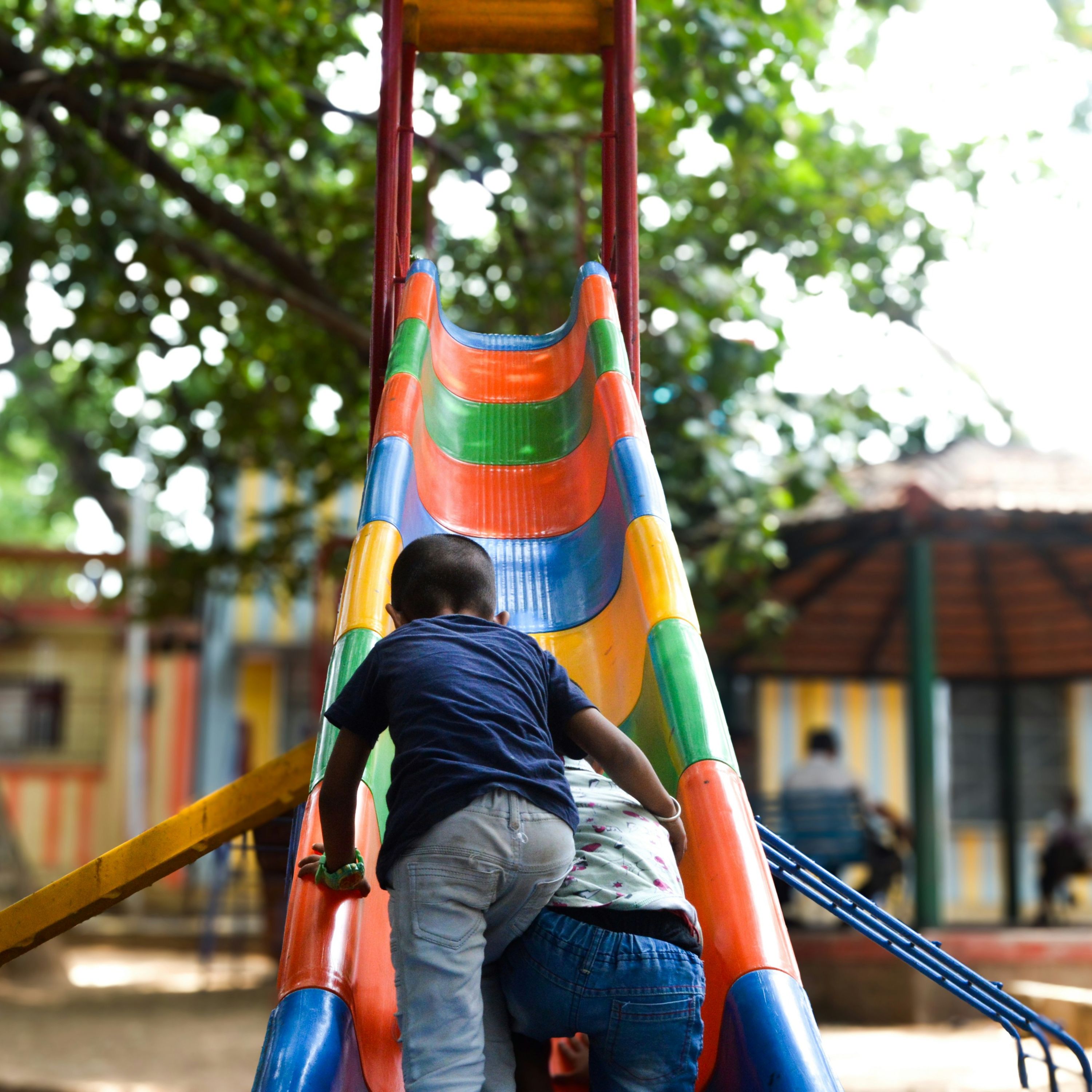
The mere presence of an adult shifts responsibility away from children. They come to expect adults to enforce safety and solve conflicts, which discourages them from developing their own problem-solving skills, risk assessment, and self-reliance.
While well-intentioned, attending every single school recital or sports game can create unrealistic expectations for children. Occasionally missing an event teaches resilience, adaptability, and the reality that life sometimes gets in the way, better preparing them for adulthood.

To combat a child's fear of failure, parents should actively pursue new skills they are not good at, like an adult learning to wake surf. This public display of struggle and persistence teaches a more powerful lesson than any lecture: it is okay not to be good at something initially, and the value lies in trying again.

Modern parenting that shields children from failure with participation trophies actually teaches indifference and fear. The key is to teach kids that losing is not only acceptable but good. A child who learns to love losing builds the resilience needed for the real world.
While buying back time is valuable, founders risk eliminating tasks they didn't realize were meditative, like cooking or cleaning. Furthermore, making life 'too easy' can reduce personal discipline and set a poor example for children, who need to see their parents overcome challenges.

When adults intervene in children's unstructured play to "teach" them the "right" way to do things, they often strip the activity of its imaginative joy and engagement. This transforms a creative game into a boring, adult-led lesson, diminishing learning and happiness.
Instead of using AI-generated free time for more tasks, a parent intentionally ignores her children in a safe environment. This "benevolent neglect" is a deliberate strategy to build her children's resilience, creativity, and ability to entertain themselves.

Pediatrician Donald Winnicott argued that children must learn to handle frustration and disappointment. A "perfect" parent who shields a child from all difficulty inadvertently robs them of the chance to develop coping mechanisms for the real world.

Shaka Senghor introduces the concept of "well-intended prisons"—actions that seem helpful but are actually restrictive. A helicopter parent, for example, thinks they are protecting their child but is actually preventing them from developing resilience and making their own choices.