Get your free personalized podcast brief
We scan new podcasts and send you the top 5 insights daily.
Coben suggests that treating character and plot as independent elements leads to stilted stories. Instead, character is revealed and developed *through* the events of the plot. What happens to a character (plot) inherently defines who they are (character).

Related Insights
Linear, chronological stories ("this happened, and then this happened") are boring. To create dynamism and energy, structure a narrative around conflict and consequence. Using connecting words like "but" and "therefore" creates an engaging up-and-down path that keeps the listener hooked.

South Park's creators use a simple rule: if you can connect your story beats with "and then," you have a boring list of events. If you must use "but" or "so," you have a compelling narrative of cause and effect. This creates unresolved tension and keeps the audience engaged.

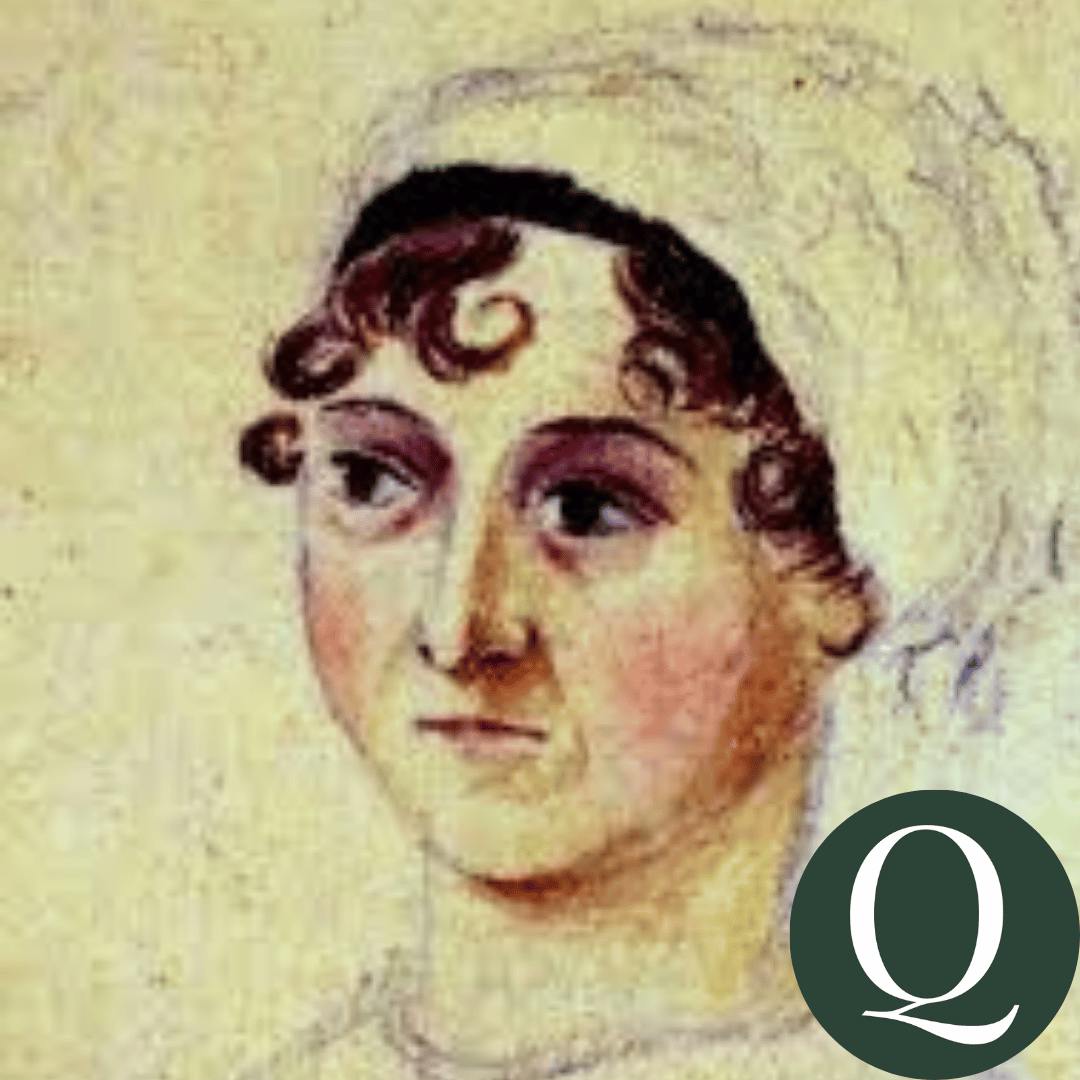
Austen pioneered the 'free indirect style,' where the third-person narrative adopts a character's thoughts, feelings, and—crucially—their delusions. This forces the reader to actively distinguish a character's biased perspective from reality, a technique used powerfully to show internal conflict in novels like 'Persuasion' and 'Emma.'
Author Harlan Coben uses a unique form of wish fulfillment and envy with his characters. He gives his character Myron things he lacks (living parents) while Coben himself has the stable family life Myron desires. This mutual envy creates a tension that makes the character more complex and real.
The philosophy of "Protagonism" applies storytelling principles of growth and sacrifice to your life. It opposes the modern, narcissistic "main character syndrome," a trait rarely found in compelling, heroic figures from great stories who are typically selfless and transformative.

It's a misconception that intricate thrillers require detailed plots from the start. Author Lee Child begins with just a situation, with no idea what will happen. This capacity to operate without a plan while remaining creative allows the writer to experience the story's discovery alongside the reader, making it more exciting.

Great writing doesn't spoon-feed every detail. It provides just enough information to create "holes," inviting the reader to participate in the narrative by using their own imagination and experiences. This makes the content more immersive and personal.
A coherent picture of a person is built from heterogeneous, often contradictory, elements. Readers find this more convincing because it mirrors real life; everyone we know is contradictory. Instead of forcing a simple narrative, revealing inconsistencies makes a character feel more authentic and human.
Avoid boring, chronological "this happened, then this happened" stories. Instead, structure your narrative to constantly pivot using words like "but" and "therefore." This creates dynamism, energy, and a feeling of suspense, making the story feel like an unpredictable journey rather than a straight line.
A story's core mechanic for engagement is not just emotion, but the constant betrayal of the audience's expectations. People are drawn to narratives, jokes, and songs precisely because they want their predictions about what happens next to be wrong. This element of surprise is what makes a story satisfying and compels an audience to continue.
