Get your free personalized podcast brief
We scan new podcasts and send you the top 5 insights daily.
The philosophy of "Protagonism" applies storytelling principles of growth and sacrifice to your life. It opposes the modern, narcissistic "main character syndrome," a trait rarely found in compelling, heroic figures from great stories who are typically selfless and transformative.

Related Insights
You have little control over what happens to you, but complete control over how you respond. To be the 'author' of your life, you must stop blaming external circumstances and instead focus on what you can control: your actions, thoughts, and internal monologue. This shift from victim to author is crucial.

The defining characteristic of a hero isn't their situation but their response to suffering. While a victim feels powerless and a villain wants to inflict their pain on others, a hero accepts sacrifice to transform, ensuring others don't have to experience the same pain they did.
The ultimate aim is not to achieve conventional success, but to fully express your unique self. This lifelong project is paradoxical: you cannot become unique by yourself. You need others—friends, family, customers—to reflect your authentic self back to you, helping you see who you are.
![Kevin Kelly - Be Generous and Unique - [Invest Like the Best, CLASSICS] thumbnail](https://megaphone.imgix.net/podcasts/9e957b1c-b60e-11f0-8fae-c3720ebd149d/image/fe443cb4b0d58f10dbccb1cf43a6abe2.jpg?ixlib=rails-4.3.1&max-w=3000&max-h=3000&fit=crop&auto=format,compress)
The classical Greek definition of a hero, like Achilles, involves a negotiation or 'war' between great strengths and significant weaknesses. This internal conflict defines heroism and makes a character compelling, rendering the modern pursuit of flawless idols misguided.

Living as a protagonist isn't reserved for CEOs or celebrities. The core principle is intentionality. Whether your goal is to build a billion-dollar company or be a present and impactful parent, both paths require conscious choice and effort to live out the best version of that chosen story.
According to a lesson from Walt Disney, the strength of a narrative—whether in film or business—hinges on its antagonist. A compelling villain like Scar or Ursula creates the necessary conflict and stakes, giving the protagonist a purpose and a challenge to overcome.
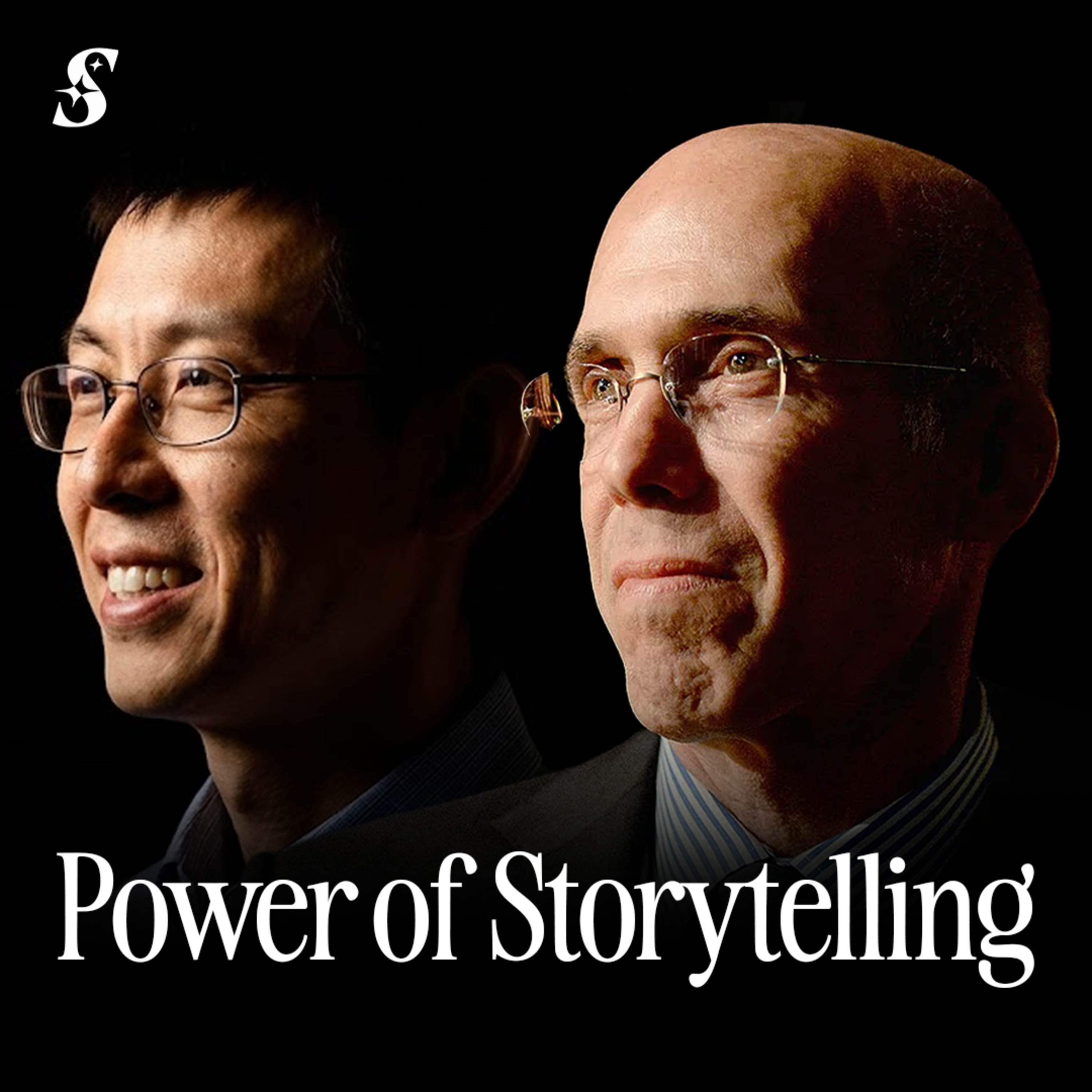
Citing Tony Robbins' transformation, the insight is that powerful personas aren't born, they're consciously created. You can decide on the identity you need to achieve your goals and then build it piece by piece. This act of self-creation is a deliberate choice, not a matter of luck or innate talent.

The common narrative of "becoming" your best self is flawed. True development is a process of revelation. Your authentic identity already exists but is buried under layers of conditioning. The work is to uncover this innate self and let it rise up, reminding you that you were never broken.

Tony Robbins frames life through the mythological hero's journey. What feels like a devastating setback is actually a "call to adventure." Embracing this call, rather than refusing it, leads to growth, new allies, and the ultimate discovery of one's true strength.
The most resonant narratives, whether for a company or a person, contain three key elements. They follow an original, non-obvious path, overcome significant hardship, and result in a meaningful transformation for the protagonist or the customer. This framework can be used to craft powerful stories.
![Patrick O’Shaughnessy - Creating on Principle - [Invest Like the Best, EP.455] thumbnail](https://megaphone.imgix.net/podcasts/816fce6a-f5b6-11f0-9c9c-33831009577b/image/1f5ec11a816e37bc484e46cbf9b3421d.jpg?ixlib=rails-4.3.1&max-w=3000&max-h=3000&fit=crop&auto=format,compress)