Get your free personalized podcast brief
We scan new podcasts and send you the top 5 insights daily.
As pharma companies build direct-to-consumer (DTC) channels for high-demand drugs, large employers see an alternative. This could motivate them to drop insurance coverage, shifting costs to individuals and paradoxically reducing overall access despite the new DTC option.

Related Insights
Facing public outrage, Mylan offered a "generic" EpiPen at half price. However, due to convoluted drug pricing economics, this move quelled the controversy while allowing the company to earn nearly the same amount of profit per device. It exposed the illusion of consumer savings in a broken system.

The backend infrastructure built by compound pharmacies to serve telehealth giants like Hims and Ro is now mature. This creates an opportunity for new brands to quickly launch and ship prescription products, effectively using these pharmacies as a platform for regulated health and wellness DTC.
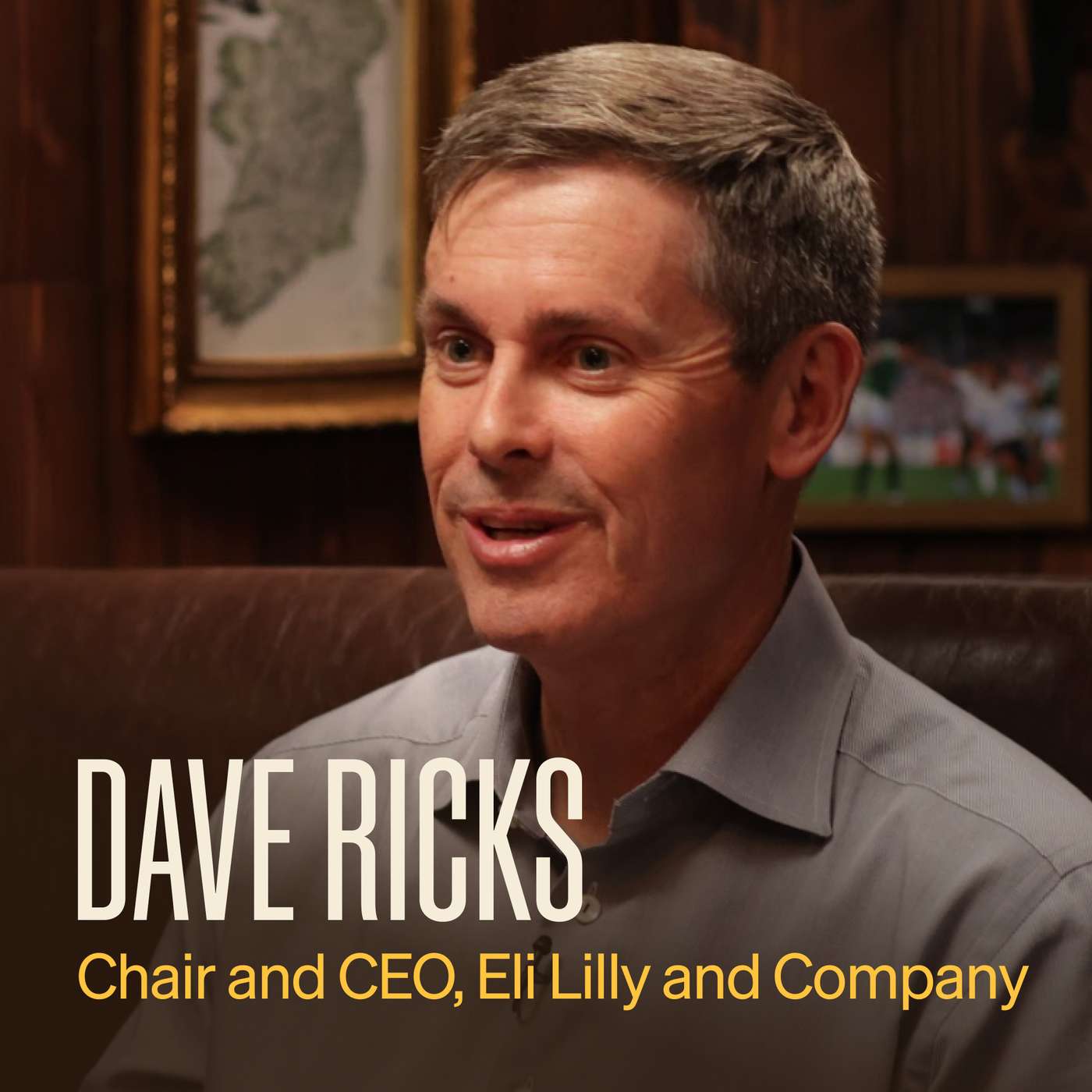
The direct-to-consumer channel exploded for Eli Lilly with Zepbound. The drug was a perfect fit because the diagnosis is simple, efficacy is easily measured by the patient, and it allows motivated self-pay customers to bypass insurance friction.
The imbalance between rising drug development costs and financially strained public health systems is unsustainable. Novo Nordisk's CEO believes this will inevitably lead to a global trend of increased patient cost-sharing through cash channels and high co-pays, moving beyond traditional insurance models.
Eli Lilly and Novo Nordisk's DTC programs for weight loss drugs give employers an alternative to point employees towards, providing cover to drop expensive insurance coverage and potentially reducing access for patients who rely on it.
Major pharmaceutical companies are now willing to deploy the "nuclear option" of pulling planned R&D investments to express displeasure with national drug pricing policies. This tactic, seen in the UK, represents a direct and aggressive strategy to pressure governments into accepting higher prices for innovative medicines.

Walgreens prioritizes tackling barriers to medication access—such as cost and prior authorizations—believing that adherence can only be addressed once a patient can consistently obtain their therapy. This frames the two issues as a sequence, not parallel challenges.
To solve the insulin price bubble, Eli Lilly launched its own low-list-price biosimilar. However, insurers and PBMs initially refused to cover it because its low price and small rebate threatened their lucrative business model.
The large gap between insulin's list and net price was driven by Pharmacy Benefit Managers (PBMs). Their business model, which takes a percentage of the rebate, incentivized pharma to raise list prices to offer bigger discounts.
The launch of Novo Nordisk's oral GLP-1 pill via platforms like Ro marks a pivotal shift in pharma distribution. It's the first time a drug of this scale has launched nationwide with a direct-to-consumer model, enabling patients to go from seeing an ad to receiving a prescription in under 48 hours.
