Get your free personalized podcast brief
We scan new podcasts and send you the top 5 insights daily.
Facing public outrage, Mylan offered a "generic" EpiPen at half price. However, due to convoluted drug pricing economics, this move quelled the controversy while allowing the company to earn nearly the same amount of profit per device. It exposed the illusion of consumer savings in a broken system.

Related Insights
Mylan manufactured demand by lobbying for laws requiring EpiPens in schools, running "disease awareness" ads to heighten fear, and creating a free school training program specifically for their device. This created economic "lock-in," making it difficult for cheaper alternatives to compete and securing a captive market.
Pricing power allows a brand to raise prices without losing customers, effectively fighting the economic principle that demand falls as price rises. This is achieved by creating a brand perception so strong that consumers believe there is no viable substitute.
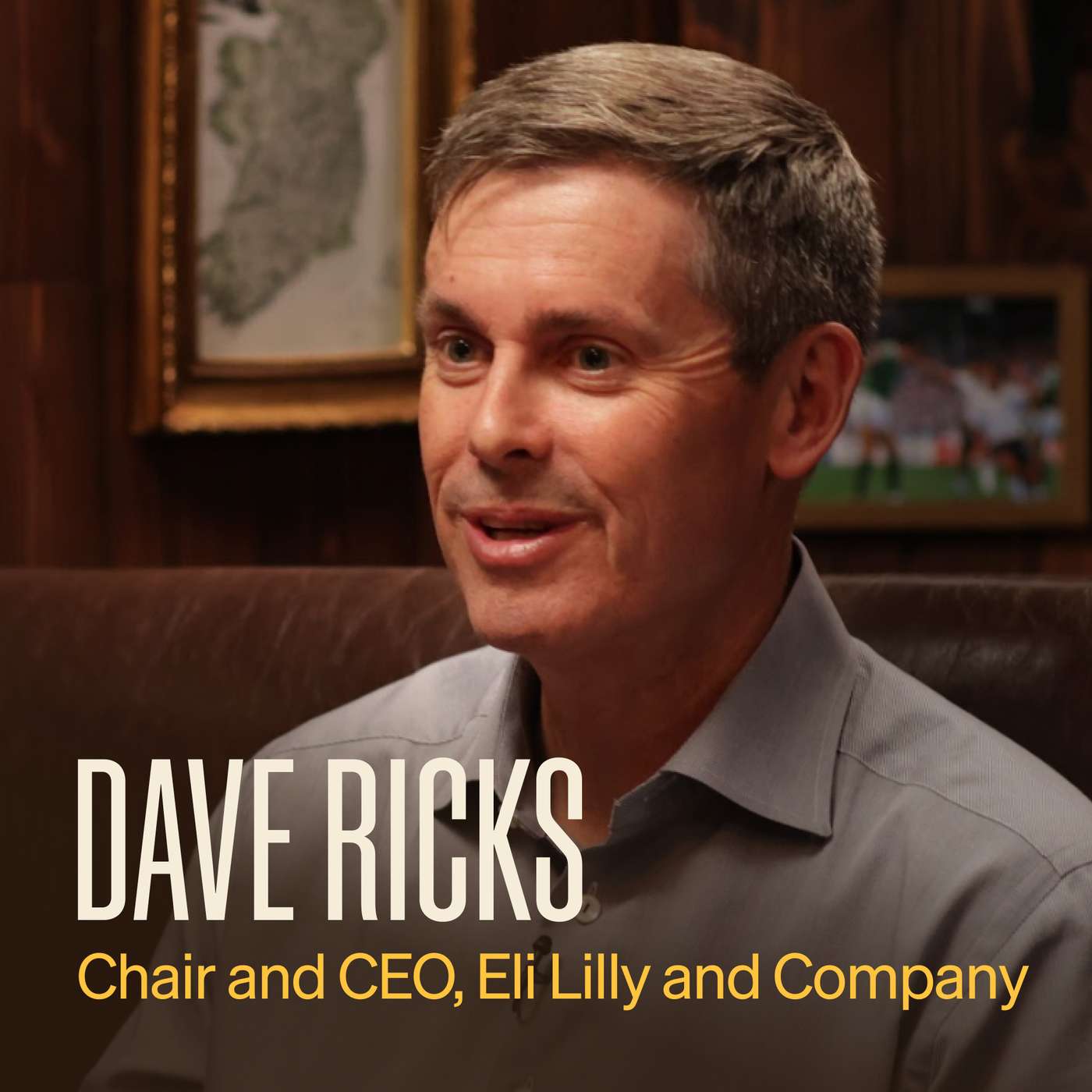
To fix the R&D funding imbalance, the CEO proposes a 'one fair price' system. A drug would have one US price with no rebates, and a price in other developed nations would be indexed to their GDP per capita.
Price heavily influences a customer's expectations, which in turn shape their experience. A discounted product, like a painkiller, may be perceived as lower quality, leading to a measurably lower placebo effect and reduced effectiveness for the user. The actual experience deteriorates with the price.

In explosive markets like GLP-1 drugs, significant price drops and margin compression (e.g., from 80% to 60%) don't necessarily harm profits. The sheer volume of new customers can completely offset lower per-unit profitability, leading to far greater overall earnings.

To solve the insulin price bubble, Eli Lilly launched its own low-list-price biosimilar. However, insurers and PBMs initially refused to cover it because its low price and small rebate threatened their lucrative business model.
Maximizing profits in a crisis, such as a hardware store hiking shovel prices during a blizzard, ignores the powerful economic force of fairness. While rational by traditional models, such actions cause public outrage that can inflict far more long-term brand damage than the short-term profits are worth.
The large gap between insulin's list and net price was driven by Pharmacy Benefit Managers (PBMs). Their business model, which takes a percentage of the rebate, incentivized pharma to raise list prices to offer bigger discounts.
Selling low-cost vaccines to organizations like Gavi isn't just charity for pharmaceutical companies. It creates massive economies of scale, lowering the cost of goods for their high-margin primary markets and increasing overall net profit, creating a powerful win-win incentive structure.

Unlike labor-dependent services that get more expensive, prescription drugs offer a unique societal ROI because they eventually go generic and become cheaper. This deflationary aspect is a powerful, underappreciated argument for investing in drug development, as successful medicines provide compounding value to society over time.
