Get your free personalized podcast brief
We scan new podcasts and send you the top 5 insights daily.
Major pharmaceutical companies are now willing to deploy the "nuclear option" of pulling planned R&D investments to express displeasure with national drug pricing policies. This tactic, seen in the UK, represents a direct and aggressive strategy to pressure governments into accepting higher prices for innovative medicines.

Related Insights
The U.S. market's high prices create the large profit pool necessary to fund risky drug development. If the U.S. adopted price negotiation like other countries, the global incentive for pharmaceutical innovation would shrink, resulting in fewer new drugs being developed worldwide.

Initial panic over the MFN drug pricing scheme was based on pegging U.S. prices to the lowest in the industrialized world. The actual proposal is far less drastic, targeting the second-lowest price among a small cohort of high-income nations (G7 plus Denmark and Switzerland), a significantly less onerous benchmark.

China holds a choke point on the global pharmaceutical supply chain, being the sole source for key ingredients in hundreds of US medicines. This leverage could be used to restrict supply, creating shortages and price hikes, opening a new, sensitive front in geopolitical tensions.
The market is currently ignoring the long-term impact of deep cuts to research funding at agencies like the NIH. While effects aren't immediate, this erosion of foundational academic science—the "proving ground" for new discoveries—poses a significant downstream risk to the entire biotech and pharma innovation pipeline.

While MFN pricing is seen as a major threat, it could have an unexpected positive effect. It would force companies launching new drugs to establish a GDP-adjusted global price from the start, ending the current system where the U.S. effectively subsidizes lower prices elsewhere.

To fix the R&D funding imbalance, the CEO proposes a 'one fair price' system. A drug would have one US price with no rebates, and a price in other developed nations would be indexed to their GDP per capita.

Historically a Democratic focus, drug pricing policy has been co-opted by Republicans, making it a bipartisan political issue. This alignment creates a stable policy overhang and sustained uncertainty around pricing and innovation, deterring generalist investors regardless of which party is in power.

Competitive bidding wars for biotech companies are not isolated incidents. They are a clear indicator of heightened market aggression and the intense pressure large pharmaceutical firms feel to acquire assets and drive growth ahead of major patent expirations.
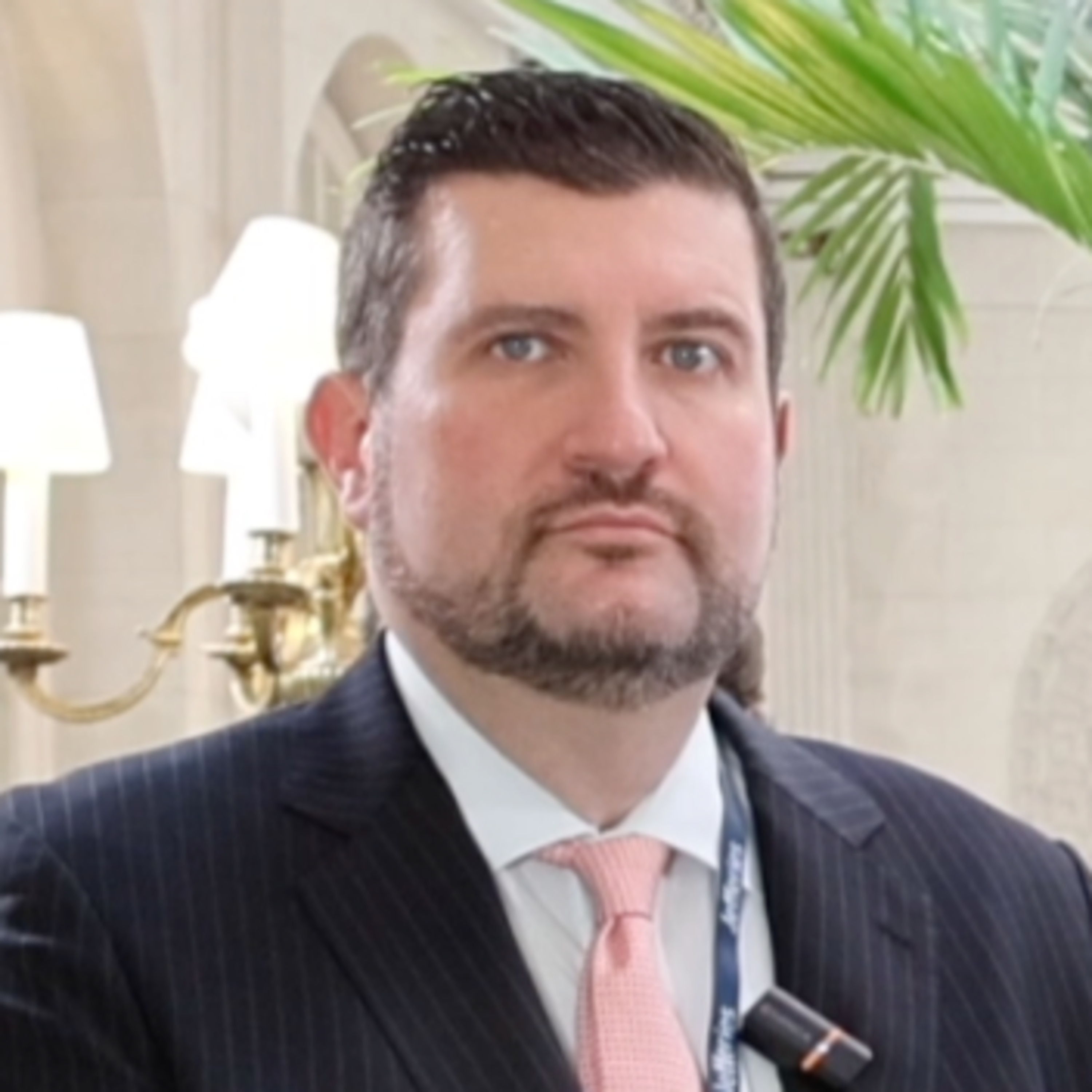
A centrist solution to high drug prices involves combining ideas from both political aisles. Oliver Libby suggests allowing Medicare to negotiate prices (a left-leaning idea) while also extending patent life for drug companies (a right-leaning idea), thus lowering costs without killing the incentive for innovation.

A new US-UK agreement exempts UK pharmaceuticals from tariffs in exchange for the UK's National Health Service (NHS) paying 25% more for new drugs. This deal effectively uses the UK's drug-costing watchdog, NICE, as a bargaining chip, undermining its authority to secure a trade concession from the US.