Get your free personalized podcast brief
We scan new podcasts and send you the top 5 insights daily.
The hosts predict that by 2050 self-driving cars will show wrap-around ads and may lock windows so riders cannot avoid them. They joke that a Tesla-SpaceX merger would let X's ad network sell ads into robotaxis inside the cabin, turning autonomous travel into forced ad inventory.

Related Insights
As autonomous vehicles drop the per-mile cost of ride-sharing to under $1, it will become cheaper than owning a car. This price drop will induce massive demand, shifting most transportation to these networks and creating a market exponentially larger than the current industry.
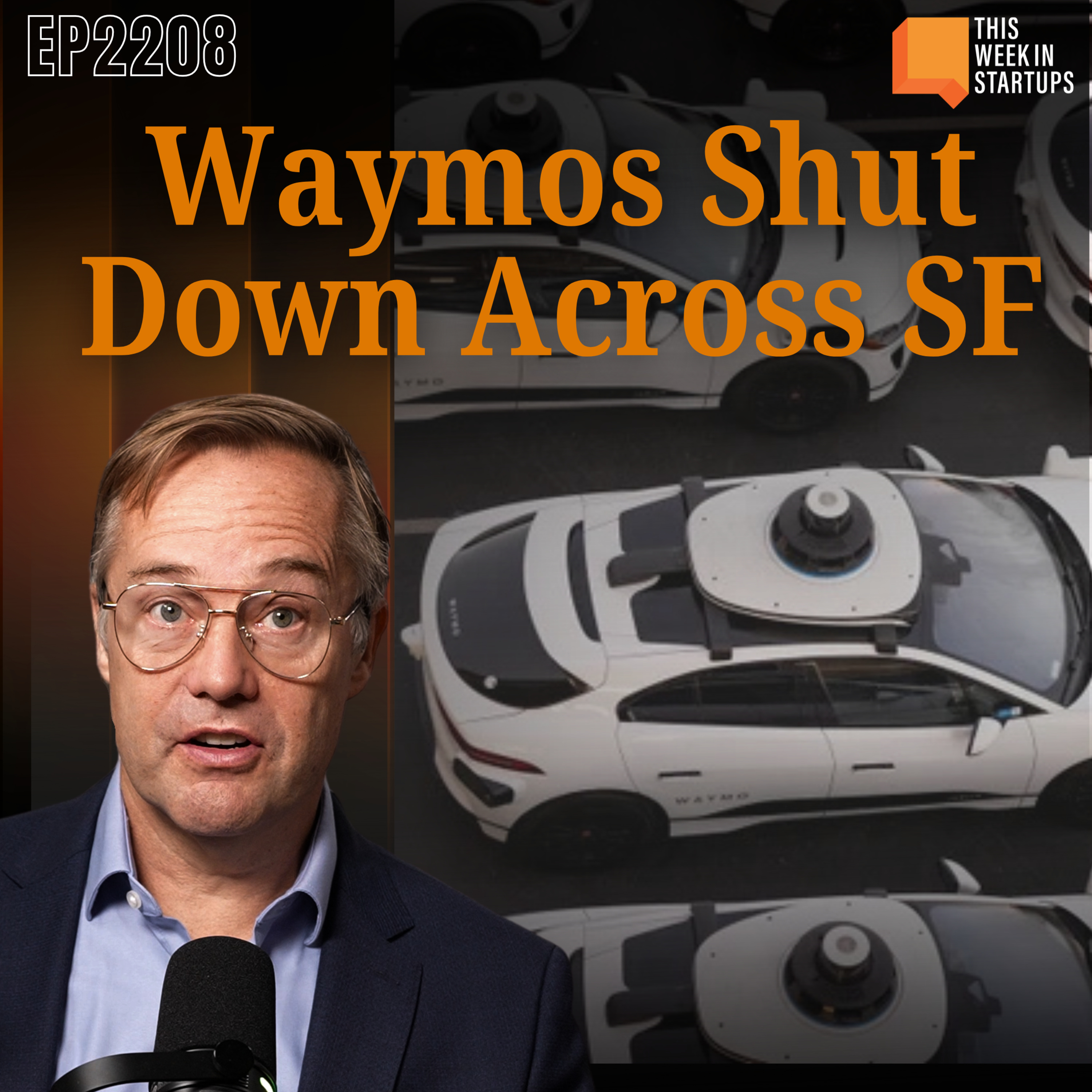
Google's Waymo is running ads that directly criticize human drivers for getting tired, angry, or drunk. This aggressive marketing strategy attempts to shift the public perception of autonomous vehicles from a mere convenience to a necessary and morally superior solution to human fallibility.

As users increasingly interact with voice-first AI assistants, the traditional digital advertising model faces a major disruption. With no screen to display ads, companies that rely on visual ad revenue, like Google, must find new ways to monetize these interactions without ruining the user experience.
Future Teslas will contain powerful AI inference chips that sit idle most of the day, creating an opportunity for a distributed compute network. Owners could opt-in to let Tesla use this power for external tasks, earning revenue that offsets electricity costs or the car itself.

As the operational cost of autonomous vehicles plummets, the business model will shift from fare-based revenue to advertising. By leveraging user data and AI like Grok, the car becomes a platform for hyper-targeted ads and commerce recommendations. This could eventually make rides free for consumers willing to engage with advertisers.

The traditional marketing model of movies promoting cars is being flipped. Automakers like BMW now use in-car infotainment screens to push media content, like a Spider-Man trailer, to drivers. This transforms the car from a product to be advertised into a media distribution channel itself.

The belief that autonomous driving is an unbreachable technological moat for one company is likely wrong. The technology is commoditizing at a pace similar to LLMs. It is not an impossible breakthrough, but rather a feature that will be implemented across most vehicle manufacturers, much like chatbots are now common.

The future of autonomous vehicles (AVs) will be defined by their interior configuration, creating distinct "apps" for different social contexts. A vehicle like Zoox with face-to-face seating becomes a space for meetings or family time, suggesting the AV market will segment based on the desired in-car experience.

The true disruption from AVs isn't cheaper transport, but the transformation of cars into productive spaces—moving offices, hotel rooms, or media centers. This framing shifts the value proposition from cost savings to creating new revenue streams and unlocking vast amounts of consumer time, impacting even real estate.

Industry insiders predict that advanced driver-assist systems (L2++), similar to what Tesla offers today, will become a cheap or even free standard feature in most new cars starting around 2029-2030. Fully autonomous robotaxis are expected to be routine in major US cities by 2030-2032.
