Get your free personalized podcast brief
We scan new podcasts and send you the top 5 insights daily.
Producer David Geffen taught a young David Ellison a harsh lesson in Hollywood economics. Despite the success of "Minority Report," Geffen's company DreamWorks made nothing due to the deal structure. This formative experience instilled in Ellison the importance of savvy negotiation to ensure his own company, Skydance, would profit from its hits.
Related Insights
Jeffrey Katzenberg repeatedly gained an edge by importing Silicon Valley innovations into Hollywood. From using Pixar for 'Toy Story' to pioneering 3D animation, he demonstrated that creative industries thrive by adopting cutting-edge technology to enhance storytelling, not by resisting it.

Despite the massive OpenAI-Disney deal, there is no clarity on how licensing fees will flow down to the original creators of characters. This mirrors a long-standing Hollywood issue where creators under "work for hire" agreements see little upside from their creations, a problem AI licensing could exacerbate.

Media expert Dylan Byers frames the three-way battle for Warner Bros. Discovery as intensely personal. The motivations of key players like David Ellison (proving himself) and David Zaslav (controlling his exit) are rooted in personal relationships and reputation, making it more than a straightforward M&A negotiation.

Veteran dealmaker Andy Cohen argues against a "win-at-all-costs" mentality in M&A. True success, particularly in tech deals where talent is key, comes from ensuring the acquired team feels the outcome is fair and their future is promising. If one side feels they lost, the integrated entity will fail.

Alex Bouaziz's core M&A principle, learned from his father, is to optimize for long-term satisfaction over short-term leverage. Even when holding the upper hand in negotiations, he structures deals to be fair for both sides. The goal is for both the acquirer and the acquired founder to look back in five years and feel the deal was a great outcome, ensuring better integration and alignment.
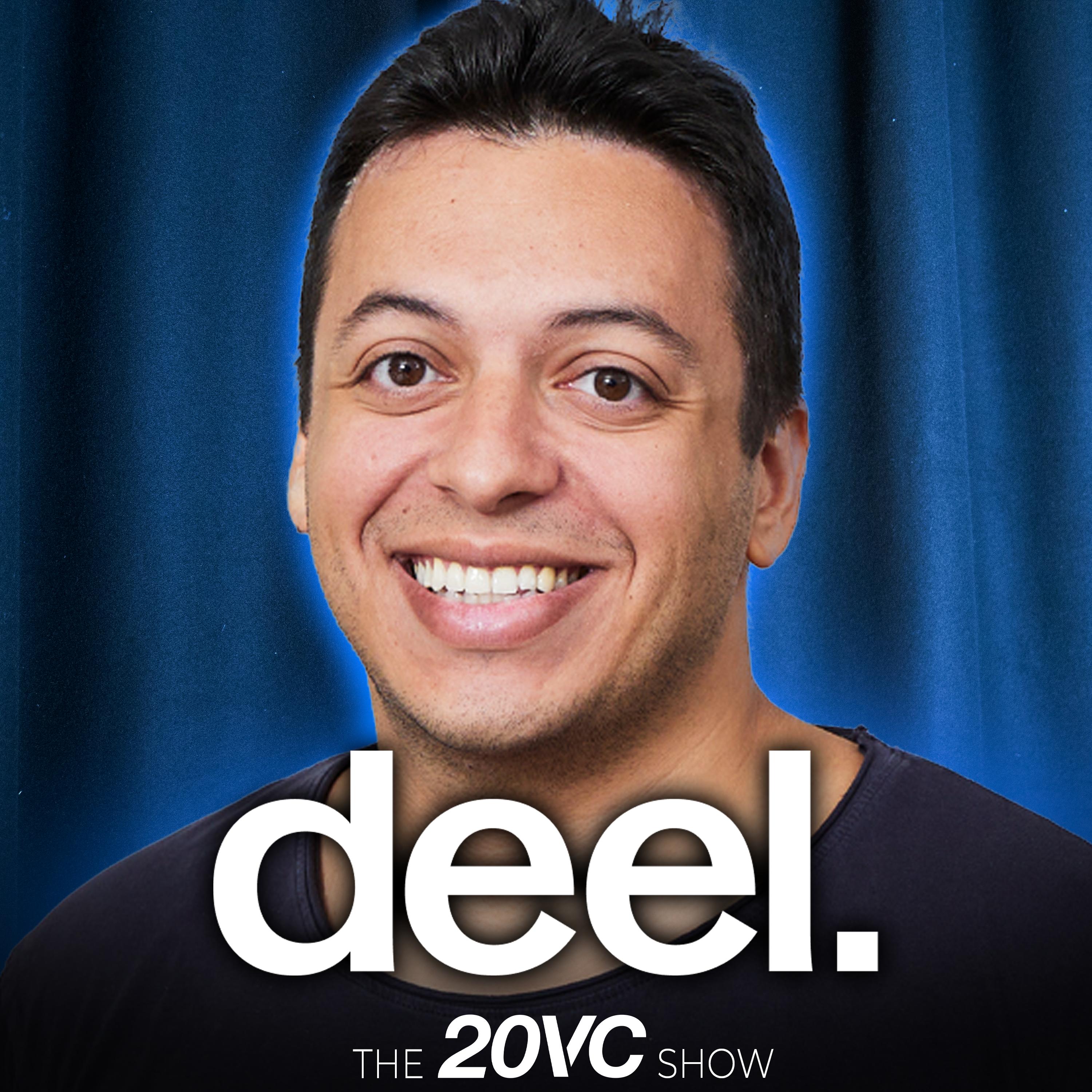
When his first movie, "Flyboys," bombed, David Ellison had such a severe stress reaction he was hospitalized with atrial fibrillation. This extreme response to failure underscores a deeply personal and intense ambition, suggesting his quest to acquire giants like Paramount is driven by more than just business logic.
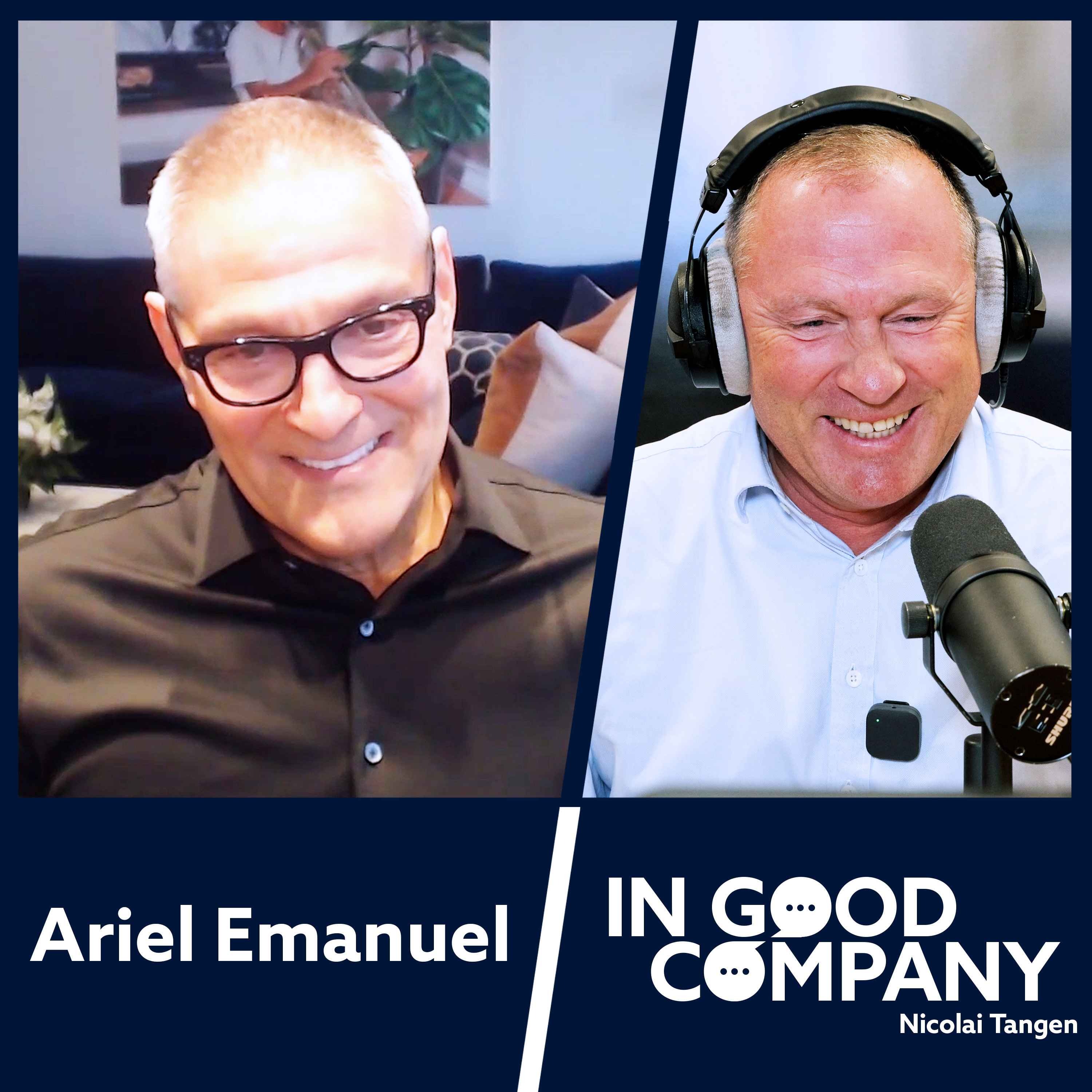
Recalling a lesson from a Warner Brothers lawyer, Emanuel states that the outcome of a negotiation defines what is fair. It's not about achieving a preconceived notion of fairness for either party. The final agreement, which both sides consent to, becomes the definition of a fair outcome, even if neither is ecstatic.
Warner Bros. CEO David Zaslav employed a powerful negotiation tactic by not immediately responding to Paramount's offers. This silence compelled Paramount to repeatedly sweeten its own deal—increasing both the price per share and the percentage of cash—in an effort to secure a response, effectively negotiating against itself.

The potential acquisition of Warner Bros. by Paramount, backed by the power-seeking Ellison family, could paradoxically benefit Hollywood's workforce. An owner focused on ambition over immediate profits may ignite a spending war, forcing competitors to increase pay and boosting employment for writers, actors, and crew.

The Warner Bros. bidding war reveals that massive M&A deals are often driven by human emotion. Personal factors—like a CEO's desire to keep his job, a rival's lingering resentment from a past lost deal, or a buyer's thirst for power—can influence outcomes as much as financial models.