Get your free personalized podcast brief
We scan new podcasts and send you the top 5 insights daily.
Jeffrey Katzenberg repeatedly gained an edge by importing Silicon Valley innovations into Hollywood. From using Pixar for 'Toy Story' to pioneering 3D animation, he demonstrated that creative industries thrive by adopting cutting-edge technology to enhance storytelling, not by resisting it.
Related Insights
Hollywood's current crisis is self-inflicted, stemming from a decades-long failure to adapt its business models and economics. Instead of innovating to compete with tech-driven services like Netflix, the industry persisted with inefficient structures and is now blaming disruptors for inevitable consumer-driven changes.

Pixar's 'no hedging' culture was supported by a rigorous prototyping process. Directors created 'story reels' (moving comic strips) of the entire film 3-4 times a year. This forced rapid iteration and feedback from the studio's 'brain trust,' ensuring quality improved dramatically before full production.

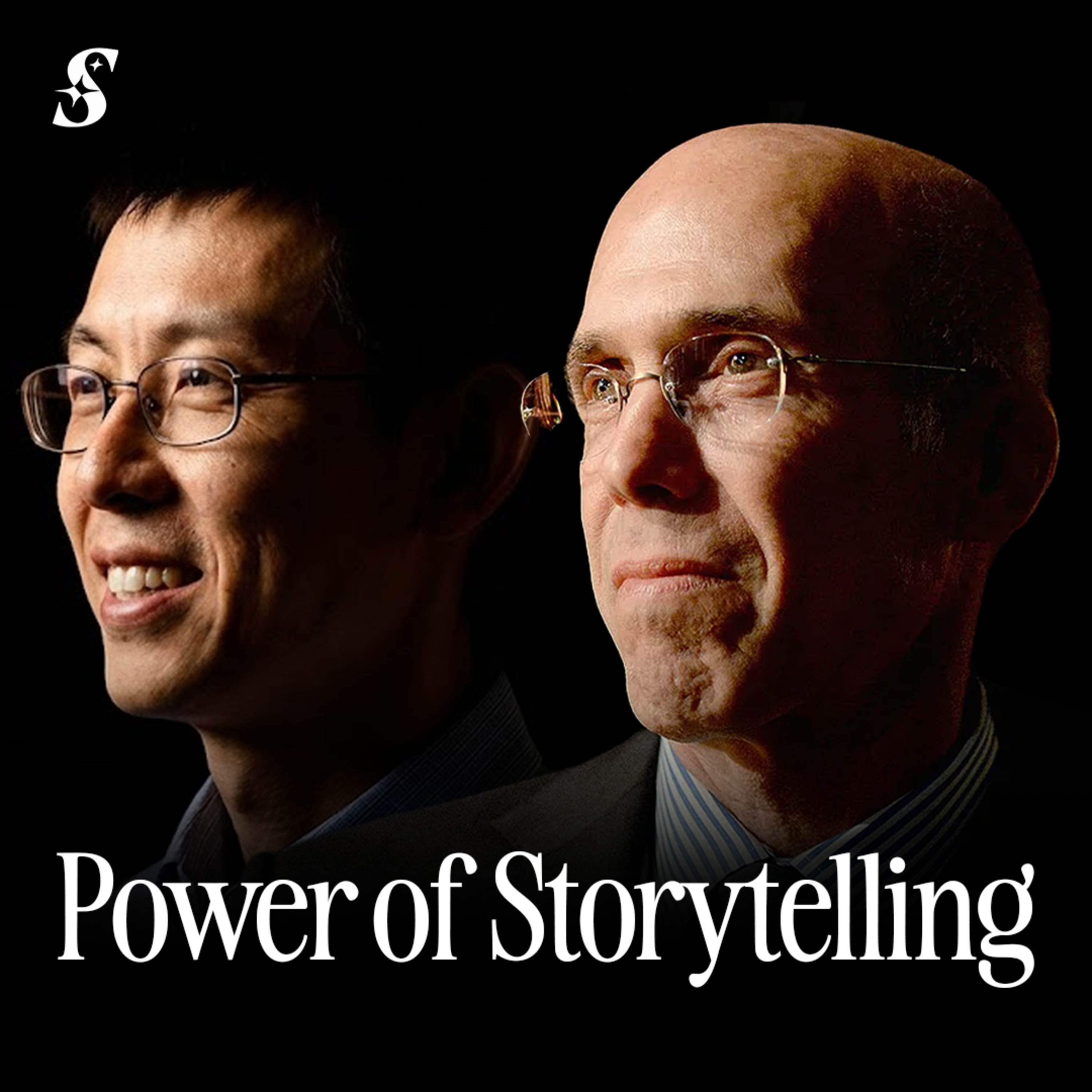
DreamWorks co-founder Jeffrey Katzenberg argues that successful businesses are built on compelling narratives. Storytelling is essential for recruiting top talent, securing investment, and acquiring customers, making it a foundational skill for any leader, not just a creative department's job.
Disney, famously litigious in protecting its intellectual property, is licensing its characters to OpenAI because its leadership recognizes AI-generated content will happen regardless of their approval. This partnership is a proactive strategy to control the narrative, negotiate terms, and monetize an unstoppable technological shift.

Former DreamWorks CEO Jeffrey Katzenberg compares the current backlash against AI in creative fields to the initial revolt from traditional animators against computer graphics. He argues that, like computer animation, AI's adoption is an unstoppable technological shift that creators will either join or be left behind by.

Breakthrough creativity, like that behind Disney's *Frozen* or behavioral economics, is often "innovation brokerage." It doesn't come from a blank slate but from combining established concepts from disparate fields—like mixing psychology with economics—to create something new and powerful.

According to Atlassian's CEO, companies like Microsoft and Adobe thrive for decades not by defending one moat, but by being perpetual creation engines. They must be willing to destroy old products and embrace new paradigms, making a creative culture their most important asset.
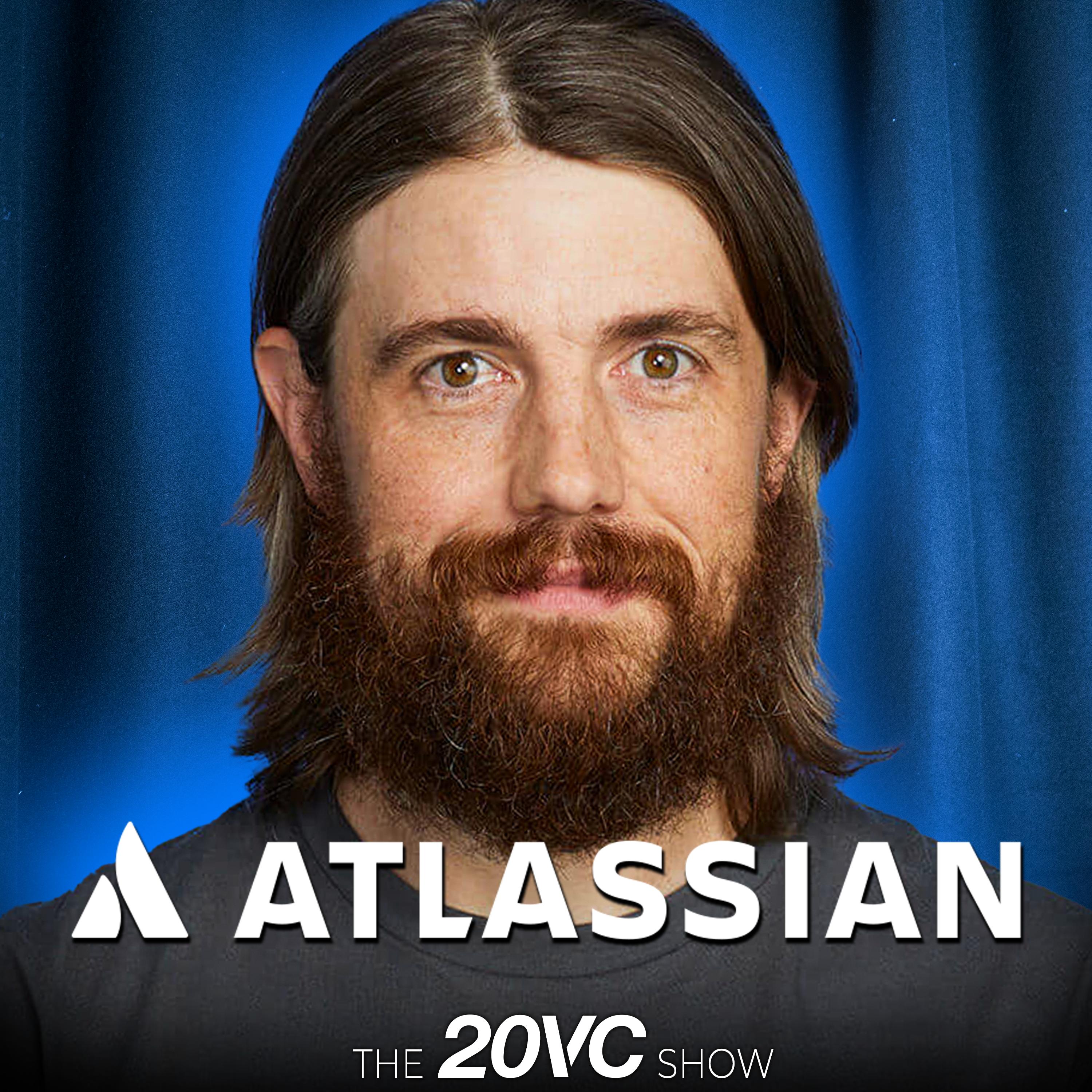
Unlike Kodak, which protected its film business and went bankrupt, Adobe integrated generative AI (Firefly) directly into its core products. By embracing the technology that threatened it, Adobe established itself as a leader in AI-powered creativity and saw its stock surge.

Katzenberg views drone light shows not as mere spectacles but as a revolutionary, multidimensional storytelling platform. He believes their potential to transform entertainment is as significant as the impact CGI and Pixar had on filmmaking, creating entirely new, immersive experiences.
The entertainment industry's resentment towards Netflix is misplaced. Swisher argues that studios are in decline because they failed to modernize, lean into technology, and listen to consumers. Netflix simply capitalized on the industry's inefficient and outdated business models by building a product people wanted.