Get your free personalized podcast brief
We scan new podcasts and send you the top 5 insights daily.
The Warner Bros. bidding war reveals that massive M&A deals are often driven by human emotion. Personal factors—like a CEO's desire to keep his job, a rival's lingering resentment from a past lost deal, or a buyer's thirst for power—can influence outcomes as much as financial models.

Related Insights
High-stakes bidding for legacy media assets like Warner Bros. is driven by status-seeking among the ultra-wealthy, not a sound bet on the future of media. They are acquiring prestigious "shiny objects" from the past, while the actual attention economy has shifted to platforms like TikTok and YouTube.
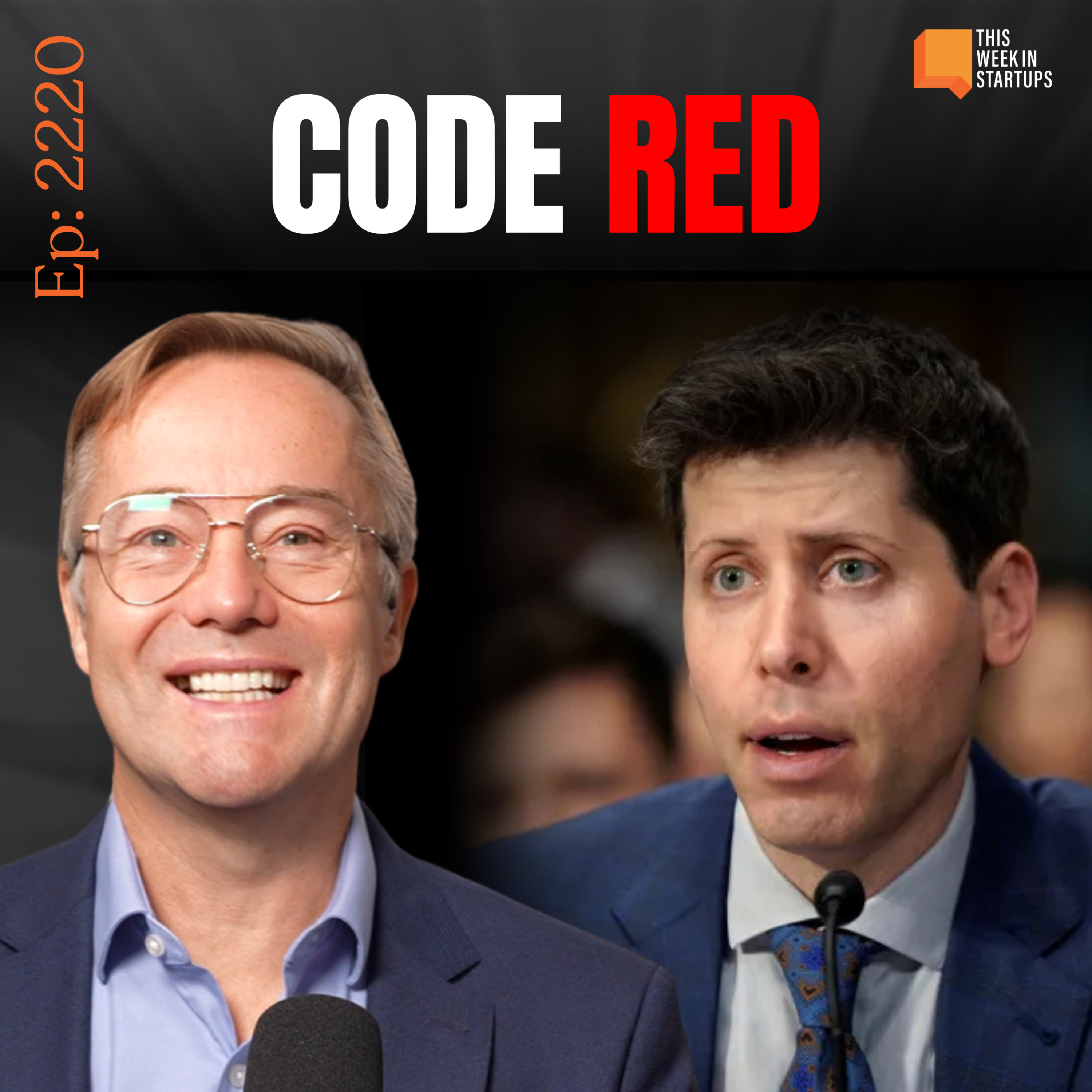
Media expert Dylan Byers frames the three-way battle for Warner Bros. Discovery as intensely personal. The motivations of key players like David Ellison (proving himself) and David Zaslav (controlling his exit) are rooted in personal relationships and reputation, making it more than a straightforward M&A negotiation.

The bidding war isn't between equals. Paramount, a smaller and weaker legacy media company, sees the acquisition as a necessity for future relevance. For the much stronger Netflix, it's an opportunistic play to cement its market leadership.

Warner Bros. CEO David Zaslav employed a powerful negotiation tactic by not immediately responding to Paramount's offers. This silence compelled Paramount to repeatedly sweeten its own deal—increasing both the price per share and the percentage of cash—in an effort to secure a response, effectively negotiating against itself.

The potential acquisition of Warner Bros. by Paramount, backed by the power-seeking Ellison family, could paradoxically benefit Hollywood's workforce. An owner focused on ambition over immediate profits may ignite a spending war, forcing competitors to increase pay and boosting employment for writers, actors, and crew.
Despite poor performance, CEO David Zaslav skillfully navigated a bidding war between Netflix and Paramount. By positioning Warner Bros. as a must-have asset in the streaming wars, he drove the acquisition price from $8 to $30 per share, securing a billionaire outcome for himself regardless of the winner.
By launching a bid for Warner Bros., Netflix CEO Ted Sarandos has ingeniously stalled the market. This move forces all other potential suitors and targets into a holding pattern, as any significant M&A activity must now wait for the outcome of this lengthy regulatory battle, giving Netflix a strategic advantage.

In high-stakes acquisitions, the emotional desire to "win" and achieve kingmaker status often overrides financial discipline. Acquirers, driven by ego, blow past their own price limits, leading to massive overpayment and a high likelihood of the merger failing to create shareholder value.
While Netflix is a market leader, its uncharacteristic pursuit of a massive M&A deal suggests its organic growth model may be reaching its limits, forcing it to acquire legacy assets and IP to maintain dominance.
The high-stakes bidding war for Warner Bros. is seen as driven by media executives' desire to reclaim the news cycle, which has been dominated by politics and AI. The acquisitions are a strategy for regaining cultural relevance as much as they are about business consolidation.
