Get your free personalized podcast brief
We scan new podcasts and send you the top 5 insights daily.
A compelling content format is to research and narrate the origin stories of familiar, but not obviously tech-related, businesses like Bitchin' Sauce or Stanley mugs. This taps into audience curiosity about ubiquitous brands and provides a relatable alternative to popular shows focused on major tech acquisitions.

Related Insights
The 'Foundry' incubator is filmed as a reality show to build narratives around its entrepreneurs before their products launch. This strategy aims to make the founders heroes in the public eye, creating an audience and customer base before the company even goes to market.

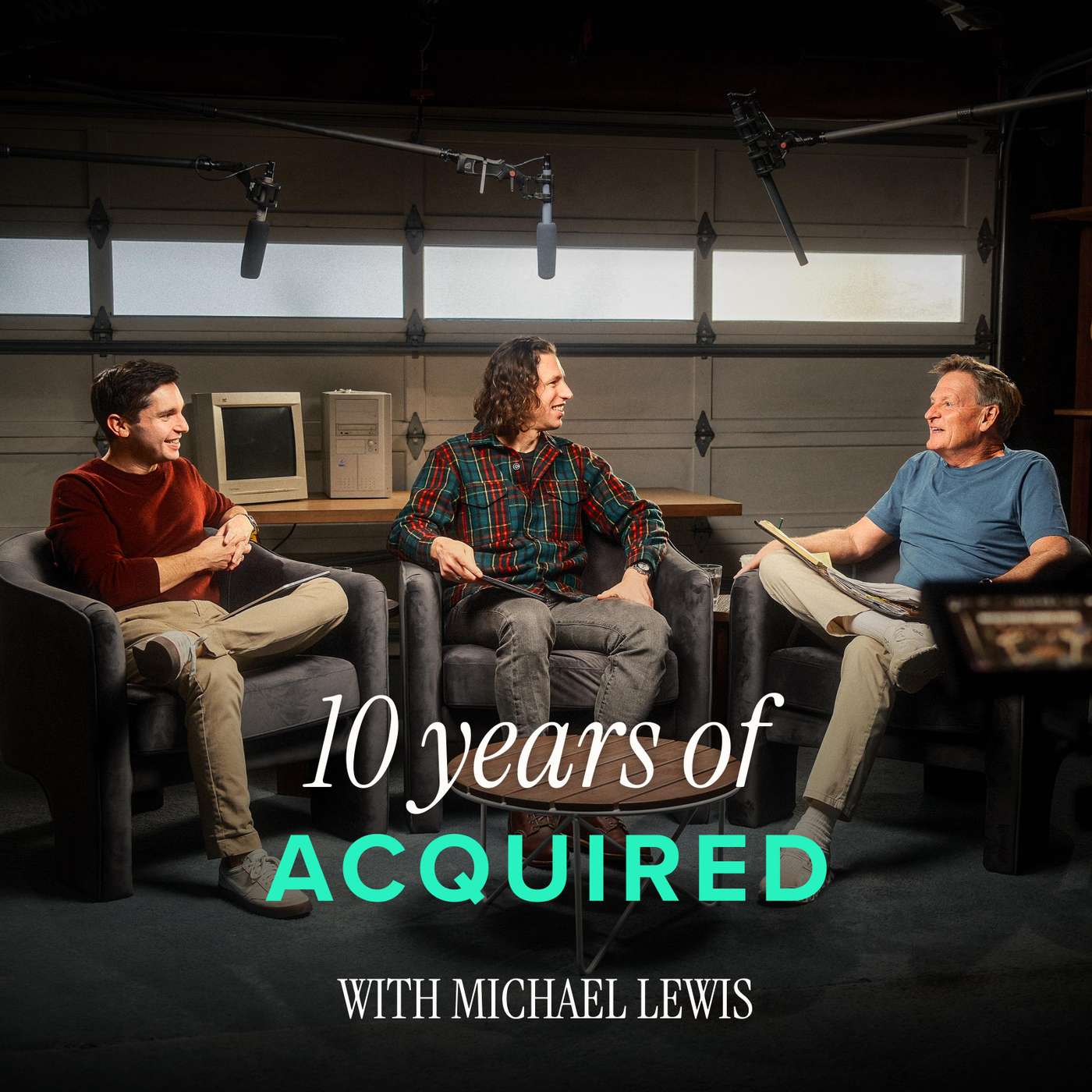
Realizing their low frequency prevents them from being a daily habit, Acquired creates "spectacles" like their 6,000-person live show at Radio City. This strategy generates disproportionate buzz and brand value, making a bigger impact on the franchise than a standard episode could.
Inspiration for brand execution can come from entirely different product categories. The Gruuns founder modeled his company after Dr. Squatch, aiming to replicate their success in making a mundane category (soap) fun and relatable, but within the often intimidating supplement industry.
Businesses with passionate but niche audiences, like the UFC or F1, can break into the mainstream by producing "on-ramp" content. A human-interest show (like F1's "Drive to Survive") provides an accessible entry point for new fans, demystifying the niche and driving massive growth by solving the discovery problem.
Instead of only looking within your niche for inspiration, observe the content formats and topics that are trending in completely different industries. Adapting a successful concept from another vertical, like finance, and applying it to your own can make it feel fresh and original to your audience.
To avoid the echo chamber effect where everyone in your industry posts the same content, draw inspiration from different fields. Analyze formats from niches like fitness or real estate and adapt those successful concepts to your own content for a unique angle.

Acquired strategically curates guests like Jamie Dimon and Barry Diller for live events, framing it as a 'cinematic universe' of iconic leaders. This narrative transforms a podcast into a larger media property, creating a cohesive brand world for its audience.

Rather than just jumping on viral trends, brands can build more durable audiences by creating original, serialized content, much like a mini TV show. This strategy fosters loyalty and gives consumers a reason to follow the brand itself, not just its take on a popular meme.
Instead of forcing ideas through brainstorming, 'snatch' them from real life—overheard conversations, personal interactions, or song lyrics. This method creates a bank of original stories. The specific, real-world details make the content more compelling and emotionally resonant than generic advice.

To create non-commodity content, move beyond summarizing expert opinions. Instead, ground your content in personal, first-hand experience. Frame narratives around what "I did, I saw, I built," which provides unique stories and insights that AI and competitors cannot easily replicate.
