Get your free personalized podcast brief
We scan new podcasts and send you the top 5 insights daily.
The 'Foundry' incubator is filmed as a reality show to build narratives around its entrepreneurs before their products launch. This strategy aims to make the founders heroes in the public eye, creating an audience and customer base before the company even goes to market.

Related Insights
YC provides a built-in go-to-market engine where startups treat their 200+ well-funded batchmates as their first customers. This 'win YC, win the market' strategy de-risks early customer acquisition and provides critical initial revenue and case studies to build momentum.

Businesses with passionate but niche audiences, like the UFC or F1, can break into the mainstream by producing "on-ramp" content. A human-interest show (like F1's "Drive to Survive") provides an accessible entry point for new fans, demystifying the niche and driving massive growth by solving the discovery problem.

The company began as a founder's personal project. Its early growth was driven entirely by local news stories that aired each time the prototype camera helped solve a neighborhood crime, demonstrating an unconventional, highly effective go-to-market strategy.

The firm intentionally builds a powerful, public-facing brand so portfolio companies can 'borrow' its force and reputation at critical development points, accelerating their own growth and market presence.
Don't reinvent the wheel for video series concepts. Look at popular, long-running TV shows like "Shark Tank" or "Million Dollar Listing" and adapt their format to your industry. This leverages a proven, engaging structure that audiences already understand and enjoy.

Alby, founder of Finkel, gained 7.8 million views on his Y Combinator application video posted on X. This shows that application materials, typically private, can be repurposed as powerful top-of-funnel marketing tools to build a waitlist and attract attention before a product is even in beta.

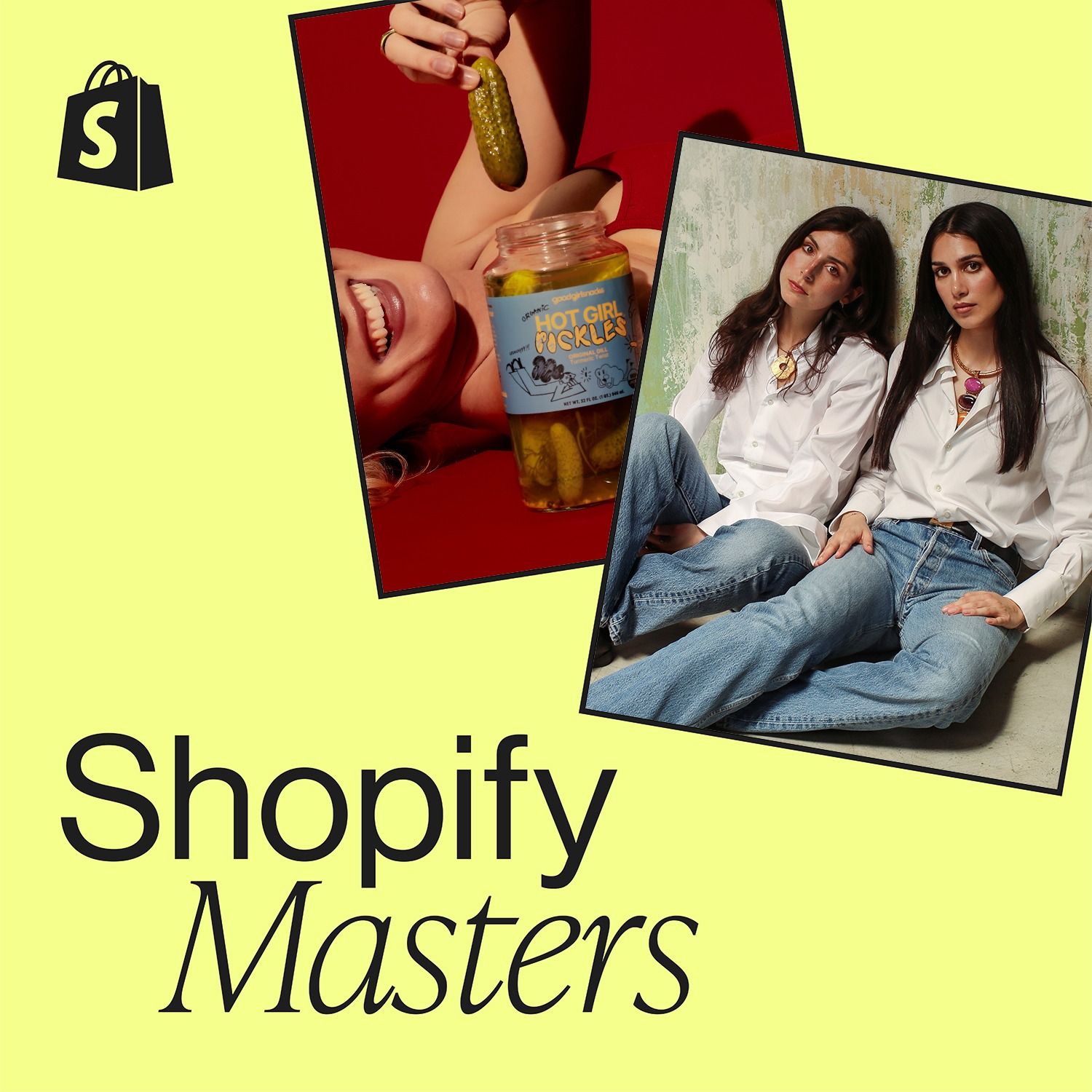
The founders started a TikTok series documenting their journey of quitting corporate jobs to start a pickle company months before launch. They sold their story as a "TV show," attracting a loyal following invested in them as people, not just a product.
Before starting his company, Nirav Tolia created 'Round Zero' for aspiring founders. This community provided a safe forum for ideas, built crucial connections, and gave him a 'trial run' as a leader. This 'beta test' built the confidence and network necessary to finally take the entrepreneurial leap.

Instead of waiting for a working product, the founders invested in a conference booth with just screenshots. This early, public validation test, though risky, attracted two crucial prospects who became their first customers. This demonstrated market demand before the product was fully built, a move many founders would avoid.

The fast-paced, high-stakes YC environment forces founders to adopt only the most effective tools immediately. Success within this cohort acts as a strong positive signal for a product's value to the broader, more cautious market, serving as a powerful go-to-market validator.