Get your free personalized podcast brief
We scan new podcasts and send you the top 5 insights daily.
Inspiration for brand execution can come from entirely different product categories. The Gruuns founder modeled his company after Dr. Squatch, aiming to replicate their success in making a mundane category (soap) fun and relatable, but within the often intimidating supplement industry.

Related Insights
Founder Eric Ryan targets categories where competitors make products unnecessarily complex or take themselves too seriously. He views this as a sign of insecurity hiding a lack of real innovation. His strategy is to simplify the product and bring a playful, more human approach to the branding.
Launched when D2C sentiment was at a low point, Grüns avoided direct competition by focusing on 'novel innovation.' Instead of just improving an existing product, they created entirely new categories, such as robust nutritional blends in a gummy form factor, allowing them to sidestep crowded markets.

Ryan's innovation strategy involves "stealing" concepts from categories far removed from his own. For Method cleaning products, he applied personal care's focus on fragrance and design and housewares' aesthetics to create a product people wanted to display rather than hide.

Breakthrough product ideas often originate from observing successful patterns in completely different product categories and asking how that success could be adapted to your own market, as seen in the creation of Cool Ranch Doritos.
Product inspiration can come from unexpected places. On Running's CPO points to the perfume industry's ability to sell an intangible feeling through packaging and branding as a key lesson in creating an emotional connection with consumers, even for highly functional products like running shoes.

The founder's key insight was the disparity between the fun, irreverent marketing for unhealthy products (beer, candy) and the boring marketing for healthy ones. The brand's strategy was born from applying the entertaining, humorous tactics of junk food to the healthiest category: water.

The bottleneck to creating a comprehensive greens gummy wasn't the science but the packaging. The industry was stuck on 30/60-count bottles. Gruuns' breakthrough was realizing the required dose fit into a daily pouch of 8 gummies, a packaging innovation that created the entire product category.
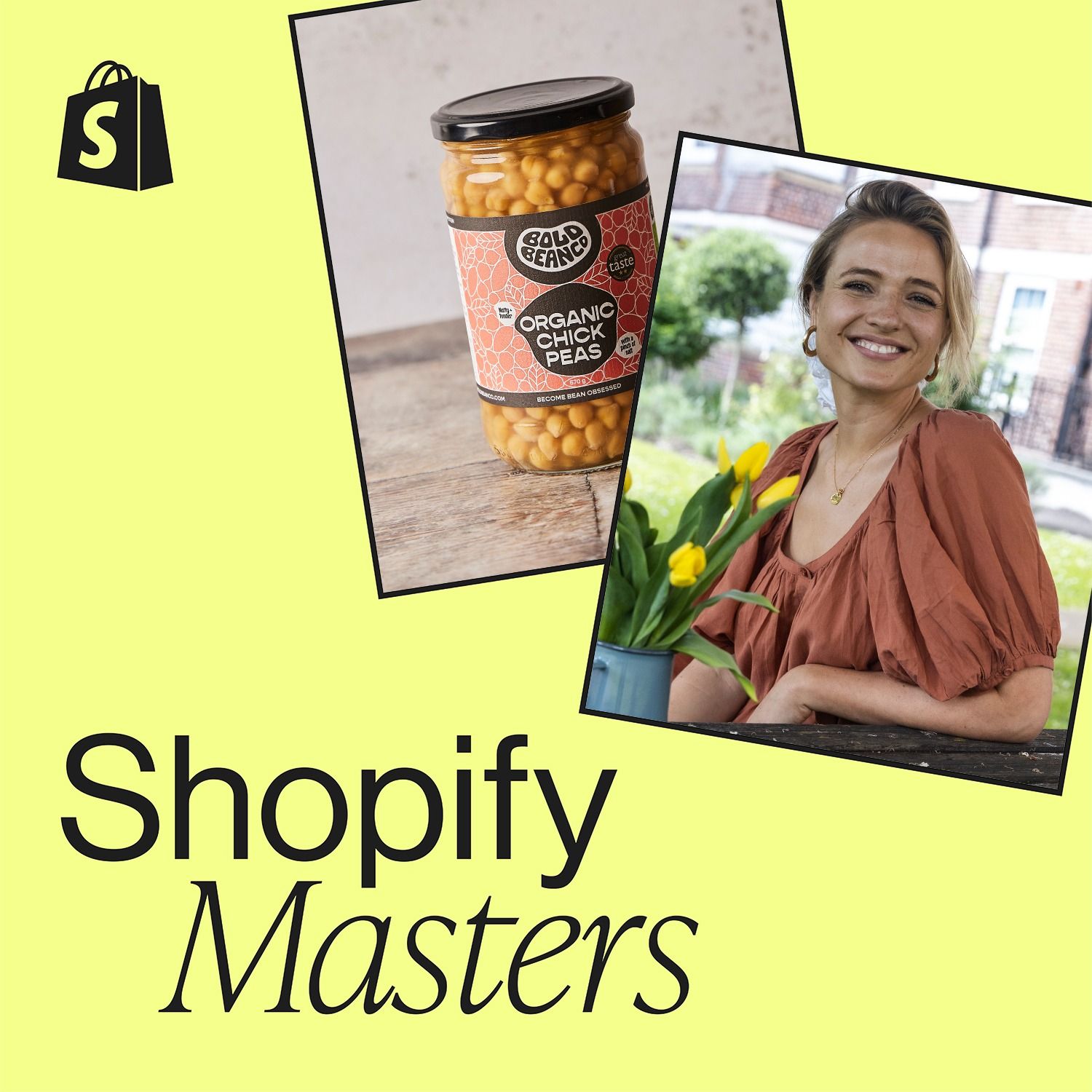
Bold Bean Co. found that creating a premium product in a "forgotten, dull" category like beans was a strategic advantage. The novelty makes consumers talk. People find it entertaining to become obsessed with beans, generating more word-of-mouth than launching yet another premium chocolate brand.
Unlike supplements sold as powders or pills, Groons' gummy bear form factor is socially acceptable and easy to share. This turns customers into distributors of free samples for their friends, creating a powerful, low-cost marketing and growth engine.

Instead of making incremental improvements, fundamentally change the user experience by altering the product's form factor. This creates a new category and avoids direct competition, as Gruuns did by turning greens powder into enjoyable gummies, making the habit easier to stick with.