Get your free personalized podcast brief
We scan new podcasts and send you the top 5 insights daily.
Venture firm 776 uses the visceral internal term "skin rippy" to describe a deal they are so passionate about they want to "rip their skin off." This signals a level of non-consensus conviction that goes beyond standard diligence and serves as a cultural shorthand for a must-do investment.

Related Insights
Many VCs, especially at the seed stage, rely heavily on intuition or "vibes." This methodology is a stark departure from the structured, analytical frameworks common among public market and hedge fund investors, highlighting a significant cultural and process gap within the investment world.

At IVP, even when a partner is passionate about a deal, the firm encourages them to 'sleep on it' after a debate. This deliberate pause allows the partner to process the team's feedback without pressure, often leading to a more rational assessment of their own conviction and preventing investments driven by emotion rather than collective wisdom.

To ensure robust decision-making, Eclipse requires that if a partner feels strongly against a potential investment, they must join the deal team alongside the champions. This forces a direct confrontation of the risks and ensures that by the time an investment is made, all major concerns have been addressed.

The best founders treat their startup not as a job, but as an "affliction"—an unshakable obsession. This deep-seated drive signals to investors the resilience required to overcome the immense challenges of building a company from scratch.

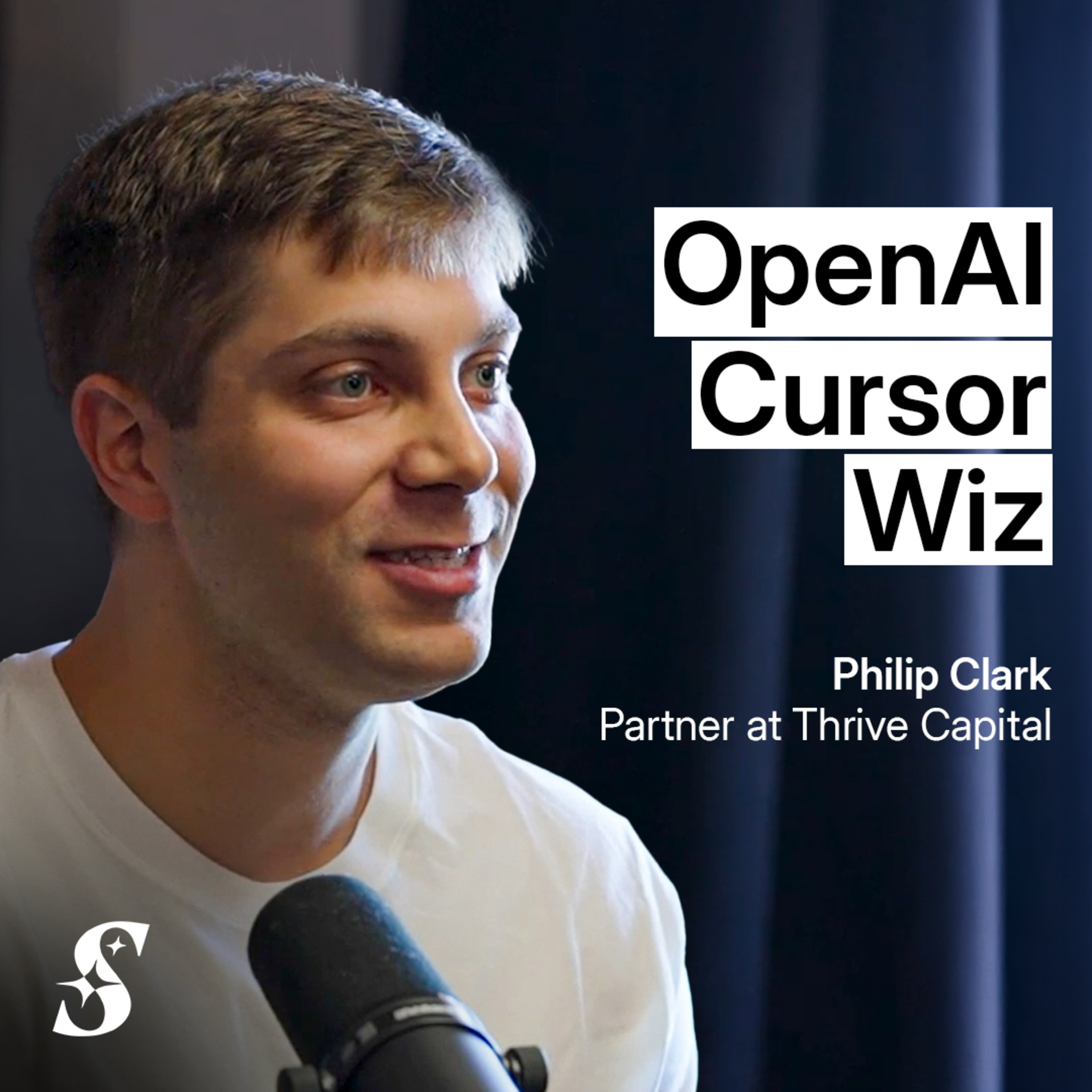
Embodied by their decision to fly into a warzone to close the Wiz deal, Thrive's philosophy is that victory in competitive investments goes to the team with the strongest desire to win. This "leave it all on the field" mentality demonstrates commitment beyond financial terms.
To win allocations, VCs should move beyond product and market discussions to a deeply personal conversation about what irrationally drives a founder. Most VCs don't ask about this, and exploring these core motivations builds a unique relationship that secures a spot in the round.
Pincus looks for an energetic signal in founders he calls 'swagger,' which comes from knowing their product is winning. This authentic confidence, born from undeniable traction, is a more reliable indicator than a specific personality type or a faked persona.

Bessemer's investment process favors individual partner conviction over group consensus. A partner can "pound the table" for a deal (the "gold nugget") without the risk of another partner vetoing it (the "blackball" model). This fosters ownership and bold bets, with performance as the ultimate accountability.

Experienced VCs may transition from rigid analytical frameworks to an intuitive search for outliers. Instead of asking if a business plan 'makes sense,' they look for unusual qualities that challenge their worldview and hint at massive potential.

Sequoia's internal data shows consensus is irrelevant to investment success. A deal with strong advocates (voting '9') and strong detractors (voting '1') is preferable to one where everyone is mildly positive (a '6'). The presence of passionate conviction, even amid dissent, is the critical signal for pursuing outlier returns.
