Get your free personalized podcast brief
We scan new podcasts and send you the top 5 insights daily.
High-density urban living constantly confronts residents with visible wealth disparity, as they see neighbors who are more successful. This constant social comparison can trigger resentment and a sense of inequality, which in turn fuels the appeal of left-leaning policies aimed at redistribution.

Related Insights
The core threat to society and democracy is not political division but economic inequality. A lack of mobility creates a "crisis of hope," particularly in overlooked regions like rural America. This hopelessness leads to anger and irrational behavior that erodes democratic foundations.
Extreme wealth creates a dangerous societal rift not just through inequality, but by allowing the ultra-rich to opt out of public systems. They have their own concierge healthcare, private transportation, and elite schools, making them immune to and ignorant of the struggles faced by the other 99.9%, which fuels populist anger.
Rising calls for socialist policies are not just about wealth disparity, but symptoms of three core failures: unaffordable housing, fear of healthcare-driven bankruptcy, and an education system misaligned with job outcomes. Solving these fundamental problems would alleviate the pressure for radical wealth redistribution far more effectively.
The super-rich lose empathy not necessarily because they are bad people, but because their lifestyle systematically isolates them from common experiences. With private airports, healthcare, and schools, they no longer participate in or understand the struggles of mainstream society. This segregation creates a fundamental disconnect that impacts their worldview and political influence.

A cross-cultural study shows that people are more likely to vote for a policy that hurts the rich, even if it also makes the poor's lives worse. This suggests that resentment toward the wealthy can be a stronger motivator in political decision-making than the desire to improve conditions for the poor.

Historically, financial comparison was contained within socioeconomically similar neighborhoods. Social media removes these geographic and social barriers, constantly exposing individuals to global, hyper-affluent lifestyles. This distorts the perception of 'normal,' making luxury seem common and fueling widespread feelings of financial inadequacy.
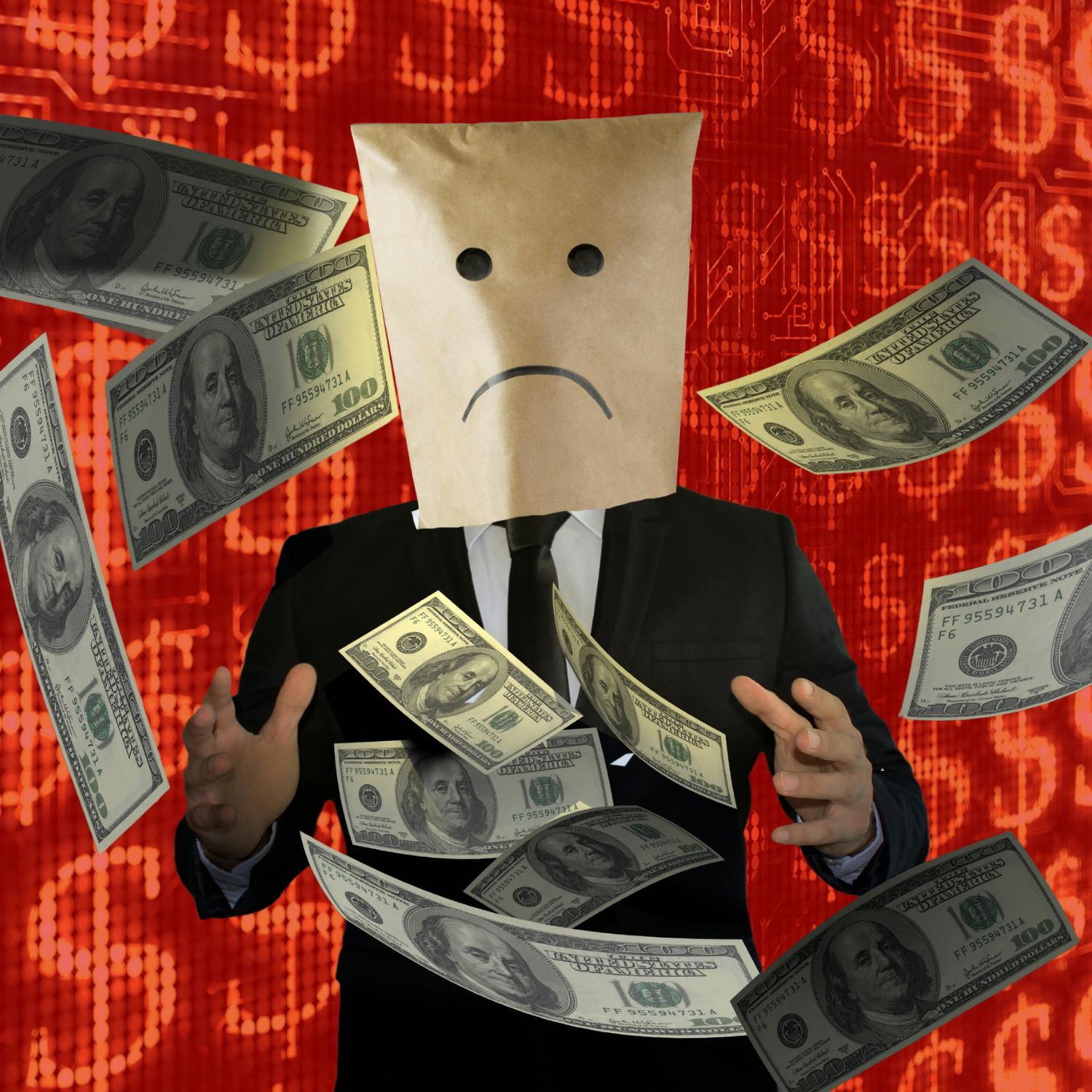
The discomfort felt by those from lower-income backgrounds around the wealthy is not just envy, but a deep-seated frustration. It stems from the belief that those who grew up with money can sympathize but never truly empathize with the constant stress and lack of a safety net that defines life without it.

As governments print money, asset values rise while wages stagnate, dramatically increasing wealth inequality. This economic divergence is the primary source of the bitterness, anxiety, and societal infighting that manifests as extreme political polarization. The problem is economic at its core.

Political alignment is becoming secondary to economic frustration. Voters are responding to candidates who address rising costs, creating unpredictable alliances and fracturing established bases. This dynamic is swamping traditional ideology, forcing both parties to scramble for a new populist message centered on financial well-being.
The psychological engine of populism is the zero-sum fallacy. It frames every issue—trade deficits, immigration, university admissions—as a win-lose scenario. This narrative, where one group's success must come at another's expense, fosters the protectionist and resentful attitudes that populist leaders exploit.