Get your free personalized podcast brief
We scan new podcasts and send you the top 5 insights daily.
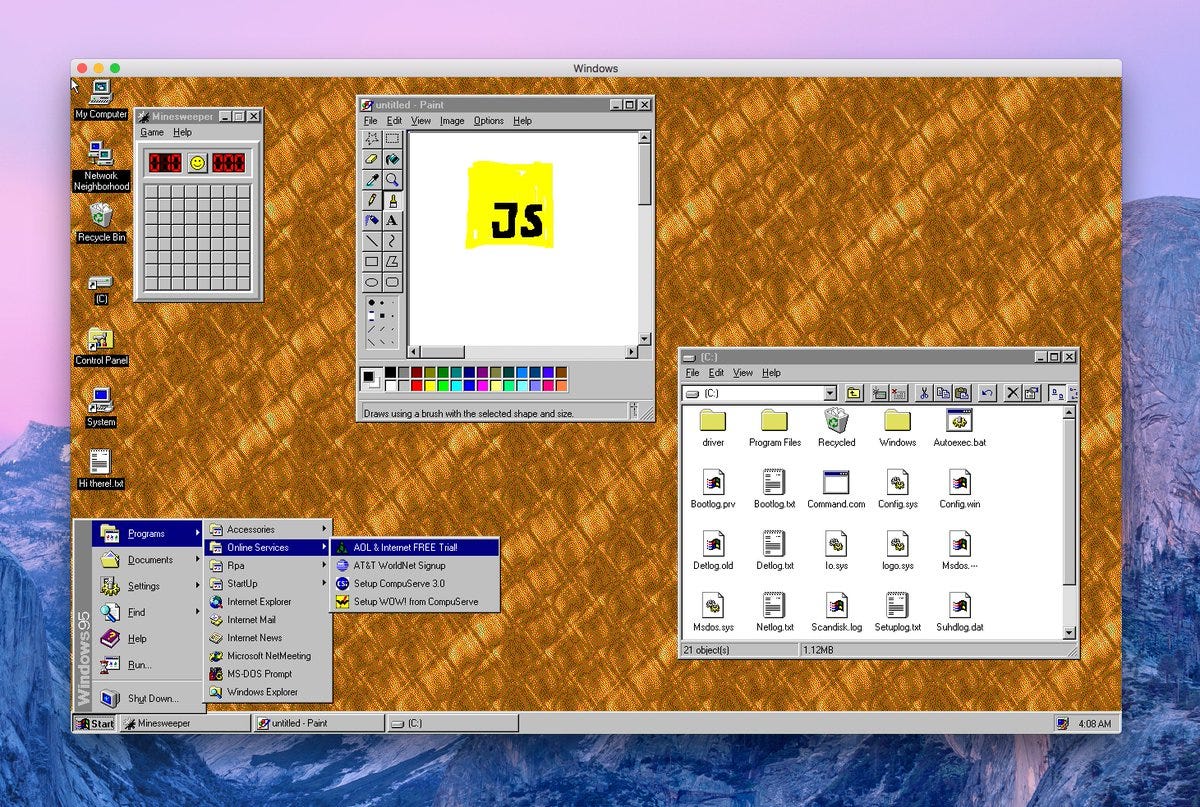
Claude Cowork runs in a lightweight VM on the user's machine. This "subcomputer" concept provides a secure, sandboxed environment where the AI can install tools and operate freely without compromising the host system or requiring complex cloud permissions for every local resource.
Related Insights
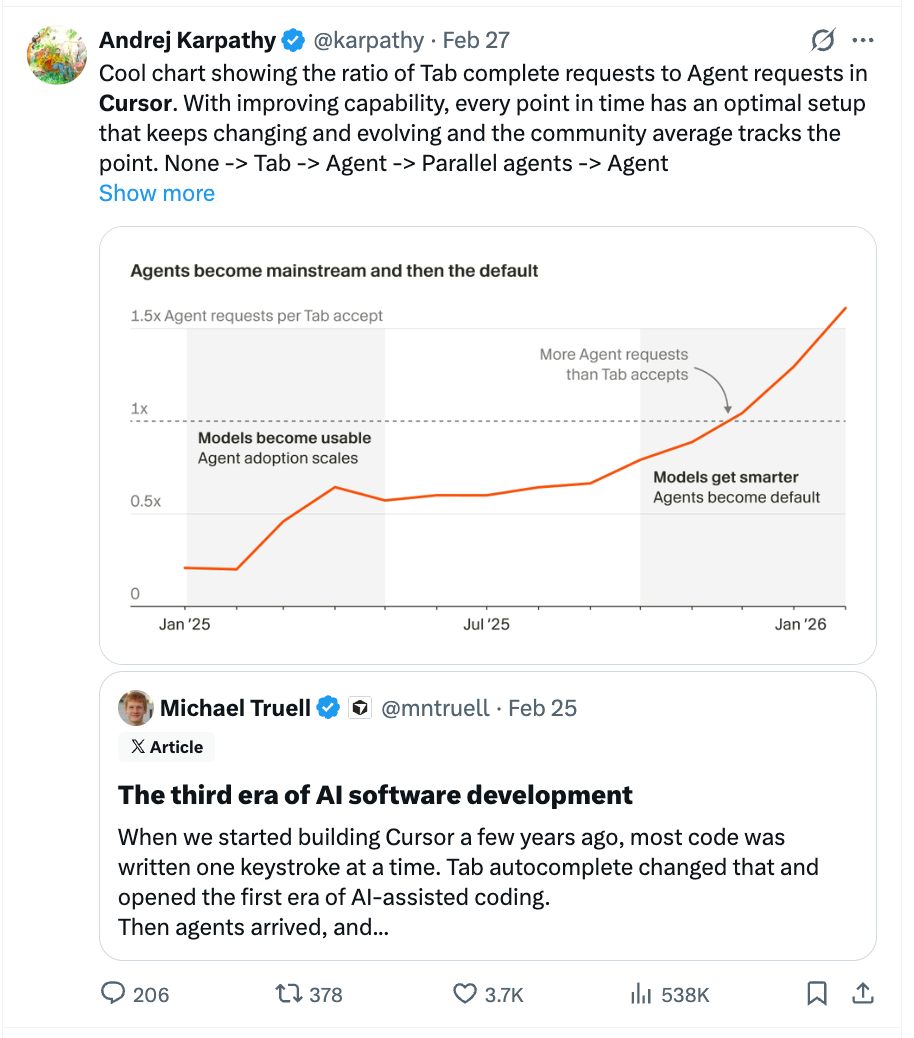
Cursor discovered that agents need more than just code access. Providing a full VM environment—a "brain in a box" where they can see pixels, run code, and use dev tools like a human—was the step-change needed to tackle entire features, not just minor edits.
While cloud hosting for AI agents seems cheap and easy, a local machine like a Mac Mini offers key advantages. It provides direct control over the agent's environment, easy access to local tools, and the ability to observe its actions in real-time, which dramatically accelerates your learning and ability to use it effectively.

To address security concerns, powerful AI agents should be provisioned like new human employees. This means running them in a sandboxed environment on a separate machine, with their own dedicated accounts, API keys, and access tokens, rather than on a personal computer.
AI agents present a UX problem: either grant risky, sweeping permissions or suffer "approval fatigue" by confirming every action. Sandboxing creates a middle ground. The agent can operate autonomously within a secure environment, making it powerful without being dangerous to the host system.
The trend toward cloud-native everything overlooks the power and convenience of the local machine. Providing an AI agent with local access avoids the immense friction of replicating a user's tools and authentication states in the cloud, making the agent far more capable.
A key advantage of Claude Cowork is its ability to run locally and access files directly on a user's computer. This provides the AI with vastly more context than is possible with cloud tools that have limited file uploads, enabling complex analysis of large, local datasets like hundreds of documents.

The true capability of AI agents comes not just from the language model, but from having a full computing environment at their disposal. Vercel's internal data agent, D0, succeeds because it can write and run Python code, query Snowflake, and search the web within a sandbox environment.
Cowork originated from observing non-coders using the command-line tool, Claude Code, for general knowledge work. This prompted Anthropic to build a more accessible version with a GUI and safety guardrails, running the core agent in a virtual machine.
A new wave of AI agents from companies like Manus and Adaptive are launching with a core "My Computer" feature. This signals a critical realization: to be truly useful, agents must move beyond cloud-only environments and gain access to local files and applications on a user's personal machine.

Anthropic has released Claude CoWork, an agentic tool that automates office tasks by directly interacting with local computer files. It's effectively a "no-code" version of their developer tool, signaling the imminent arrival of AI agents in mainstream workflows, though Anthropic explicitly warns users about potential security risks.