Get your free personalized podcast brief
We scan new podcasts and send you the top 5 insights daily.
Human nature leads investors to fearfully pull back during crises, missing the best buying opportunities. Howard Marks explains that closed-end funds combat this by contractually obligating clients to provide capital when it's called. This structural mechanism forces discipline, ensuring capital is deployed into bargains at the point of maximum pessimism.

Related Insights
Offering daily liquidity while pursuing a multi-year investment strategy creates a dangerous duration mismatch. When investors inevitably demand their cash during a downturn, the long-term thesis is shattered, forcing fire sales and destroying value. A fund's liquidity terms must align with its investment horizon.

In venture capital, the greatest danger isn't investing at high valuations during a boom; it's ceasing to invest during a bust. The psychological pressure to stop when markets are negative is immense, but the best VCs maintain a disciplined, mechanical pace of investment to ensure they are active at the bottom.
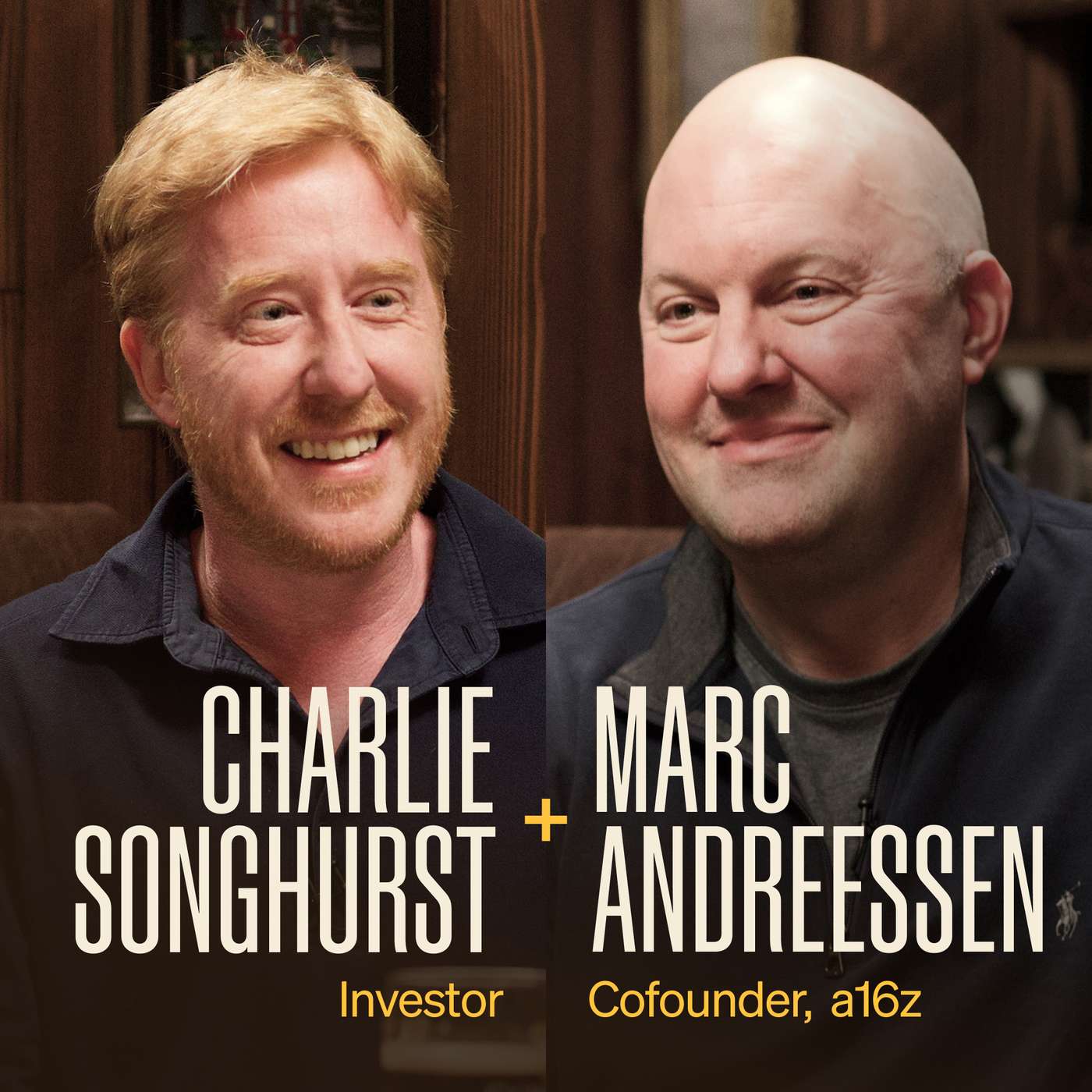
Despite his reputation, Marks made just five significant macro calls in his career. These were not based on economic forecasts but on 'taking the temperature' of investor behavior when it reached extremes of euphoria or despair. This highlights the rarity of true, high-probability moments to make major portfolio shifts.

A key benefit of alternative investments is that their illiquidity prevents investors from making emotional, panicked decisions during market downturns. This structure forces them to "stay the course," avoiding the common pitfall of selling at the bottom.

Structuring deals with contractually committed reserve capital from LPs provides a safety net for downturns and ready capital for unforeseen growth opportunities. This gives confidence to lenders, management, and sellers, and ensures the sponsor's pro-rata participation aligns all parties.

Pension funds use a fixed income allocation to enforce rebalancing discipline. When equities fall, the fixed income portion grows relatively, forcing a sale of fixed income to buy cheaper equities. This systematically forces investors to buy at the bottom and sell at the top.

Fears of a systemic private credit collapse are mitigated by a key structural feature: the manager's ability to cap redemptions at 5%. This prevents a forced mass liquidation of assets to meet redemption requests, containing the liquidity crisis to a small part of the market and averting a downward price spiral.

Short-term performance pressure forces fund managers to sell underperforming stocks, creating a self-fulfilling prophecy of price declines. Investors with permanent capital have a structural advantage, as they can hold through this volatility and even buy into the weakness created by others' behavioral constraints.
The ultimate advantage in asset management, used by Warren Buffett and Bill Ackman, is 'permanent capital.' This structure, often a public company, prevents investors from withdrawing funds during market downturns. It eliminates the existential risk of forced selling that plagues traditional hedge funds.

In the current late-cycle, frothy environment, maintaining investment discipline is paramount. Oaktree, guided by Howard Marks' philosophy, is intentionally cautious and passing on the majority of deals presented. This discipline is crucial for avoiding the "worst deals done in the best of times" and preserving capital for future dislocations.
