Get your free personalized podcast brief
We scan new podcasts and send you the top 5 insights daily.
Paul supports building a new White House ballroom but insists on using privately raised funds, not taxpayer money. He acknowledges concerns about donor influence but argues that any explicit quid pro quo is already illegal, framing private funding as a fiscally responsible choice despite potential transparency issues.

Related Insights
Despite condemning a joke by Jimmy Kimmel about the First Lady, Senator Paul staunchly opposes government retaliation like revoking a network's license. He argues for a non-partisan application of the First Amendment, warning that using government power to silence speech sets a dangerous precedent that can be turned against any political group.
As described by Microsoft's President, corporate political donations are the "entry ticket" to the retreats and dinners where politicians spend their time. The check doesn't buy a specific policy outcome but provides the consistent access needed to build influential relationships.

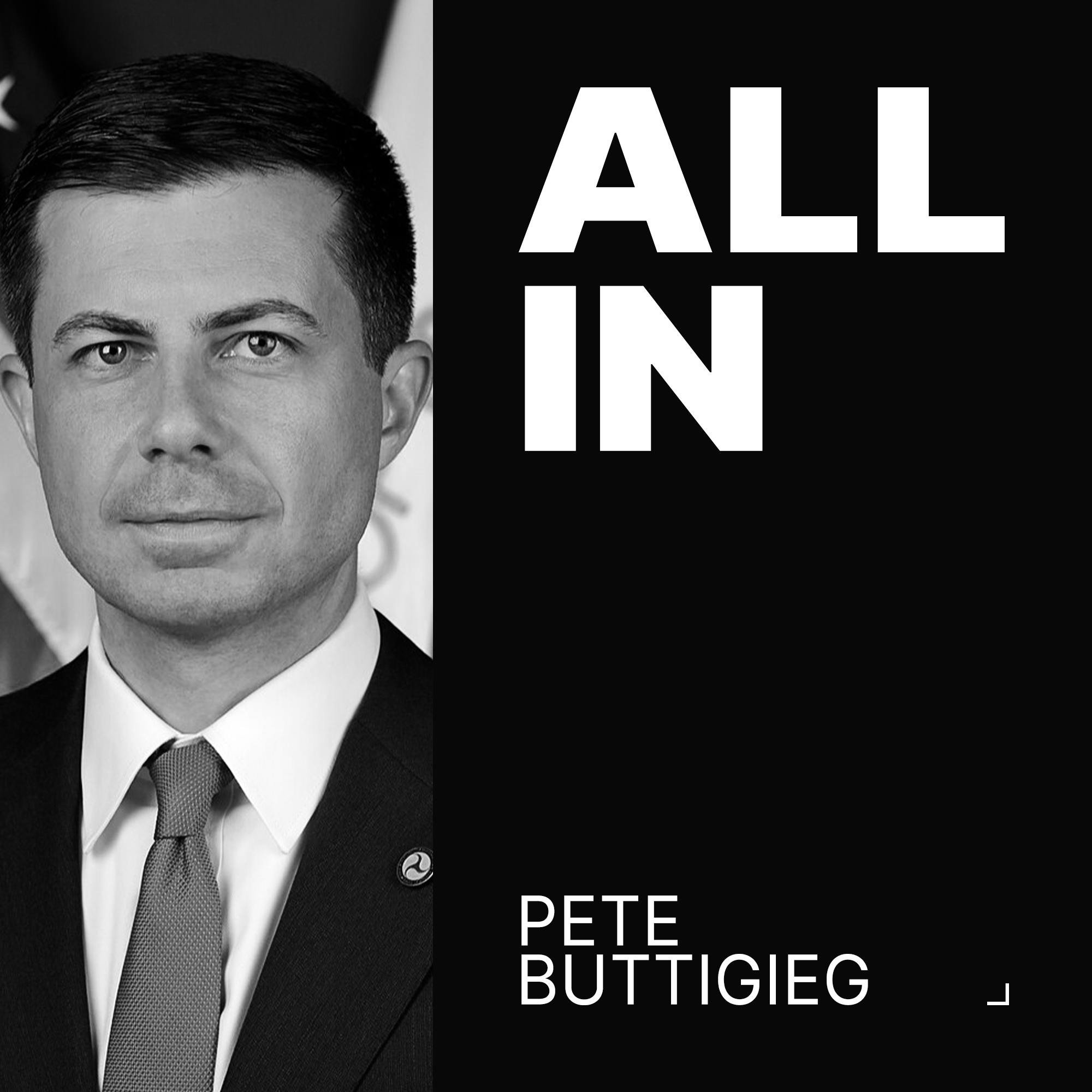
Buttigieg argues the government's essential function is investing in foundational, high-risk ideas like the internet or basic research. These ventures have massive potential but don't offer the short-term returns or clear monetization paths required by the private sector due to market failures.
Donald Trump's "hotel guy" mindset was revealed when he discussed adding a chandelier to the Oval Office because "very important people come in here," like NATO's Secretary General. This suggests he sees himself as a proprietor hosting guests rather than the central figure of American power.

Senator Booker argues that political corruption has evolved. A single wealthy individual can now threaten to fund a multi-million dollar primary campaign against a sitting senator via a Super PAC, effectively buying compliance and overpowering the will of constituents.

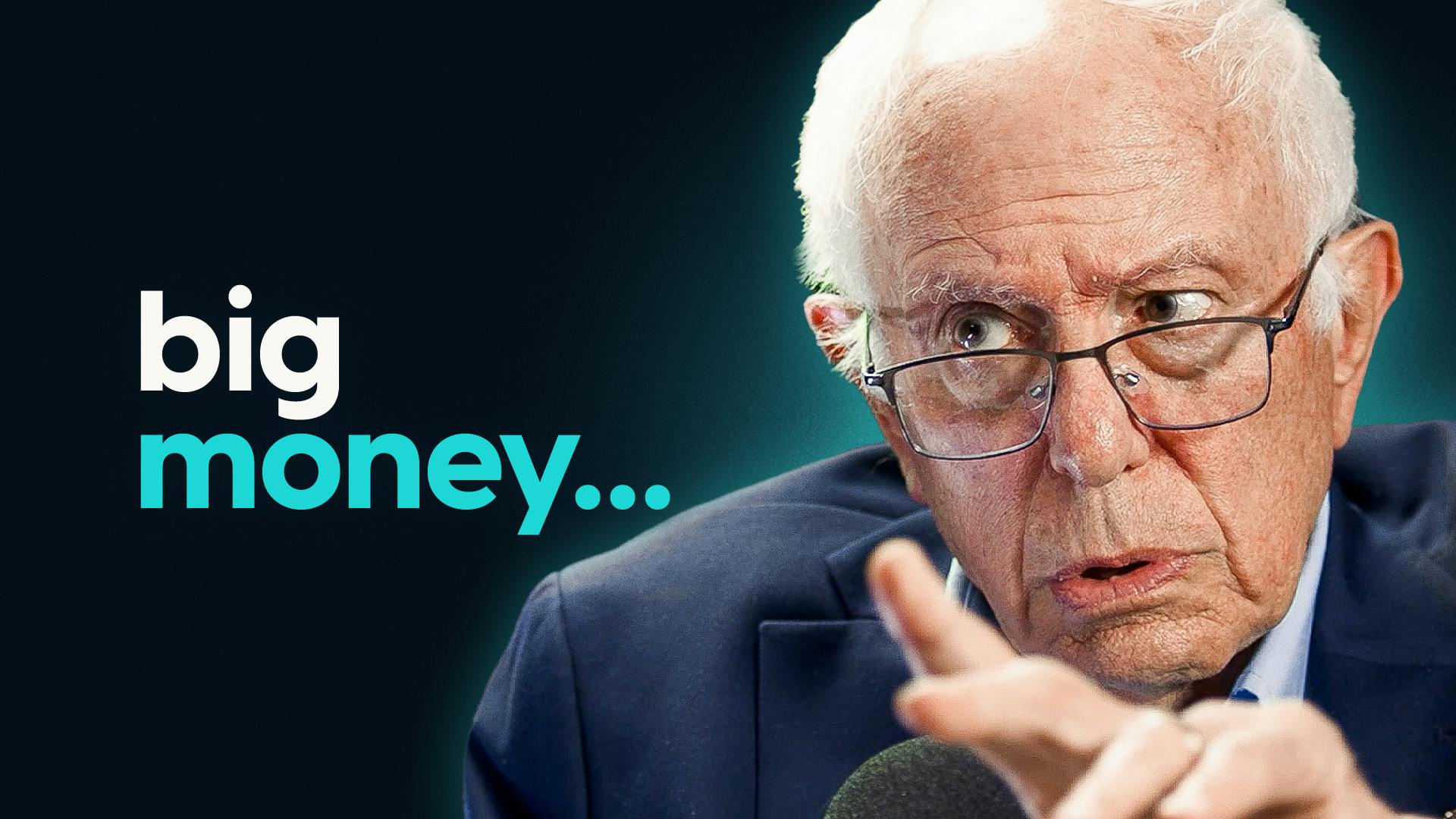
To combat a 'corrupt campaign finance system' where billionaires use Super PACs to 'buy elections,' Sanders proposes a move to public funding. This system would grant qualified candidates equal funding, leveling the playing field and making politicians accountable to voters instead of wealthy donors.
The extreme and open nature of corruption—moving from small favors to nine-figure no-bid contracts for friends and family—violates the implicit rules of populist graft. This brazenness is unsustainable and is likely to become a key weapon in an emerging GOP civil war.

When challenged about the disconnect between political debates and citizens' economic hardships, Senator Rand Paul agrees that affordability is the public's primary concern. He acknowledges the irrelevance of insider debates and pivots to connect his signature issues—opposing war and national debt—to relieving financial pressure on everyday Americans.
Shkreli counters the theory of elite control, claiming politicians and wealthy donors both believe they are outsmarting the other. The politician gets money while the donor receives the illusion of influence, but no actual policy is swayed, making large donations a waste of time.

Rubenstein avoids political donations to prevent being blamed for politicians' actions, avoid accusations of buying access, and maintain the ability to bring Democrats and Republicans together for high-level initiatives.
