Get your free personalized podcast brief
We scan new podcasts and send you the top 5 insights daily.
Senator Booker argues that political corruption has evolved. A single wealthy individual can now threaten to fund a multi-million dollar primary campaign against a sitting senator via a Super PAC, effectively buying compliance and overpowering the will of constituents.

Related Insights
Focusing anger on one group's effective use of lobbying (e.g., the "Israel lobby") is a flawed approach. The real issue is the system that allows money in politics. Simply removing one player creates a power vacuum that another wealthy individual or group will immediately fill.

The core structural threat to political incumbents is now from primary challengers, not the general election. This forces candidates to appeal to their party's most extreme base rather than the median voter, creating a system that structurally rewards polarization and discourages broad-based governance.

Since the Citizens United ruling, billionaire spending in federal elections has jumped from under 1% to 19% of all donations. This funding heavily favors Republicans, with every dollar to a Democrat matched by five to a Republican, concentrating immense political influence within a small, wealthy cohort.

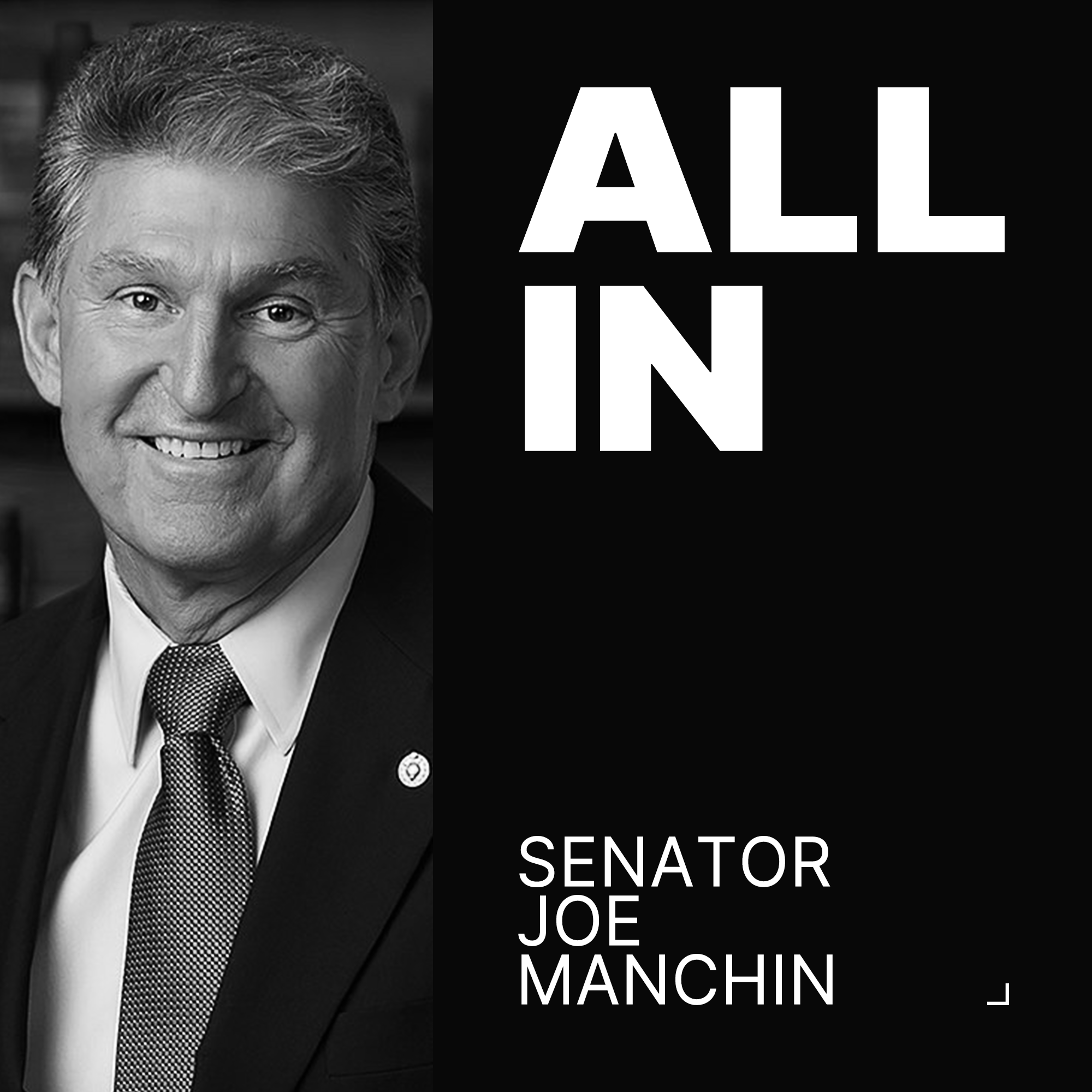
During the Build Back Better debate, Manchin alleges he faced an organized pressure campaign, not just from voters. Protestors outside his residence were reportedly paid hourly, and he believes White House Chief of Staff Ron Klain orchestrated the effort to push him left.
While economic policies like raising the minimum wage have broad benefits, campaign finance reform like overturning Citizens United is more fundamental. It addresses the root cause of political gridlock and corporate influence, which prevents many other positive social and economic changes from being implemented.
Senator Cory Booker describes a "political industrial complex" where actors on the political fringes benefit from constant, sclerotic conflict. This dynamic prevents the 75% of Americans who agree on major issues from seeing their will translated into policy, as gridlock is profitable for some.
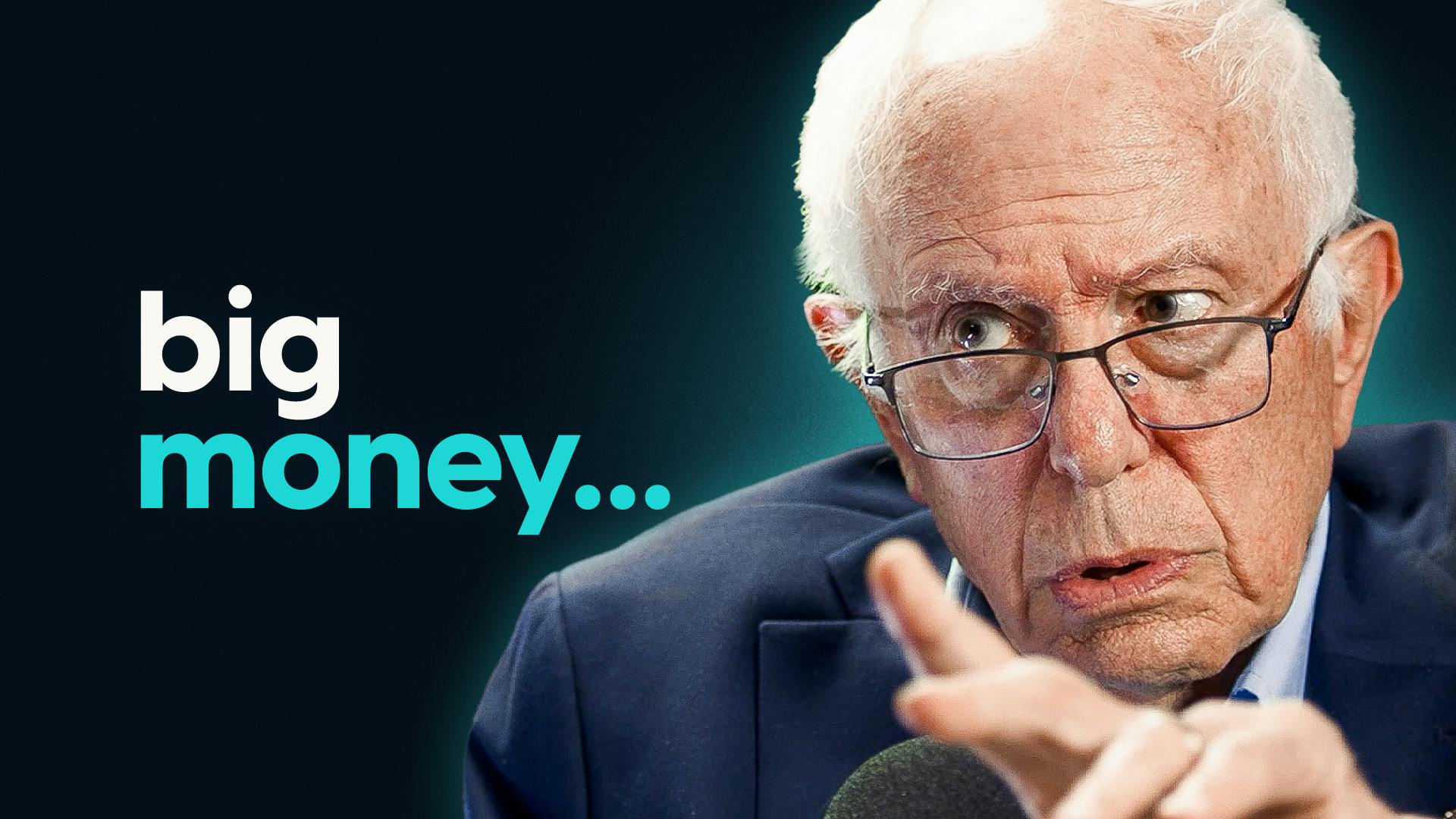
To combat a 'corrupt campaign finance system' where billionaires use Super PACs to 'buy elections,' Sanders proposes a move to public funding. This system would grant qualified candidates equal funding, leveling the playing field and making politicians accountable to voters instead of wealthy donors.
An anti-regulation super PAC's attack ads targeting New York State Assembly member Alex Boris are ironically helping his campaign. The ads raise his name recognition and highlight his popular stance on regulating AI, leading to a surge in donations and volunteers.

Shkreli counters the theory of elite control, claiming politicians and wealthy donors both believe they are outsmarting the other. The politician gets money while the donor receives the illusion of influence, but no actual policy is swayed, making large donations a waste of time.

Curtis Sliwa reveals a direct bribery attempt by billionaires offering him $10 million in cash to drop out of the New York City mayoral race. This highlights the extreme, often criminal, lengths to which wealthy interests will go to influence even local political outcomes and silence populist candidates.